



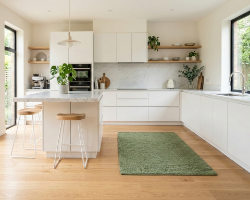

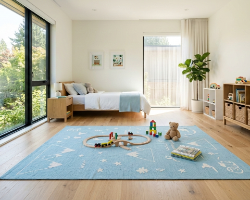


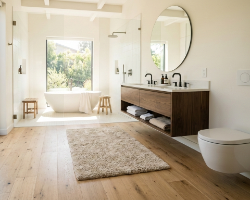










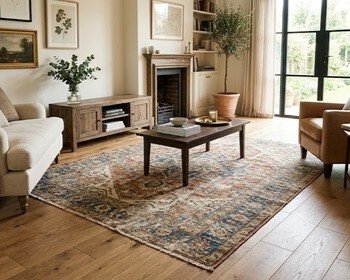








Jute rug shedding is defined as the natural release of loose fibers from the rug’s surface during its break-in period. Every jute rug sheds. The process is built into the fiber itself, not a sign of poor quality. Shedding typically lasts 3–6 months before tapering off significantly, and standard manufacturer warranties exclude it from defect coverage because it is considered a normal maintenance reality. Knowing this upfront saves homeowners from unnecessary frustration and helps set realistic expectations from day one.
Why does jute rug shedding happen?
Jute is a coarse, plant-based fiber harvested from the Corchorus plant. The fibers are spun into yarn and woven into rugs, but the weaving process leaves short, loose fiber ends throughout the structure. Those loose ends work their way free under foot traffic, creating the fluffy debris you find on your floors.
Several factors control how much a rug sheds and for how long:
- Weave tightness. Tighter weaves resist shedding longer because fibers have less room to migrate. Looser constructions like boucle weaves shed more heavily in the first few months.
- Fiber quality. Longer, cleaner jute fibers produce less debris than shorter, coarser cuts. Higher-grade jute sheds for a shorter period overall.
- Placement and traffic. Entryways and shoe-wearing zones accelerate the break-in process, which can mean more initial shedding but a faster transition to stability.
- Humidity and moisture. Moisture increases fiber brittleness, causing fibers to snap and shed at a higher rate.
The key distinction every homeowner needs to understand: shedding is a characteristic, not a defect. A rug that sheds for three months and then stabilizes is performing exactly as designed. A rug with structural damage, broken pile, or bald patches is a different problem entirely, and that would fall under warranty review.
Pro Tip: If your rug is still shedding heavily after six months, check your cleaning method first. A beater bar vacuum attachment is likely the culprit, not the rug itself.

How to stop jute rug shedding: step-by-step methods
You cannot stop shedding completely during the break-in phase, but you can reduce it significantly and shorten the timeline. These methods work together, and using all of them produces the best results.
-
Vacuum with suction only. Suction-only vacuuming and rug pads are the two most effective tools for managing fiber loss. Turn off the beater bar or rotating brush on your vacuum entirely. Those attachments grab and pull fibers out aggressively, making shedding worse with every pass.
-
Use a rug pad. A quality rug pad anchors the rug to the floor and reduces the micro-movement that loosens fibers over time. It also protects the rug’s backing from abrasion against hard floors.
-
Rotate the rug every 3–4 months. Regular rotation distributes wear evenly, preventing one section from shedding faster than the rest. This is especially useful in rooms with directional foot traffic, like hallways.
-
Limit heavy use in the first 30 days. The initial break-in period is when fiber loss peaks. Placing the rug in a lower-traffic area for the first month, then moving it to its permanent spot, reduces the volume of loose fibers dramatically.
-
Control humidity. Keep indoor humidity between 40% and 60%. Dry air makes jute fibers brittle. Damp air causes them to absorb moisture and weaken. Both conditions accelerate shedding.
-
Avoid aggressive spot cleaning. Scrubbing a jute rug with a wet cloth pulls fibers loose and can cause permanent damage. Blot spills immediately with a dry cloth instead.
The table below shows which methods have the most impact during each phase of the rug’s life:
| Phase | Primary concern | Best method |
|---|---|---|
| Months 1–2 | Peak fiber loss | Suction-only vacuum, rug pad |
| Months 3–4 | Moderate shedding | Rotation, humidity control |
| Months 5–6 | Tapering off | Light vacuuming, dry spot cleaning |
| After 6 months | Maintenance | Routine care, professional cleaning |

Pro Tip: Run your vacuum over the rug in the direction of the weave, not against it. Going with the grain pulls fewer fibers loose and keeps the surface looking even.
What maintenance routines keep jute rugs looking their best?
Reducing fiber loss is only part of the picture. Long-term jute rug care tips focus on preserving color, texture, and structural integrity well beyond the break-in phase.
Consistent care habits make the biggest difference:
- Vacuum weekly. Regular light vacuuming prevents dirt from grinding into the weave and weakening fibers from below. Use low suction and no brush attachments.
- Blot spills immediately. Jute absorbs moisture fast. A spill left for more than a few minutes can cause staining, mold, or fiber rot. Use a clean, dry cloth and press down firmly without rubbing.
- Avoid wet cleaning at home. Water is jute’s biggest enemy. Home steam cleaners and wet shampoo methods saturate the backing and cause irreversible damage.
- Schedule professional cleaning carefully. Professional deep cleaning prolongs rug lifespan but must be done by a specialist who understands natural fiber vulnerabilities. Ask specifically about dry or low-moisture cleaning methods.
- Place rugs away from direct sunlight. UV exposure fades jute’s natural tan color and makes fibers brittle over time. Use window coverings or rotate the rug seasonally to prevent uneven fading.
- Keep rugs out of bathrooms and kitchens. These rooms have high moisture levels that accelerate fiber breakdown. Jute performs best in dry, well-ventilated spaces like living rooms, dining rooms, and bedrooms.
For homeowners who want a deeper look at rug preservation techniques, the principles that apply to delicate antique rugs translate well to natural fiber care.
Which jute rug types shed less?
Not all jute rugs shed at the same rate. The construction method and fiber blend determine how much loose material you will deal with and for how long.
Flat-woven vs. boucle weave
Flat-woven jute rugs have a tight, low-pile surface. Fibers are locked in place more firmly, which means less shedding from the start. They also feel firmer underfoot, which suits entryways, dining rooms, and high-traffic corridors well.
Boucle weave jute rugs have a looped, textured surface that looks richer and feels softer. The loops create more exposed fiber ends, so boucle styles shed more heavily during the break-in period. The payoff is a warmer, more tactile surface that works beautifully in living rooms and bedrooms.
Jute-cotton blends
Jute-cotton blends combine jute’s durability with cotton’s softer, more stable fiber structure. The cotton content reduces overall shedding because cotton fibers are shorter and bind more tightly into the weave. These blends also feel softer underfoot, making them a better fit for barefoot living areas where pure jute can feel scratchy.
| Rug type | Shedding level | Best placement | Texture |
|---|---|---|---|
| Flat-woven jute | Low to moderate | Entryways, dining rooms | Firm, textured |
| Boucle jute | Moderate to high | Living rooms, bedrooms | Soft, looped |
| Jute-cotton blend | Low | Bedrooms, family rooms | Soft, smooth |
| Washable alternatives | Minimal | Any room, allergy-prone homes | Varies |
For homeowners with allergies or young children, washable rug alternatives offer a low-maintenance option with minimal fiber loss. These rugs skip the break-in phase entirely and clean easily in a standard washing machine.
Key Takeaways
Jute rug shedding is a normal, time-limited process that responds directly to vacuuming method, rug pad use, rotation, and humidity control.
| Point | Details |
|---|---|
| Shedding is normal | Fiber loss lasts 3–6 months and is excluded from standard warranty coverage. |
| Vacuum method matters most | Use suction-only settings and never run a beater bar over a jute rug. |
| Rug pads reduce fiber loss | A pad anchors the rug and limits the micro-movement that loosens fibers. |
| Weave type affects shedding | Flat-woven jute sheds less than boucle; jute-cotton blends shed the least. |
| Moisture is the main threat | Keep humidity between 40% and 60% and avoid all wet cleaning at home. |
What I’ve learned from living with jute rugs
The most common complaint I hear from homeowners is that their jute rug is “falling apart.” In almost every case, the rug is fine. The owner is vacuuming with a beater bar and placing the rug in a humid room. Two changes fix the problem completely.
What surprises people most is that placement context matters more than rug quality when it comes to shedding. A premium jute rug in a damp bathroom will shed more than a budget flat-woven jute in a dry living room. The fiber does not care about its price tag. It responds to its environment.
The other thing I tell people: stop expecting jute to behave like wool or synthetic fiber. Jute is a plant. It has a break-in period, it dislikes moisture, and it rewards patience. Homeowners who understand that tend to love their jute rugs for years. Those who fight the natural process end up frustrated within weeks.
For homes with pets or small children, I lean toward jute-cotton blends or flat-woven styles placed in lower-traffic zones during the first two months. The shedding still happens, but it is manageable. And once the break-in phase ends, jute is one of the most durable, attractive, and eco-friendly flooring options available at any price point.
— Kian
Jute rugs and natural fiber care at Rugsonlinemarket
Rugsonlinemarket carries a curated selection of natural fiber rugs, including jute styles, jute-cotton blends, and low-shed alternatives suited for every room in your home.

Whether you are shopping for a flat-woven entryway rug or a softer blend for the bedroom, the full rug collection includes options across sizes, weaves, and price points. For homeowners who want to skip the shedding phase entirely, the best washable alternatives offer easy care with no break-in period. Rugsonlinemarket also offers professional rug services for cleaning and maintenance, backed by free shipping on orders over $300 and hassle-free 30-day returns.
FAQ
Do jute rugs always shed?
Yes. Shedding is an inherent characteristic of natural jute fiber and occurs in every jute rug during the break-in period. It typically tapers off after 3–6 months.
How do I stop jute rug shedding fast?
Switch to a suction-only vacuum setting, add a rug pad underneath, and limit heavy foot traffic for the first 30 days. These three steps reduce shedding faster than any other approach.
Is jute rug shedding covered by warranty?
No. Standard manufacturer warranties exclude shedding because it is classified as a normal maintenance characteristic, not a product defect.
Can moisture make jute rug shedding worse?
Yes. Humidity and direct moisture exposure increase fiber brittleness and accelerate shedding. Keep indoor humidity between 40% and 60% and avoid wet cleaning methods at home.
Which jute rug type sheds the least?
Flat-woven jute rugs and jute-cotton blends shed the least. Boucle weave styles shed more due to their looped construction, though shedding still tapers off after the break-in period.
