

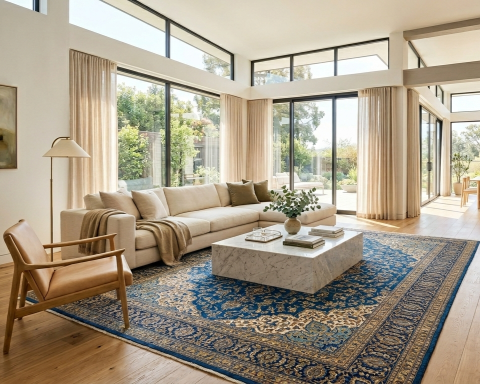
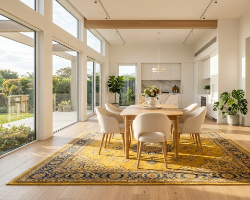
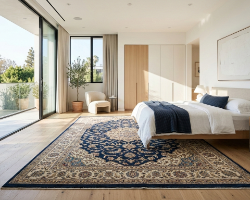
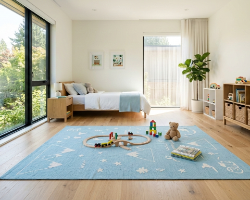
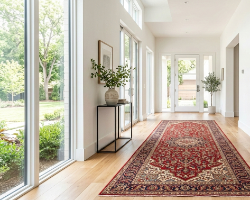
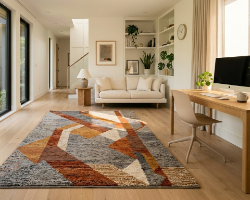
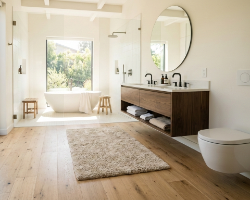





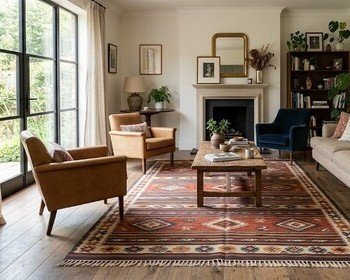
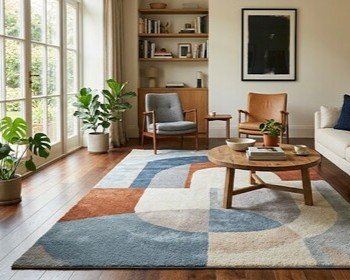

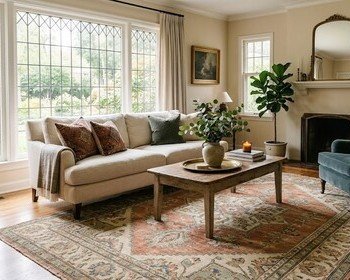
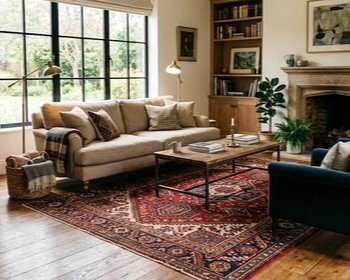
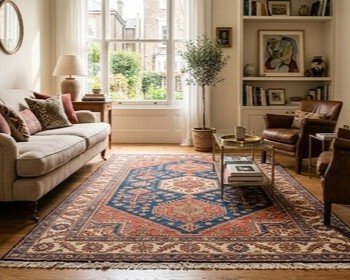

For most shoppers, Rugsonlinemarket is the best all-around place to buy a quality area rug online: it covers everything from hand-knotted Persian wool to washable synthetics, with free shipping on orders over $300, 30-day returns, and product pages that actually tell you what you’re buying. But the right store depends on what you need, and editorial roundups consistently show that matching a retailer to your use-case beats chasing a single “best” label.
Here’s the short version:
- Best all-around: Rugsonlinemarket (wool, silk, Persian, washable; free shipping over $300; 30-day returns)
- Best for luxury/heirloom: The Rug Company, STARK Carpet, abc carpet & home, Mansour, New Moon
- Best for washable/high-traffic: Rugs.com, RugsUSA, Loloi, Ernesta, Beni Rugs
- Best for budget/variety: Wayfair, AllModern, Amazon, Rugs USA, West Elm
- Best for vintage/antique: Chairish, 1stDibs, The Rush House, Etsy
- Best for custom/made-to-order: The Rug Company, Armadillo, Minna, Salam Hello, Cold Picnic
- Best for quick ship: West Elm, CB2, Article, Neighbor, Schoolhouse, Rejuvenation
Return windows and shipping terms often matter more than a $50 price difference. Rugsonlinemarket’s 30-day hassle-free return policy puts it ahead of many competitors who restrict returns on oversized orders or charge return freight.
Table of Contents
- What are the best online rug stores for your use-case?
- Our top picks: which store fits your situation?
- How do you choose the right online rug store?
- Why construction and material determine a rug’s value
- Key Takeaways
- What I actually look for when buying a rug online
- Rugsonlinemarket: the best place to start your rug search
- Sources and further reading
What are the best online rug stores for your use-case?
GQ’s rug roundups and similar editorial lists organize recommendations by use-case rather than a single winner, and that structure reflects how real shoppers actually decide. The table below maps the six main retailer categories to the dimensions that matter most.
| Store / Category | Best for | Price range | Primary materials / construction | Selection breadth | Shipping & lead time | Return policy | Custom options | Trust signals |
|---|---|---|---|---|---|---|---|---|
| Rugsonlinemarket | All-around: style, quality, policies | Mid–luxury | Wool, silk, cotton; hand-knotted & tufted | Broad: Persian, modern, washable, Moroccan, Kilim | Free over $300; standard lead times | 30-day returns | Limited | Editorial guides, 100% feedback guarantee |
| Washable-rug specialists | High-traffic, families, pets | Budget–mid | Synthetic, polypropylene; machine-made | Focused on washable styles | Fast; often in-stock | Varies (often 30 days) | Rare | Proprietary wash systems |
| Luxury/designer houses | Heirloom, statement pieces | Luxury | Hand-knotted wool, silk, natural fibers | Curated, limited | Longer lead times | Strict; often final sale | Yes | Provenance, designer credentials |
| Marketplace/dept. stores | Variety, frequent sales | Budget–mid | Mixed; machine-made dominant | Very broad | Fast for in-stock | Varies widely | Rare | Volume reviews, brand recognition |
| Vintage/antique brokers | One-of-a-kind, collectors | Mid–luxury | Handmade; wool, silk, cotton | Unique inventory | Variable | Often final sale | No | Provenance docs, condition reports |
| Custom/made-to-order workshops | Exact size, color, material | Mid–luxury | Hand-knotted, hand-tufted, natural fibers | Made to spec | 8–20+ weeks | Limited | Yes | Maker communication, samples |
How to read this table: “Budget” means roughly under $200 for a 5×8; “mid” is $200–$800; “luxury” is $800 and up. Trust signals are the concrete indicators a store uses to back its quality claims, not just star ratings.

Category-level comparisons give you a starting framework. The per-store profiles below get more specific about which names within each category are worth your time.
Our top picks: which store fits your situation?
Rugsonlinemarket — best all-around
Rugsonlinemarket earns the all-around recommendation because it doesn’t force you to choose between style and practicality. The catalog spans traditional Persian and Oushak rugs in hand-knotted wool and silk, Moroccan and Gabbeh styles, all the way to washable and distressed options for harder-working rooms. Product pages include material tags, construction details, and size guides, which is exactly what The Spruce’s testing of 35 retailers flagged as the primary quality signal to look for. Free shipping kicks in at $300, returns are accepted within 30 days, and the editorial guides on the site help you compare categories before you commit.

Strength: Breadth of premium materials and transparent product pages. Compromise: Not a specialist for ultra-high-end custom commissions.
Washable-rug specialists
Rugs.com, RugsUSA, Loloi, and Ernesta are the names that come up most often for washable and low-maintenance rugs. These stores focus on machine-washable constructions, often with a two-part rug-and-pad system that handles spills without a trip to the dry cleaner. Prices stay mostly in the budget-to-mid range, shipping is fast for in-stock items, and the selection skews toward contemporary and transitional patterns. If you have kids, pets, or a mudroom that sees real use, this category is the practical call. For a room-by-room breakdown of where washable rugs make sense, this guide covers the specifics.
Strength: Easy care and fast delivery. Compromise: Fewer natural-fiber or heirloom-quality options.
Luxury and designer houses
The Rug Company, STARK Carpet, abc carpet & home, Mansour, and New Moon occupy the top of the market. These are the stores where a single rug can represent a genuine long-term investment, and the price reflects hand-knotted construction, natural fibers, and documented provenance. Lead times run longer, return policies are stricter, and you’ll often need to request samples or visit a showroom. Nordic Knots, Jonathan Adler, Soho Home, and Design Within Reach sit in a slightly more accessible luxury tier, with cleaner contemporary aesthetics and somewhat shorter lead times.
Strength: Longevity and provenance. Compromise: Higher price and less flexibility on returns.
Vintage and antique brokers
Chairish, 1stDibs, The Rush House, and Etsy are the main channels for one-of-a-kind vintage pieces. Condition reports and provenance documentation are the trust signals that separate a legitimate vintage find from an overpriced reproduction. For high-priced antique rugs, missing provenance is a genuine red flag. Etsy is more accessible price-wise but requires more due diligence on individual sellers. Chairish and 1stDibs vet their sellers more formally and typically provide better documentation.
Strength: Unique pieces you won’t find anywhere else. Compromise: Often final sale; condition varies.
Marketplace and department stores
Wayfair, AllModern, Amazon, West Elm, CB2, Serena & Lily, Article, Neighbor, Schoolhouse, Rejuvenation, SSENSE, and Thuma all fall into this category in different ways. Wayfair and AllModern offer the widest inventory at the lowest prices, with fast shipping on in-stock items. West Elm and CB2 sit a step up in design quality and price. Serena & Lily and Schoolhouse lean coastal and classic respectively. Return policies vary significantly across this group, so check before you order anything oversized.
Strength: Huge selection and frequent sales. Compromise: Construction details are often thin on product pages.
Custom and made-to-order workshops
Armadillo, Minna, Salam Hello, Cold Picnic, and Beni Rugs are the names to know when standard sizes won’t work or you need a specific colorway. Lead times typically run 8–20 weeks, and the process usually involves direct communication with the maker or studio. Revival Rugs and The Citizenry also offer strong made-to-order options with an emphasis on artisan sourcing. Lulu and Georgia bridges the gap between curated retail and custom, with a strong editorial aesthetic and occasional custom sizing.
Strength: Exact fit and genuine artisan quality. Compromise: Long lead times and limited return options.
Pro Tip: Spending more on a hand-knotted wool rug often costs less over a decade than replacing a cheap synthetic every few years. A well-made wool rug can last 20–50 years with basic care; most machine-made polypropylene rugs show wear within 3–5 years in high-traffic spots.
How do you choose the right online rug store?
Choose the store that best matches the rug type you need: washable for high-traffic rooms, hand-knotted for heirloom quality, and a marketplace for variety and price. Everything else follows from that.
What to look for on product pages
Wirecutter’s testing methodology uses product page transparency as a core evaluation criterion, and for good reason. A trustworthy product page shows pile height, fiber content, construction method, country of origin, and real customer photos alongside the studio shots. If a listing only says “area rug” with a single styled photo and no material details, that’s a store to skip.
Construction terminology matters. Hand-knotted means each knot is tied individually on a loom, which produces a durable, reversible rug with a longer lifespan. Hand-tufted uses a tufting gun to push yarn through a backing, which is faster and cheaper but less durable. Machine-made is the most affordable and the most consistent, but the pile compresses faster under foot traffic. For a deeper look at how wool and synthetic materials compare on durability, this comparison lays out the trade-offs clearly.
Shipping, returns, and lead times
Return windows and shipping terms often determine the practical choice of retailer more than small price differences. Some stores offer 90-day trial windows; others restrict returns on rugs over a certain size or charge return freight that can run $50–$150 for a large rug. Always check whether “free returns” means a prepaid label or just a waived restocking fee. For custom and vintage orders, confirm lead time in writing before you pay.
Red flags to watch for
No material or construction details on the product page is the clearest warning sign. A store that lists “100% fiber” without specifying the fiber type is hiding something. Similarly, vintage listings with no provenance, no condition report, and no seller history should be approached with real caution. Unclear return costs, no customer photos, and vague shipping timelines are all signals that the post-purchase experience may be frustrating.
Questions worth asking customer service
Before ordering a large or expensive rug, ask: What is the exact fiber content and construction method? Where was this rug made? What does the return process look like for oversized items, and who covers return shipping? For custom orders: What is the realistic lead time, and can I see a sample first? A store that answers these questions clearly and quickly is one that stands behind its products.
Why construction and material determine a rug’s value
The single most important rule: construction and material determine longevity more than pattern or color. A beautiful pattern on a cheap polypropylene backing will look tired within a few years. The same pattern hand-knotted in wool will still be in the family in 30 years.
Hand-knotted, hand-tufted, and machine-made: what the difference costs you
Hand-knotted rugs are tied knot-by-knot on the loom, which makes them labor-intensive and expensive but also genuinely durable and reversible. Machine-made rugs are less expensive but often require replacement sooner, depending on materials. Hand-tufted sits in between: faster to produce than hand-knotted, with a latex backing that can degrade over time.
Materials and where they work best
| Material | Best rooms | Durability | Care | Typical price band |
|---|---|---|---|---|
| Wool | Living rooms, dining rooms, bedrooms | High durability for hand-knotted rugs | Vacuum; professional clean | Mid–luxury |
| Silk | Formal rooms, low-traffic areas | High (fragile under foot traffic) | Professional only | Luxury |
| Cotton | Casual rooms, layering | Moderate | Machine washable | Budget–mid |
| Jute/sisal | Entryways, casual spaces | Moderate | Spot clean only | Budget–mid |
| Synthetic (polypropylene, nylon) | High-traffic, kids’ rooms, outdoors | Moderate durability | Machine washable | Budget |
Pro Tip: Always buy a rug pad. A pad prevents slipping, cushions the fibers so they don’t flatten against the floor, and can add years to a rug’s useful life, according to rug-care guidance from The Spruce. It’s the most commonly skipped step in online rug buying.
For shoppers considering natural fiber rugs like jute or sisal, keep in mind that these materials are sensitive to moisture. A kitchen or bathroom is a poor fit; a dry entryway or study works well. For kitchen-specific rug choices, it’s also worth thinking about how you’ll clean the floor underneath, which connects to broader questions about moisture-resistant mat care.
Key Takeaways
The best online rug store is the one that matches your use-case: Rugsonlinemarket leads for all-around quality and policy transparency, while specialists in washable, luxury, vintage, and custom categories serve specific buyer goals better than any single generalist can.
| Point | Details |
|---|---|
| Match store to use-case | Washable specialists for high-traffic rooms; hand-knotted specialists for heirloom quality; marketplaces for variety and price. |
| Construction drives longevity | Hand-knotted wool lasts 20–50 years; machine-made synthetics typically show wear within 3–5 years in high-traffic areas. |
| Policies matter as much as price | Return windows, return shipping costs, and lead-time transparency often determine the practical choice more than a small price gap. |
| Product page transparency is a trust signal | Clear fiber content, construction method, origin, pile height, and real customer photos are the marks of a reliable retailer. |
| Rugsonlinemarket for all-around shoppers | Broad selection from Persian wool to washable styles, free shipping over $300, 30-day returns, and editorial buying guides in one place. |
What I actually look for when buying a rug online
The three things I check before placing any rug order: the construction method, the quality of the product photography, and the return policy for oversized items. In that order.
Construction tells you what you’re actually paying for. A “hand-knotted” label on a $150 rug is a red flag; genuine hand-knotted construction at that price point doesn’t exist. When I see that, I look for a pile-height measurement and a close-up photo of the back of the rug. A hand-knotted rug has a visible pattern on the reverse; a tufted rug has a canvas or latex backing. Stores that show the back of the rug are telling you something important about their confidence in the product.
Photography is the second filter. Studio shots on white backgrounds are standard, but I want to see the rug in a real room, ideally with furniture scale for reference, and at least one close-up of the pile texture. Customer photos are even better. If a product page has only one styled image and no texture shots, I’ll email customer service and ask for more. How quickly and specifically they respond tells me a lot about the post-purchase experience.
Return policy is the last check, and it’s often the deciding factor for large rugs. A 30-day window with free return shipping is the standard I look for. Rugsonlinemarket hits that mark, which is one reason it’s my default recommendation for shoppers who aren’t sure exactly what they want until they see it in the room.
For vintage pieces, I always ask for provenance documentation before committing. A reputable vintage broker can tell you the approximate age, region of origin, and condition of the rug. If that information isn’t available, the price should reflect the uncertainty.
Rugsonlinemarket: the best place to start your rug search
If you want one store that covers the full range without making you choose between quality and convenience, Rugsonlinemarket is it. The catalog runs from hand-knotted Persian and Oushak wool rugs through Moroccan, Kilim, and Gabbeh styles to washable and distressed options for practical spaces. Premium materials include wool, silk, and cotton. Free shipping applies to orders over $300, returns are accepted within 30 days, and the site’s editorial guides help you narrow down by room, style, and material before you commit.
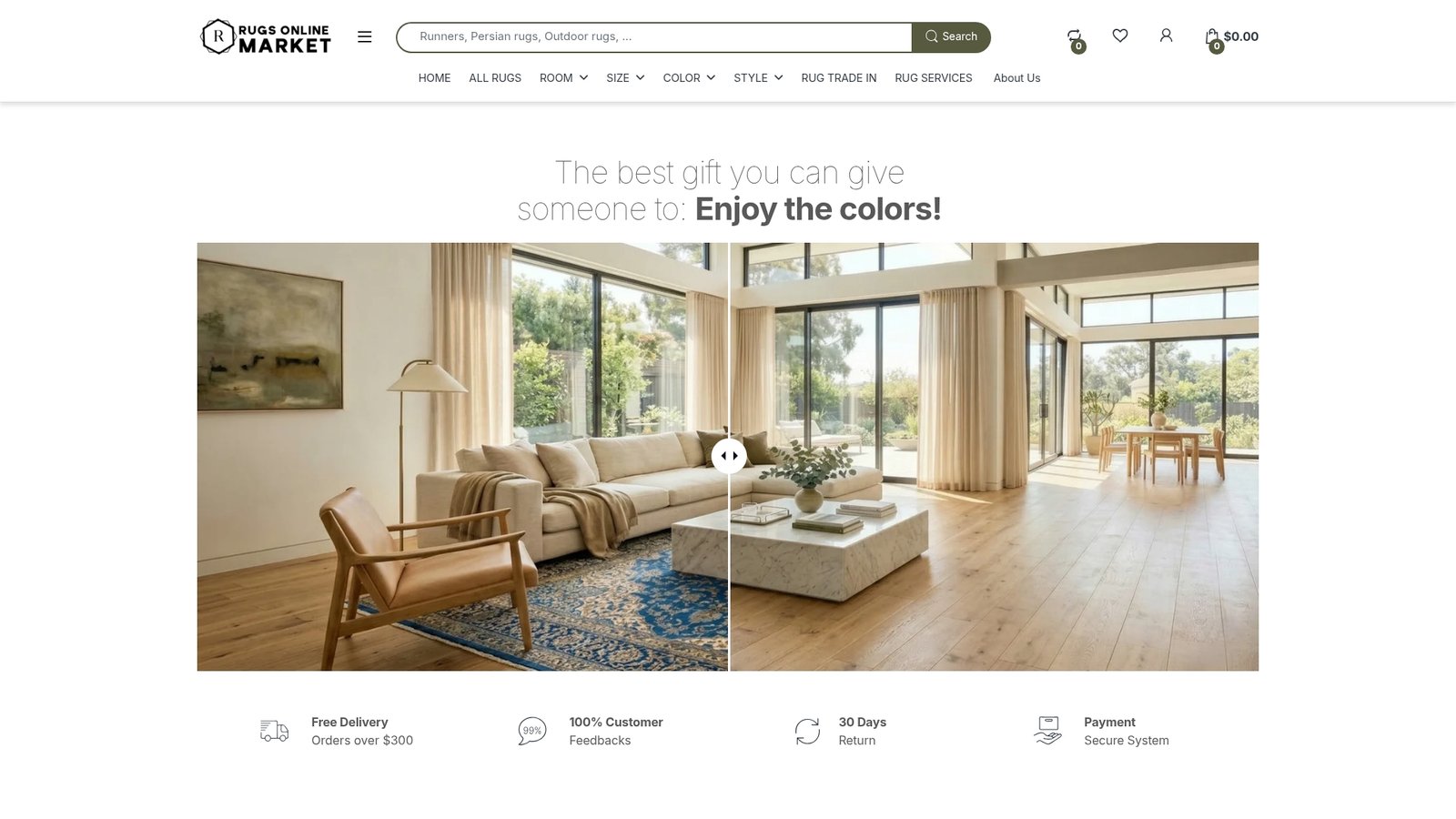
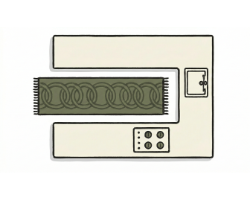
For shoppers focused on low-maintenance options, the washable rug guide covers the best machine-washable picks across price points. If you’re leaning toward a statement piece, the luxury rug collection features hand-knotted and premium tufted options with full provenance details. Need a hallway solution? The runner rug category has sizes from small accent strips to full-length corridor runners. Use the compare tool to put two or three options side by side before you decide, or contact customer service directly with provenance or sizing questions. Browse the full shop to start.
Sources and further reading
The research and editorial standards behind this article draw on the following sources. Each is worth bookmarking if you want to go deeper on any specific topic.
- Wirecutter: The 10 Best Area Rugs of 2026 — Hands-on testing of dozens of rugs and retailers; the most rigorous independent methodology available for construction and durability comparisons.
- The Spruce: The 11 Best Places to Buy Rugs — Tested 35 retailers with a focus on product page transparency, material clarity, and rug pad guidance.
- GQ: Where to Buy Rugs That Your Descendants Will Fight Over — Editorial use-case groupings (luxury, washable, vintage, contemporary) that reflect how design editors actually shop.
- Rugsonlinemarket editorial guides — Buying guides covering construction, materials, room-by-room recommendations, and style comparisons.
- Veranda: The 16 Best Places to Buy Rugs Online — Editor-curated picks from a home design perspective, with emphasis on aesthetic and quality.
- Vogue: The Best Places to Buy Rugs Online — Fashion and interiors perspective on top rug retailers, useful for style-driven shoppers.
