




























The best kitchen rugs are low-pile, machine-washable, and placed where you actually stand: in front of the sink, along an island, or down a galley path. Always pair any rug with a nonslip pad.
Quick picks by type and placement:
- Runners: galley kitchens, along islands, high-traffic paths
- Sink mats: placed directly in front of the sink or dishwasher
- Area rugs: placed under eat-in tables or in open-plan kitchen zones
- Layered system: washable top rug over a cushioned base mat for comfort and easy cleaning
Best materials at a glance: polypropylene, polyester, flatweave wool, and performance indoor/outdoor blends. Avoid loosely woven Chindi-cotton styles — they bunch, fray, and trap spills.
Safety first: every rug needs either a nonslip backing or a separate rug pad. No exceptions.

Table of Contents
- What are the best kitchen rug ideas you can copy right now?
- Which materials actually hold up in a kitchen?
- How do you size and place a rug in any kitchen layout?
- Are kitchen rugs safe, and how do you prevent slips?
- How do you clean kitchen rugs so they stay safe and attractive?
- How do you style a kitchen rug to complement your space?
- What do designers and product testers actually recommend?
- How do you pick the right kitchen rug before you buy?
- What should you budget for a kitchen rug?
- Key Takeaways
- The case for buying less rug and caring for it better
- Find your next kitchen rug at Rugsonlinemarket
What are the best kitchen rug ideas you can copy right now?
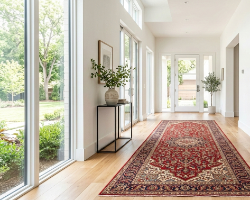
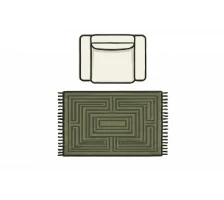
Kitchen runners are the most versatile starting point. A 2’×8’ runner along a galley kitchen does two things at once: it defines the traffic path and makes a narrow room feel longer. The same logic applies to islands — a runner that matches the island’s length (with 6–12 inches of clearance on each end) anchors the prep zone and adds warmth to what is otherwise a hard, cold floor.

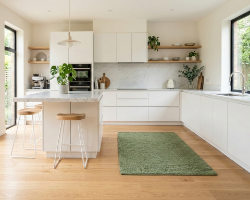
Short sink rugs deserve more credit than they get. A 2’×3’ or 2’×4’ mat placed directly in front of the sink cushions the 20-plus minutes most people spend standing there daily. Choose a cushioned or memory-foam-backed option if your priority is comfort, or a flatweave washable style if you want something easy to toss in the laundry.
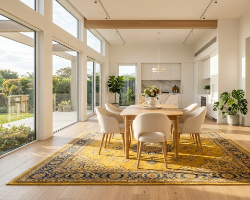
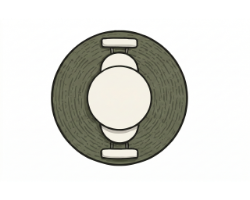
For eat-in kitchens, a 5’×7’ or 5’×8’ area rug under the table grounds the dining zone without crowding the cooking space. The rule: all chair legs should stay on the rug when pulled out. A layered look — small washable rug over a low-profile anti-fatigue mat — gives you both comfort and a quick-clean surface underneath.
Which materials actually hold up in a kitchen?
Low-pile, machine-washable synthetics and flatweave wool are the go-to recommendation for high-traffic kitchens. Polypropylene and polyester resist moisture, clean up fast, and hold color well. Flatweave wool handles moderate spills and vacuums easily, though it costs more.
Natural fibers are trickier. Jute looks great but absorbs moisture and can mildew near a sink. Cotton flatweaves are fine in low-splash zones. Loosely woven Chindi-cotton rugs are the one type to skip entirely — they bunch underfoot, create trip hazards, and fall apart after a few spills.
| Material | Durability | Washability | Cushioning | Water/Stain Resistance | Price | Style Fit |
|---|---|---|---|---|---|---|
| Polypropylene | High | Machine-washable | Low | Excellent | $ | Modern, casual |
| Polyester | High | Machine-washable | Low–medium | Very good | $ | Modern, colorful |
| Flatweave wool | High | Spot/hand wash | Low | Moderate | $$–$$$ | Traditional, boho |
| Cotton flatweave | Medium | Machine-washable | Low | Fair | $ | Casual, farmhouse |
| Jute | Medium | Spot clean only | Low | Poor | $–$$ | Natural, coastal |
| Performance indoor/outdoor | Very high | Hose or machine | Low | Excellent | $–$$ | Contemporary |
For a deeper look at how wool compares to synthetic options across durability and care, the trade-offs are worth understanding before you buy.
Pro Tip: A two-piece washable system — a machine-washable cover rug paired with a nonslip pad — is the lowest-maintenance setup for a busy kitchen. The cover goes in the wash; the pad stays put.
How do you size and place a rug in any kitchen layout?
Sizing is where most people go wrong. A rug that is too small floats awkwardly; one that is too large blocks cabinet doors or creates a tripping edge.
Measurement rules:
- Measure the zone you want to cover before ordering anything.
- For a runner along an island, subtract 12–18 inches from the island’s total length for the rug length, and choose a width of 2’–2’6" so it clears the island overhang.
- For a sink mat, a 2’×3’ fits most standard sinks; go 2’×4’ if you have a double basin or a dishwasher adjacent.
- For an eat-in table, add 24 inches to each side of the table’s footprint so chairs stay on the rug when pulled back.
- For a galley path, match the runner length to the usable floor run between appliances, leaving 6 inches of bare floor at each end.
Placement by layout:
- Galley kitchen: one long runner (2’×8’ or 2’×10’) centered in the walking path
- L-shaped kitchen: one runner along the longer leg, one small sink mat at the corner work zone
- Island kitchen: island-length runner on the prep side, separate sink mat on the perimeter
- Open-plan / eat-in: 5’×7’ or larger area rug under the dining table, runner optional along the cooking zone
Shape guidance: runners work for linear spaces; rectangular area rugs anchor dining zones; a round or square rug under a small bistro table softens a tight breakfast nook. For choosing the right rug size and color for your specific layout, measuring twice before ordering saves a return trip.
Are kitchen rugs safe, and how do you prevent slips?
A rug without grip is a hazard, not a comfort upgrade. The fix is straightforward, but it requires checking a few things together rather than assuming one solution covers all cases.
- Nonslip pad: use a full-length pad cut to match the rug’s footprint for area rugs and runners. Felt-and-rubber combination pads grip both the rug and the floor without scratching hardwood or tile.
- Double-sided tape: works for very thin flatweave rugs on smooth floors where a pad adds unwanted height.
- Rug backing check: latex or rubber backing provides some grip, but it degrades over time and can discolor certain floors. Check the backing every few months for cracking or peeling.
- Curling and bunching: low-pile rugs curl less than high-pile. If edges start lifting, a heavier pad or corner grippers fix it before it becomes a trip hazard.
- Heat and moisture zones: keep natural-fiber rugs away from the dishwasher vent and the area directly in front of the oven. Steam and heat accelerate fiber breakdown and can cause mold in absorbent materials.
Kitchen rugs and anti-fatigue mats are not the same product. Anti-fatigue mats use foam or gel cores for ergonomic support and wipe clean with a damp cloth, but most are not machine-washable. Decorative rugs offer more style options and machine-cleaning compatibility, but less cushioning. Pairing a thin anti-fatigue mat under a washable rug gives you both.
How do you clean kitchen rugs so they stay safe and attractive?
Spills happen fast. The response in the first 60 seconds determines whether a stain sets.
Immediate spill response:
- Blot liquids with a clean cloth — never rub, which pushes the stain deeper.
- Lift solids with a spoon or dull knife before applying any liquid.
- Apply a small amount of dish soap diluted in cold water, blot again, then rinse with cold water.
- Let the rug air-dry flat; never fold a wet rug.
Ongoing maintenance:
- Vacuum weekly (low-pile rugs) or twice weekly in heavy-use kitchens.
- Rotate the rug 180 degrees every 1–2 months to even out wear.
- Check nonslip pads monthly for deterioration.
| Rug type | Vacuuming | Laundering | Professional cleaning |
|---|---|---|---|
| Machine-washable synthetic | Weekly | Every 2–4 weeks | Rarely needed |
| Cotton flatweave | Weekly | Every 2–4 weeks | Not typically needed |
| Flatweave wool | Weekly | Spot clean; hand wash quarterly | Annually or when heavily soiled |
| Jute / natural fiber | Weekly | Spot clean only | Every 12–18 months |
For tougher stains, safe stain removal steps prevent the common mistake of using harsh cleaners that bleach or break down fibers. Enzyme-based cleaners work well on food and grease; avoid bleach on any colored rug.
How do you style a kitchen rug to complement your space?
Color and pattern do real work in a kitchen beyond looking good. Bold, busy patterns and darker palettes hide daily wear and stains far better than solid light colors, which show every crumb and splash.
- Neutral kitchens: a colorful or patterned rug is the fastest way to add personality without repainting. A Moroccan tile print or a vintage-style medallion pattern works in both modern and traditional kitchens.
- Busy kitchens: stick to a mid-tone palette with a geometric or abstract pattern. It reads as intentional, not dirty.
- Pattern mixing: if your cabinets or backsplash already have a strong pattern, choose a rug with a smaller-scale repeat or a solid texture. If your kitchen is mostly flat and neutral, a larger-scale pattern on the rug reads well.
- Layering: place a washable flatweave or low-pile rug over a cushioned base mat. The base handles comfort; the top rug handles style and easy cleaning. For boho and colorful rug ideas that work in layered setups, patterned flatweaves are a natural fit.
Pro Tip: Choose a rug with a pre-worn or distressed finish — vintage-style Oushak or antique-look patterns — if you want a kitchen rug that looks intentional even after months of heavy use. The worn-in aesthetic hides real wear.
For a broader look at how cozy styling choices translate from living rooms to kitchens, texture layering is the common thread.
What do designers and product testers actually recommend?
The consensus from design professionals and product-testing teams is tighter than most buying guides suggest. Three principles come up repeatedly.
“Kitchen rugs should enhance the existing style and be washable or otherwise forgiving. Vintage rugs with a pre-worn patina hide wear particularly well.” — Susan Serra, design professional, via Taste of Home
“Rugs add unexpected layers of inviting warmth and texture, helping bridge hard kitchen surfaces with home comfort.” — Designer Jessica Jubelirer, via Architectural Digest
Product testing teams consistently prioritize three features: machine-washability, nonslip backing, and low-pile construction. Rugs that passed real-use tests shared a common profile: synthetic or flatweave construction, secure backing, and a pattern that masked daily soil.
- Keep the pile low — under ½ inch — in any zone with heavy foot traffic.
- Choose washable over “stain-resistant” marketing claims; the former is verifiable, the latter often is not.
- Use pattern and texture deliberately to mask wear, not just for aesthetics.
- Machine-washable runner options in polypropylene and polyester blends are widely available in common kitchen sizes and represent the most practical entry point for most households.
How do you pick the right kitchen rug before you buy?
A five-step checklist cuts the decision time significantly.
- Measure the zone — write down the exact length and width before opening any product page.
- Choose the material — machine-washable synthetic for high-splash zones; flatweave wool or cotton for lower-traffic areas.
- Confirm washability — check the care label. “Spot clean only” means more work long-term.
- Plan for a nonslip pad — budget for it separately if the rug does not include one.
- Match the style last — color and pattern are the easiest things to change; size and washability are not.
Quick questions to ask before checkout:
- Is it machine-washable or spot-clean only?
- Is the pile low enough to lie flat without bunching?
- Does it include nonslip backing, or do you need a pad?
- Will the pattern hide wear after six months of real use?
Buying priority order: durability → safety (nonslip) → washability → style. When two rugs look equally good, the one that is easier to clean wins every time.
What should you budget for a kitchen rug?
Kitchen rugs span a wide price range, and the right budget depends mostly on material and size.
Entry-level ($20–$60): machine-washable polypropylene or polyester runners and sink mats. These cover the basics — washability, nonslip backing, low pile — without a large investment. Good for renters or anyone who wants to swap styles seasonally.
Mid-range ($60–$150): cotton flatweaves, performance indoor/outdoor rugs, and patterned synthetic area rugs in larger sizes (5’×7’ and up). This range offers more design variety and better construction without moving into premium territory.
Premium ($150–$400+): flatweave wool, hand-knotted or hand-tufted natural-fiber rugs, and vintage or antique-style pieces. These hold up for years with proper care and add genuine character to a kitchen. The trade-off is more careful maintenance — most require hand washing or professional cleaning rather than a machine cycle.
A nonslip rug pad adds $15–$40 depending on size and is worth including in any budget calculation. Skipping it risks both safety and the rug’s longevity.
Key Takeaways
Low-pile, machine-washable runners placed in front of the sink and along the island are the most practical and durable kitchen rug choice for most households.
| Point | Details |
|---|---|
| Best material choice | Polypropylene, polyester, or flatweave wool: low-pile, washable, and stain-resistant. |
| Placement priorities | Sink front, island length, and galley path are the three highest-impact zones. |
| Safety non-negotiable | Every rug needs a nonslip pad or rubber backing; check it monthly for wear. |
| Cleaning frequency | Machine-washable synthetics: launder every 2–4 weeks; natural fibers: spot clean weekly. |
| Shop at Rugsonlinemarket | Rugsonlinemarket carries washable rugs, runner categories, and natural fiber options with free shipping on orders over $300. |
The case for buying less rug and caring for it better
Most kitchen rug mistakes come from buying too many rugs or the wrong size, then neglecting them. A single well-chosen runner in front of the sink, washed every few weeks, does more for a kitchen than three decorative mats that never get cleaned.
The other thing people underestimate: pattern choice is a maintenance decision, not just an aesthetic one. A solid white cotton rug in a kitchen is a cleaning project. A vintage-style Oushak or a geometric flatweave in a mid-tone palette looks intentional on day one and still looks intentional after a year of real use. The pre-worn aesthetic is not a compromise — it is a practical strategy.
Washability is the single feature worth prioritizing above everything else, including price. A $40 machine-washable polypropylene runner that you launder monthly will outlast a $200 hand-knotted jute rug that you spot-clean reluctantly and eventually throw out after a bad spill. Buy for the life you actually live in your kitchen, not the kitchen in the catalog photo.
Find your next kitchen rug at Rugsonlinemarket
The right kitchen rug is already in stock. Rugsonlinemarket carries the exact categories this article recommends: washable rugs in synthetic and flatweave constructions, a full runner rug category with sizes from 2’×4’ to 2’×12’, and natural fiber options for lower-splash zones.

The buying process is straightforward: measure your zone, filter by material and machine-washability, then add a nonslip pad to your order. Free shipping applies to orders over $300, and returns are hassle-free within 30 days. Browse the collection at Rugsonlinemarket and filter by size, material, or washability to find the right fit for your kitchen.
Useful sources and further reading
- Best Kitchen Rugs — HGTV: material and durability guidance for high-traffic kitchens
- The Best Rugs for Your Kitchen Area — Taste of Home: product-testing results on washability, nonslip backing, and anti-fatigue mat comparisons
- 7 Best Kitchen Rugs That Stand Up to Real Life — Architectural Digest: designer recommendations on style and performance trade-offs
- Kitchen Rugs Can Get Gross — These Stand Up to Heavy Use — Bon Appétit: pattern and color strategies for hiding wear; maximalist trend coverage
