









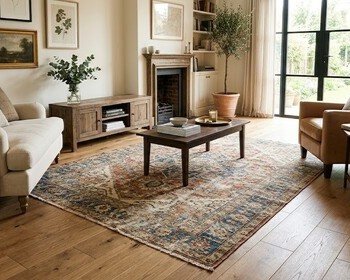
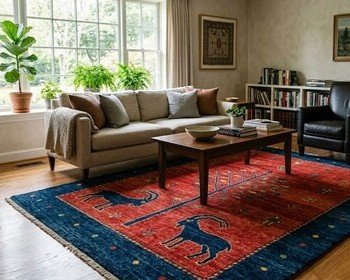






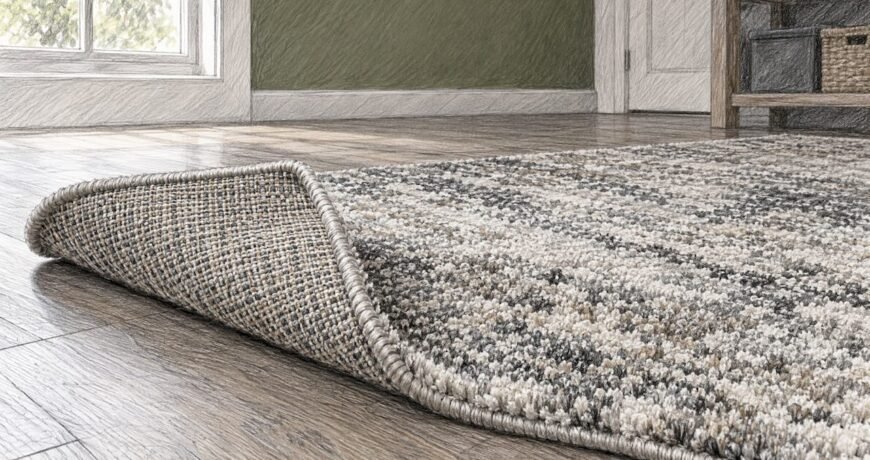
A synthetic rug is a machine-made rug woven from man-made fibers, most often polypropylene, polyester or nylon. It earns its place in the rooms where life gets messy: entryways, kitchens, dining rooms, kids’ rooms and outdoor spaces. Pick the fiber to match the room, air the rug out when it arrives, and keep heat away from it when you clean. That covers most of what you need to know.
This guide is for anyone choosing a rug for a real home or business. It explains the fibers in plain terms, compares polyester and polypropylene, answers the safety question buyers ask most, and walks through care that keeps a synthetic rug looking good for years.
Key Takeaways
- Polypropylene is the practical pick for spills, pets and heavy traffic. Polyester is the soft, richly colored pick for bedrooms and lighter-use rooms.
- Synthetic rugs are made on power looms, so they suit budgets, high-traffic rooms and spaces where easy cleaning matters most.
- New rugs can release odors and volatile organic compounds (VOCs, gases given off by materials) for a short time. Unroll the rug in a ventilated room and the levels tend to drop quickly.
- Keep heat away from synthetic fibers. Use cool water, mild dish soap and flat drying, never a steam cleaner or hot iron.
- Look for a care label, a flammability-compliant label and, if indoor air is a priority, a low-emission certification.
Table of Contents
- What counts as a synthetic rug
- Polyester vs. polypropylene: the comparison most buyers need
- Which synthetic rug for which room
- Are synthetic rugs toxic?
- Labels and standards worth knowing
- Caring for a synthetic rug
- How to choose: a quick checklist
- Shopping synthetic and washable rugs with us
- Our perspective
- FAQ
- Sources
What counts as a synthetic rug
A synthetic rug is made from fibers created from petrochemical-based polymers rather than from an animal or plant. The most common are polypropylene (also sold as olefin), nylon, polyester and acrylic. Viscose, which is made from regenerated cellulose, often shows up in the same rug listings and is sometimes grouped with synthetics, although it behaves differently and is far more sensitive to moisture.
Synthetic rugs are usually power-loomed: a machine weaves the pile into a backing. That is why they come in a huge range of sizes, shapes and patterns at accessible prices, from runners and round rugs to doormats and bath mats. A hand-knotted or hand-loomed rug is a different category, built slowly by people, with different strengths. If you are comparing the two families, our guide to wool versus synthetic rug options lays out the trade-offs by room.
Polyester vs. polypropylene: the comparison most buyers need
These two fibers account for most of the synthetic rugs you will see, and they behave very differently in a home.
Polypropylene is solution-dyed, meaning the color is added to the fiber while it is made rather than applied afterward. The result is a fiber that resists fading and staining, does not absorb liquid, and resists mold and mildew. Many polypropylene rugs are also made from recycled plastic. Polyester is valued for a softer hand and deep, vibrant color.
| Polypropylene (olefin) | Polyester | |
|---|---|---|
| Feel | Smooth to slightly waxy, often flatter | Soft, plush, often silky |
| Color | Colorfast, resists sun fading | Rich, saturated shades |
| Spills | Liquid sits on top, easy to blot | Handles spills, but oils can cling |
| Traffic | Best for entryways, kitchens, dining rooms | Best for bedrooms and low-traffic living areas |
| Moisture | Does not absorb water, mildew resistant | Resists moisture, but less so than polypropylene |
| Outdoors | A natural fit | Better kept indoors |
The short version: if the rug will meet muddy shoes, dropped food or a puppy, choose polypropylene. If you want something soft under bare feet next to the bed, choose polyester. Nylon is a third option that many buyers treat as the most resilient synthetic because it springs back from foot traffic, and it appears in stair runners and hallway rugs.
Pile height matters as much as fiber
A low-pile polypropylene rug vacuums easily and lets doors swing over it. A thick, high-pile polyester rug feels luxurious but traps more crumbs and needs more careful vacuuming. For hallways, kitchens and under dining chairs, pick low pile. For a bedroom or a reading corner, high pile is a comfort choice.
Which synthetic rug for which room
Match the fiber to what the floor actually endures.
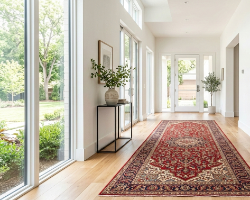
Entryways and mudrooms. Water, grit and salt are the enemy. A low-pile, non-absorbent rug that you can shake out or rinse is the right tool. Our mudroom rug guide covers mud, snow and paws, and the doormats collection is the place to shop.
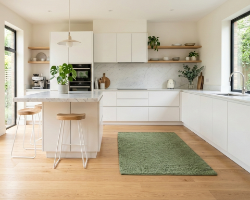
Kitchens. Choose a washable, low-profile rug or runner that tolerates splashes. Browse kitchen rugs and washable options.
Dining rooms. Chairs drag across the surface and food lands on it. Flat, low-pile construction works best, and the rug should be large enough that chairs stay on it when pulled out. See our dining room rugs.
Living rooms. Traffic and sunlight both play a role. For sunny rooms, a solution-dyed fiber is the safer choice because the color is part of the fiber itself. Rotating the rug every few months evens out wear and light exposure. Explore living room rugs.
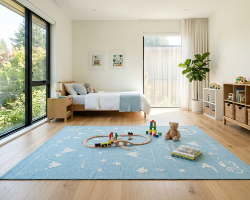
Bedrooms and kids’ rooms. A soft polyester pile feels good underfoot. For play areas, a washable rug makes cleanup far easier.
Offices and commercial spaces. Durable, easy-clean synthetics suit reception areas and workspaces. Our office rug collection and restaurant rug guide show what works in each zone.
Bathrooms. Bath mats need to dry fast and wash well. Our guides to washable bathroom rugs and bathroom rugs for comfort and safety cover the details.
Are synthetic rugs toxic?
A new synthetic rug is not something to fear, but it is something to air out. The question is mostly about VOCs, gases that new carpets, rugs and their backings can give off.
A laboratory chamber study of new carpets found that the emissions depended heavily on the backing: latex-backed products gave off one set of compounds, vinyl-backed products another, and polyurethane-backed products another again. That is the reason the backing matters at least as much as the fiber on top.
The National Center for Healthy Housing explains that carpeting releases VOCs especially when first installed, that some can affect respiratory health, and that levels tend to drop quickly. A peer-reviewed review from 2018 found symptoms such as wheezing in children more often linked to carpets installed within the previous 12 months than to older ones, and recommended continued caution with wall-to-wall carpet in schools, offices and children’s bedrooms.
How to bring a new rug home safely
- Unroll the rug as soon as it arrives, in a room with open windows or a fan, and let it lie flat for a few days before placing it in a bedroom or nursery.
- Remove all packaging and let any fresh smell fade before you put furniture on top.
- For babies, toddlers or anyone with asthma or allergies, ask your pediatrician or doctor if you have a specific concern about a particular room or product.
- Vacuum the new rug once or twice to lift loose fibers and dust.
We go deeper on backings and what to ask about them in non-toxic rugs parents can trust and low-VOC rugs.
Labels and standards worth knowing
You do not need a chemistry degree. Three kinds of labels cover most of what a US buyer would reasonably look for.
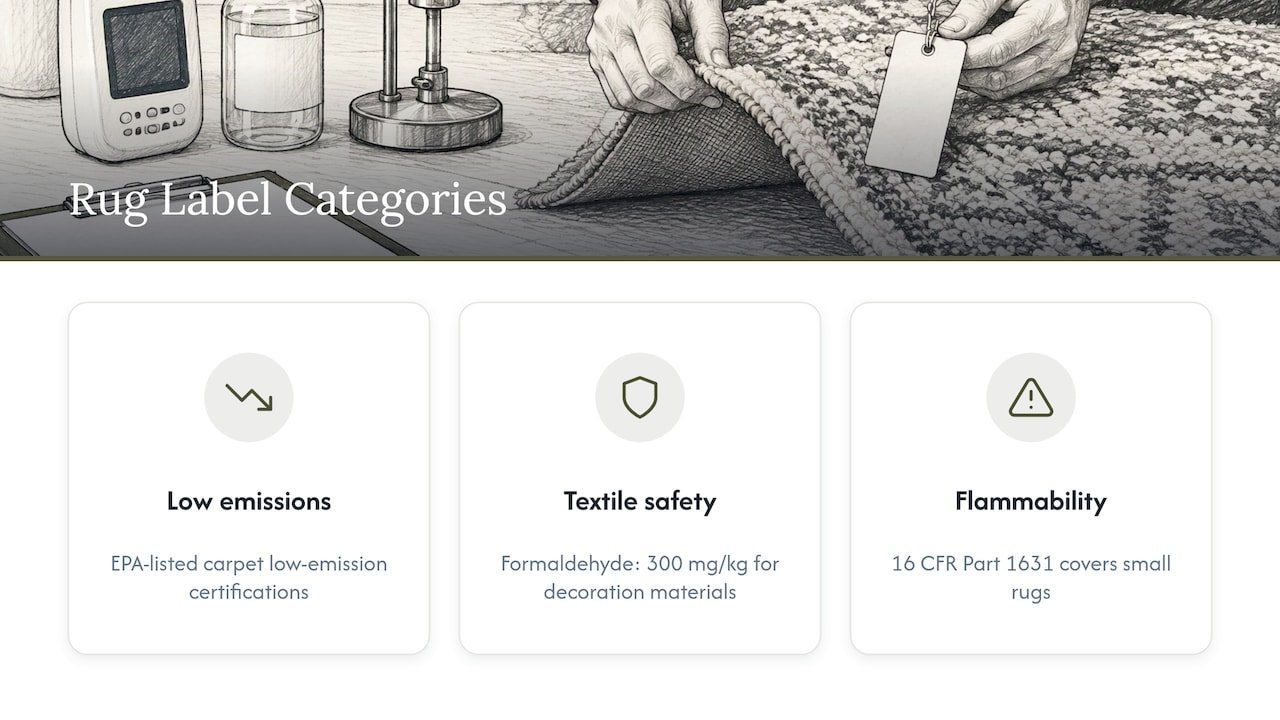
Low-emission certifications. The EPA’s Indoor AirPlus program requires carpet and carpet cushion to meet a low-emission standard known as CDPH Standard Method V1.2-2017, and lists CRI Green Label Plus, SCS Indoor Advantage Gold and Eurofins Indoor Air Comfort USA as labels that meet it. These apply to carpet products, so they are most relevant to large, wall-to-wall style pieces, but they show you what a credible low-emission claim looks like.
Textile safety standards. OEKO-TEX Standard 100 sets limits on substances such as formaldehyde, heavy metals and pesticides. Its 03.2025 limit tables allow up to 300 mg/kg of formaldehyde for decoration materials, with stricter limits for textiles that touch skin. A rug carrying this certification has been tested against those limits.
Flammability compliance. In the US, small carpets and rugs fall under 16 CFR Part 1631, the federal surface flammability standard that also covers labeling. A compliant rug passes a surface flammability test, but that does not make it suitable beside a fireplace or stove. For that situation, see our guide to fire resistant rugs and hearth clearance.
Caring for a synthetic rug
Care is where synthetic rugs shine: they forgive more than most fibers. Still, a few habits make the difference between a rug that looks new for years and one that dulls early.
Vacuum and rotate
Bissell recommends vacuuming high-traffic rugs weekly, and two to three times a week if you have pets, children or allergy sufferers. It also suggests rotating a rug 180 degrees every three to six months so wear and sunlight spread evenly, and treating spills immediately. Synthetic rugs can generally handle vacuuming, wet cleaning and most stain removers.
Spot-clean the right way
- Blot, never rub. Lift as much of the spill as you can with a clean white cloth.
- Mix a little mild, clear dish soap into cool or lukewarm water. Avoid laundry detergent, which can leave residue.
- Dab the stain from the outside edge toward the center.
- Rinse by blotting with a cloth dampened with plain cool water.
- Press dry with a towel, then let the rug dry flat with air moving across it, out of direct sun.
For tougher cases, our guide on removing rug stains without making them worse goes stain by stain.
Keep heat away
Synthetic fibers are plastics, so heat is the one thing to avoid. A steam cleaner, hot iron or hair dryer on its hottest setting can leave a flat, shiny patch where the fibers have softened. Hot water can leave the pile looking limp after drying. Use cool water, and let the rug dry at room temperature.
Pets and floors
If your rug lives in a home with a dog or cat, keep the floor around it clean too. These pet-safe floor cleaning recipes are a practical way to keep the hard floor under and around your rug fresh.
Stop it from slipping
A rug that slides is a hazard. A proper pad keeps it in place and protects the floor, and our guide on how to stop a rug slipping covers every floor type.
How to choose: a quick checklist
- Name the room and the mess. Crumbs and paws point to polypropylene. Bare feet and a quiet room point to polyester.
- Choose the pile height. Low for kitchens, halls and dining rooms. Higher for bedrooms.
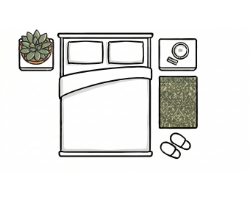
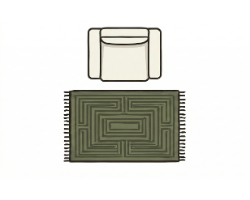
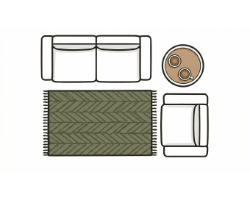
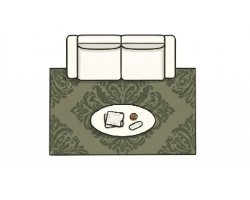
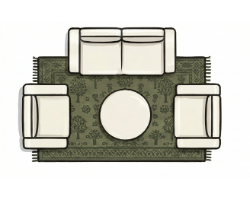
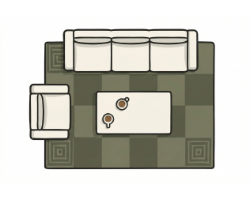
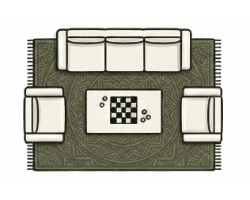
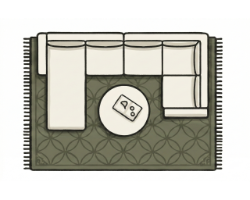
- Check the size. A rug that is too small makes a room look smaller. In a living room, front legs of the main furniture should sit on the rug. In a dining room, the rug should extend beyond the chairs when they are pulled back.
- Read the care label. It tells you if the rug is washable, outdoor-safe or spot-clean only.
- Ask about backing and emissions. Backing affects what a new rug gives off, so check for a recognized certification if indoor air is a priority.
- Plan the airing. Give the rug a few days in a ventilated space before it goes in a bedroom.
Shopping synthetic and washable rugs with us
At Rugs Online Market, you can shop area rugs by room, size, style and material, including runners, round rugs, doormats and bath mats and washable styles for busy households. Orders over $300 ship free, and you have 30 days for hassle-free returns, so you can see how a rug works in your room.

If you want a washable option for a family room or entry, start with our washable rug picks. If you want the look of a classic design, browse traditional rugs, and for a natural texture have a look at our natural rugs.
Our perspective
Most people come to us with one question: what will still look good in two years? A rug is not a single choice between good and bad material. It is a match between a fiber, a construction and the way you live.
That is why we carry such a wide range, from traditional and handmade rugs to natural fibers, washable styles, outdoor rugs, doormats and bath mats. Different rooms ask different things of a floor, and a family room with a dog is not a formal dining room.
For the busiest and messiest spots, a synthetic rug is a smart, practical tool, and we want you to choose with the facts in hand: fiber, pile height, size, backing and care. We publish guides on all of these for exactly that reason.
Our aim is a rug you are glad to walk on every day. Free delivery on orders over $300 and a 30-day return window are there so you can choose with confidence.
ROM team
FAQ
What is the best synthetic material for area rugs?
It depends on the room. Polypropylene is the practical choice for heavy traffic, spills and pets because it is solution-dyed and does not absorb liquid. Polyester suits bedrooms and quieter spaces where softness matters most. Nylon is another option for hallways and stairs.
Is polyester or polypropylene better for a rug?
Polypropylene is better where the rug will be walked on and spilled on daily. Polyester is better where you want a soft feel and rich color and the traffic is lighter. For a kitchen, entryway or outdoor space, pick polypropylene.
Are synthetic rugs toxic?
New rugs can give off VOCs for a short time, mostly from the backing and finishing, and levels tend to fall quickly. Unroll the rug in a ventilated room for a few days, vacuum it, and look for a recognized low-emission label if indoor air is a priority. If someone in your home has asthma or a specific sensitivity, talk to their doctor before choosing a rug for a bedroom.
Can I wash a synthetic rug?
Many can be spot-cleaned or washed, but check the care label first. Use cool or lukewarm water and mild dish soap, blot rather than scrub, and dry the rug flat with air moving across it. Never use a steam cleaner, hot iron or hot dryer.
Sources
- 14 Types of Rugs Every DIY Decorator Should Know, Bob Vila
- Emissions of volatile organic compounds from new carpets, PubMed
- Carpets and Healthy Homes fact sheet, National Center for Healthy Housing
- Do Carpets Impair Indoor Air Quality and Cause Adverse Health Outcomes, PMC
- Indoor AirPlus: How to Find Compliant Building Materials, EPA
- OEKO-TEX Standard 100, Edition 03.2025
- 16 CFR Part 1631, Standard for the Surface Flammability of Small Carpets and Rugs, eCFR
- How to Clean a Rug, Bissell
- Pet-safe floor cleaning recipes
