































Allergy Free Rugs (2026 Guide)
Are you an allergy sufferer tired of constant sneezing and stuffiness at home? Or perhaps you’re concerned about creating a healthy environment for your family, especially if someone has asthma? You’re not alone. Many people are discovering the significant impact indoor air quality has on their health and well-being. A critical element of a healthy home is the flooring, and in particular, the rugs. Hypoallergenic rugs are specifically designed to minimize allergens, such as dust mites, pet dander, pollen, and mold spores. They are crafted with materials and construction methods that resist allergen accumulation and are easier to clean.
Rugs can significantly impact indoor air quality and overall health, for better or worse. They can trap various allergens, exacerbating symptoms. This guide will explore how to choose the right rugs to protect your health, including understanding the benefits of low pile rugs for allergies, selecting the best rugs for asthma, and the importance of dust mite resistant rugs.
Unmasking the Hidden Hazards: The Allergy-Triggering Culprits in Rugs
Rugs can be havens for allergens, potentially triggering or worsening allergy and asthma symptoms. Understanding these common culprits is the first step in creating a healthier home.
The usual suspects include:
-
Dust Mites: These microscopic creatures thrive in warm, humid environments and feed on dead skin cells. Their droppings are a significant source of allergic reactions, triggering sneezing, runny noses, and itchy eyes.
-
Pet Dander: Tiny, lightweight particles of skin, saliva, and urine shed by pets easily become airborne and accumulate in rugs. Even if you love your furry friends, their dander can be a major irritant.
-
Mold Spores: Microscopic fungi that thrive in damp conditions. Rugs in humid environments are prone to mold growth, which releases allergenic spores, causing respiratory issues and other allergic reactions.
-
Pollen: Pollen from outdoor plants can be tracked indoors and trapped in rugs, particularly during allergy seasons. This can trigger seasonal allergies, causing discomfort for those sensitive to it.
Allergens accumulate in rugs due to their structure, which is a matrix of fibers that trap allergens, making them difficult to remove. Foot traffic, air currents, and pet activity can all contribute to allergens being embedded deeper into the rug fibers.
These trapped allergens can lead to various health issues. Dust mites, pollen, and pet dander can cause symptoms like sneezing, runny nose, itchy eyes, and congestion (allergic rhinitis or hay fever). Allergens can also trigger asthma symptoms, such as wheezing, coughing, shortness of breath, and chest tightness. For those with asthma, the right rug choice is critical.
Material Matters: Key Features of Hypoallergenic Rugs
The material of a rug is crucial to its hypoallergenic properties. Some materials are naturally more resistant to allergens than others. Choosing the right material can dramatically reduce the amount of allergens that collect in your home.
Here’s a breakdown of the most common hypoallergenic rug materials:
-
Wool: A natural fiber with inherent properties that make it a good choice for people with allergies. Wool fibers have a natural coating called lanolin, which repels dust mites. Its crimped structure makes it difficult for allergens to penetrate deeply, and its natural breathability reduces moisture buildup.
-
Nylon: A synthetic fiber known for its durability, stain resistance, and affordability. Nylon fibers are typically less attractive to dust mites than natural fibers and are easy to clean.
-
Polypropylene (Olefin): This synthetic fiber is naturally stain-resistant, fade-resistant, and moisture-resistant. Polypropylene is a great choice for allergy sufferers because it does not absorb moisture, preventing mold and mildew growth.
Other materials worth considering include silk, which is a luxurious and naturally hypoallergenic option, and seagrass and sisal, known for their low allergen properties, though their coarse textures may not be suitable for all spaces.
Certain materials are better at preventing allergen build-up because of their density of fibers, non-absorbent properties, and ease of cleaning. Tightly woven materials are less likely to trap allergens. Materials that do not absorb moisture discourage the growth of mold and dust mites. Materials that are easy to clean allow for more effective removal of allergens.
Low Pile vs. High Pile: The Allergy Perspective
Understanding pile height is essential when selecting a rug. The “pile” refers to the height of the fibers that form the rug’s surface, impacting both aesthetics and allergen trapping.
Let’s dive deeper into the two main categories:
Low Pile Rugs:
-
These rugs have a short, dense pile, typically less than 1/4 inch high.
-
The compact construction of low pile rugs prevents allergens from penetrating deeply into the rug fibers.
-
The smooth surface of low pile rugs makes them easier to vacuum thoroughly, removing allergens more effectively.
-
Low pile rugs for allergies are an excellent choice due to their cleaning and allergen-resistant properties.
High Pile Rugs:
-
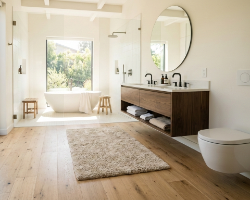
High pile rugs have longer, looser fibers (e.g., shag rugs).
-
The loose construction of high pile rugs can trap more allergens.
-
They can be more challenging to clean thoroughly, leading to allergen accumulation.
The longer and looser the fibers, the more allergens the rug can trap. High pile rugs require more frequent and intensive cleaning to remove allergens.
A Guide to Choosing the Best Rugs for Asthma Sufferers
If you or a loved one has asthma, the choice of rug becomes even more critical. Here’s a guide to selecting the best rugs for asthma:
-
Material Selection: Reiterate the importance of choosing hypoallergenic rug materials, such as wool, nylon, or polypropylene. These materials are less likely to harbor allergens.
-
Pile Height Recommendation: Low pile rugs are best for their ease of cleaning and reduced allergen accumulation. The dense construction prevents allergens from settling deep into the fibers.
-
Construction: Choose rugs with a tightly woven construction to minimize allergen trapping. This will help to prevent allergens from becoming embedded.
-
Avoidance of Potential Triggers: Avoid rugs made with materials that can trigger asthma, such as those made with latex (some rug backings).
-
Certifications: Look for rugs with certifications like the Asthma and Allergy Foundation of America (AAFA) certification. This indicates that the rug has been tested and meets standards for low allergen emissions.
Specific examples of suitable rugs include:
-
Wool Rugs: Wool rugs are a good choice because of their natural properties. They are naturally resistant to dust mites and other allergens.
-
Nylon or Polypropylene Rugs: These synthetic options are also suitable for their durability and easy cleaning. They are less likely to trap allergens.
-
Low-Pile Construction: Emphasize the benefits of a low pile design.
The importance of maintenance should be stressed in relation to asthma triggers:
-
Vacuuming Frequency: Recommend vacuuming rugs at least once or twice a week, or more frequently if needed. This is the first line of defense against allergens.
-
Regular Cleaning: Regular professional cleaning can remove deep-seated allergens. Professional cleaning is essential for removing allergens that have accumulated over time.
-
Air Purifiers: Suggest using an air purifier to filter out airborne allergens. Air purifiers can help to remove allergens from the air, reducing symptoms.
Dust Mite Resistance: A Crucial Factor
Dust mite resistant rugs are a significant step in minimizing allergens in the home. Dust mites are a major trigger for allergies and asthma, so choosing a rug that resists them is a proactive approach.
Here’s what you need to know:
-
Material Properties: Certain materials, like wool and synthetic fibers, are naturally less hospitable to dust mites. These materials have properties that discourage dust mite growth.
-
Tight Weave: Tightly woven rugs are less likely to provide a habitat for dust mites. The tight weave prevents dust mites from settling in.
-
Dust Mite-Resistant Treatments: Some rugs are treated with special chemicals or coatings to deter dust mites. These treatments can provide an extra layer of protection.
Tips to minimize dust mites in the home include:
-
Regular Cleaning: Emphasize the importance of regular vacuuming and cleaning.
-
Hot Water Washing: Washing bedding and other fabrics in hot water (at least 130°F) can kill dust mites.
-
Humidity Control: Recommend maintaining a low humidity level in the home, as dust mites thrive in humid environments.
-
Ventilation: Suggest ventilating the home regularly to reduce moisture and improve air quality.
Maintenance and Cleaning for Allergy-Friendly Rugs: Keeping Your Home Healthy
Maintaining your hypoallergenic rugs is crucial for keeping your home healthy and minimizing allergens. Proper cleaning practices will ensure your rugs continue to provide a clean and healthy environment.
Here’s detailed guidance:
-
Vacuuming:
-
Explain the importance of regular vacuuming to remove surface allergens. This is your first line of defense against allergens.
-
Recommend vacuuming low pile rugs frequently, ideally once or twice a week.
-
Suggest using a vacuum cleaner with a HEPA filter to capture dust mites and other allergens. HEPA filters trap even the smallest particles.
-
Advise against using a beater brush on delicate rugs, as it can damage the fibers.
-
-
Spot Cleaning:
-
Provide instructions on how to spot clean spills and stains immediately to prevent them from setting. Act quickly to prevent stains from setting.
-
Recommend using a mild detergent and water for spot cleaning. Avoid harsh chemicals.
-
Advise against using harsh chemicals, as they can trigger allergies.
-
-
Deep Cleaning:
-
Explain the need for deep cleaning to remove allergens that have penetrated the rug fibers.
-
Recommend professional rug cleaning at least once a year, or more frequently if needed. Professional cleaning removes deep-seated allergens.
-
Suggest using a steam cleaner or hot water extraction method for deep cleaning.
-
Explain the importance of allowing the rug to dry completely after cleaning to prevent mold and mildew growth.
-
-
Other Considerations:
-
Recommend placing a doormat at entryways to minimize dirt and allergens tracked into the home.
-
Advise against wearing shoes inside the house to reduce the amount of dirt and allergens brought indoors.
-
Suggest using air purifiers with HEPA filters to remove airborne allergens.
-
Cleaning frequencies and methods are:
-
Vacuuming Frequency: Emphasize the need for regular vacuuming, especially in high-traffic areas. This is your first line of defense.
-
Spot Cleaning: Provide clear steps on how to spot clean spills.
-
Professional Cleaning: Explain the importance of deep cleaning every 6-12 months. This removes embedded allergens.
Appropriate cleaning products and tools are:
-
Vacuum Cleaners: Recommend the use of a vacuum cleaner with a HEPA filter.
-
Cleaning Solutions: Suggest mild detergents or specialized rug cleaning solutions.
-
Avoidance of Harsh Chemicals: Caution against using harsh chemicals that can trigger allergies.
Conclusion: Creating a Healthier Home with Hypoallergenic Rugs
Choosing the right rug can significantly improve your indoor air quality and reduce allergy and asthma symptoms. By considering materials, pile height, and maintenance, you can create a healthier and more comfortable home environment.
Remember these key takeaways:
-
Prioritize hypoallergenic rugs to reduce allergens. They are designed to minimize allergen accumulation.
-
Maintain and choose dust mite resistant rugs. These are an effective step in creating a healthier home.
-
Consider materials, pile height, and maintenance when selecting the best rugs for asthma. Choose with care to help improve indoor air quality.
Rugs can significantly impact indoor air quality and overall health. They are a common breeding ground for allergens, so considering them when selecting and maintaining rugs is important.
Encourage readers to research different rug materials and construction methods. The more informed you are, the better choices you can make. It is also good to consult with a professional rug cleaner for advice. Visit local rug stores to see and feel the different options available.
