




















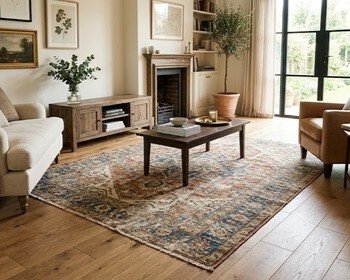







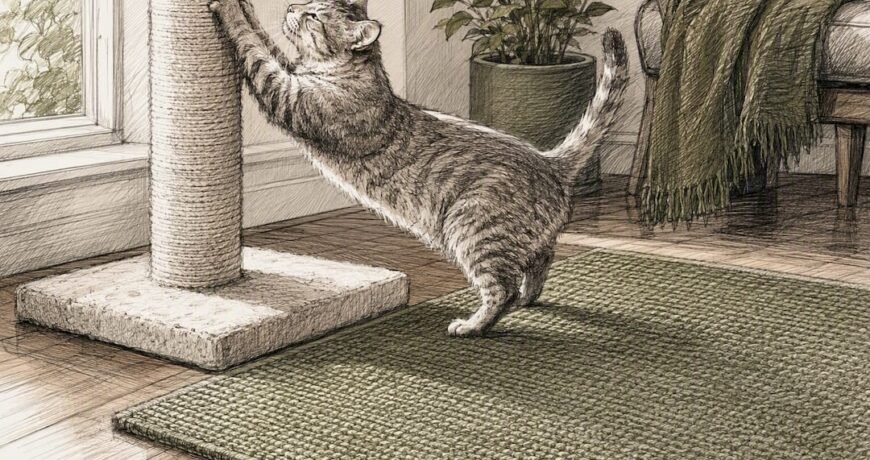
The best cat-proof rug is a low-pile, tightly woven piece in a machine-washable or water-resistant fabric, paired with at least one dedicated scratching post nearby. That combination handles the two real threats: claws and accidents. Chasing a rug that survives claws alone still leaves you scrubbing stains every week.
Before you buy, run any rug through this checklist:
- Pile height: flatweave or low-pile only. Loops and shag trap fur and invite snagging claws.
- Cleanability: machine-washable or spot-cleanable, ideally with a removable cover.
- Construction: tight weave, not loose loops that a claw can hook and pull.
- Safety: non-toxic dyes and backing, since cats groom paws that touch the floor.
Pro Tip: Keep a scratching post within three feet of any rug edge your cat already targets. Redirecting the behavior works far better than any fiber alone. Rugsonlinemarket’s washable and pet-friendly rug collection is a solid place to start browsing once you know what to look for.
Key Takeaways
A cat-proof rug combines low pile, tight weave, and machine washability with a nearby scratching post to redirect claws away from the fibers entirely.
| Point | Details |
|---|---|
| Prioritize pile and weave | Choose low-pile or flatweave rugs with a tight weave to resist snagging and claw damage. |
| Confirm washability specs | Check max wash temperature, dryer guidance, and whether the cover is removable before buying. |
| Redirect scratching behavior | Place sturdy scratching posts with varied textures right next to areas your cat already targets. |
| Use color and pattern strategically | Match rug tone to your cat’s fur or choose multi-colored patterns to hide hair and small stains. |
| Shop filtered categories | Rugsonlinemarket’s washable and natural rug collections let you filter by pile, fiber, and backing type. |
Table of Contents
- What Should You Look for in a Cat-Proof Rug?
- Which Rug Materials Hold Up Best Against Cats?
- Do You Need a Washable or Waterproof Rug?
- How Can You Stop Cats From Scratching Rugs?
- What’s the Best Way to Clean a Cat-Proof Rug?
- How Do You Hide Pet Hair and Stains on a Rug?
- Where Should You Shop for Cat-Proof Rugs?
- Why Low-Pile, Washable Rugs Are the Better Bet
- Find Your Cat-Proof Rug at Rugsonlinemarket
- Frequently Asked Questions
- Sources
What Should You Look for in a Cat-Proof Rug?
Six factors decide whether a rug survives a cat household: pile height, weave, fiber, backing, stain resistance, and price. Get the first three right and the rug earns its keep.

Pile height matters more than any other spec. Low-pile and cut-pile rugs resist snagging because claws slide across them instead of hooking into loops. Design guides consistently steer pet owners away from looped or high-pile constructions, since loops catch claws and high pile buries fur and dirt where vacuums can’t reach.
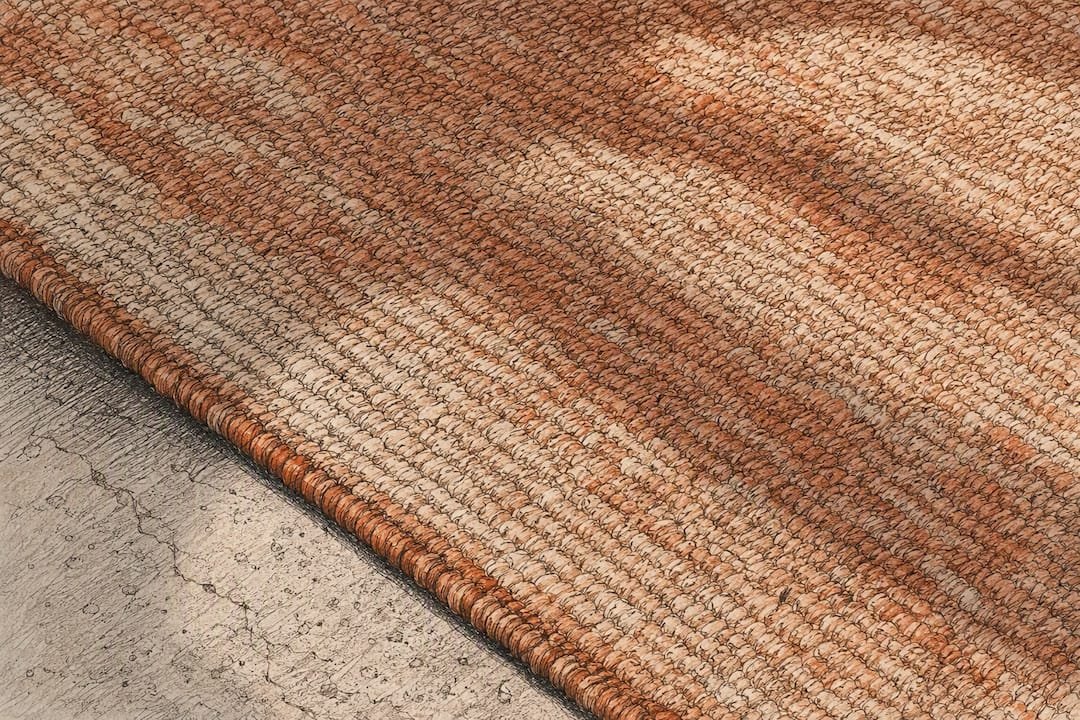
Weave comes next. A tight, dense weave resists pulling and unraveling, while a loose or open weave gives claws something to grab and tear. Fiber determines both scratch resistance and cleaning ease, which the next section covers in detail. Backing should be non-slip and, ideally, waterproof, so accidents don’t seep into the padding underneath. Stain resistance varies wildly by fiber treatment, and price should reflect how much abuse the rug will actually take, not just its looks.
If you have to compromise on something, protect washability first. A rug that hides some wear but rinses clean beats a “scratch-proof” rug you can’t launder after an accident.
Which Rug Materials Hold Up Best Against Cats?
Fiber choice shapes durability, cleaning, and how a rug ages in a cat household. Here’s how the common options stack up.
- Polypropylene/olefin: synthetic, stain-resistant, and often machine-washable. Cleans easily and resists moisture, though cheaper grades can pill under heavy claw traffic. Best for busy households that want low fuss.
- Wool: naturally durable and resilient against light scratching, but it stains more easily and usually needs professional cleaning. Best for style-focused rooms cats rarely scratch.
- Sisal and jute: rugged, textured, and genuinely scratch-friendly, which is a double-edged sword. Houzz lists sisal among the most durable options for high-traffic, pet-heavy spaces, but its texture also invites scratching rather than resisting it, so it works better as a dedicated scratch surface than a living room centerpiece.
- Nylon: tough, resists abrasion, and takes dye well for patterns that hide fur. Best for high-traffic hallways.
- Cotton: soft and washable but thin, so claws can snag it more easily. Best for bedrooms with lower cat traffic.
- Faux sisal: mimics the texture cats like to scratch while adding non-slip backing and easier washing than the real thing. Best for anyone who wants sisal’s grip without sisal’s maintenance headache.
Do You Need a Washable or Waterproof Rug?
“Machine-washable” means the entire rug, or a removable cover, fits in a standard washer without falling apart. “Water-resistant” means spills bead up and wipe away instead of soaking through to the padding. For cat owners, that second feature matters as much as scratch resistance, since litter tracking, hairballs, and the occasional accident are just part of the deal.
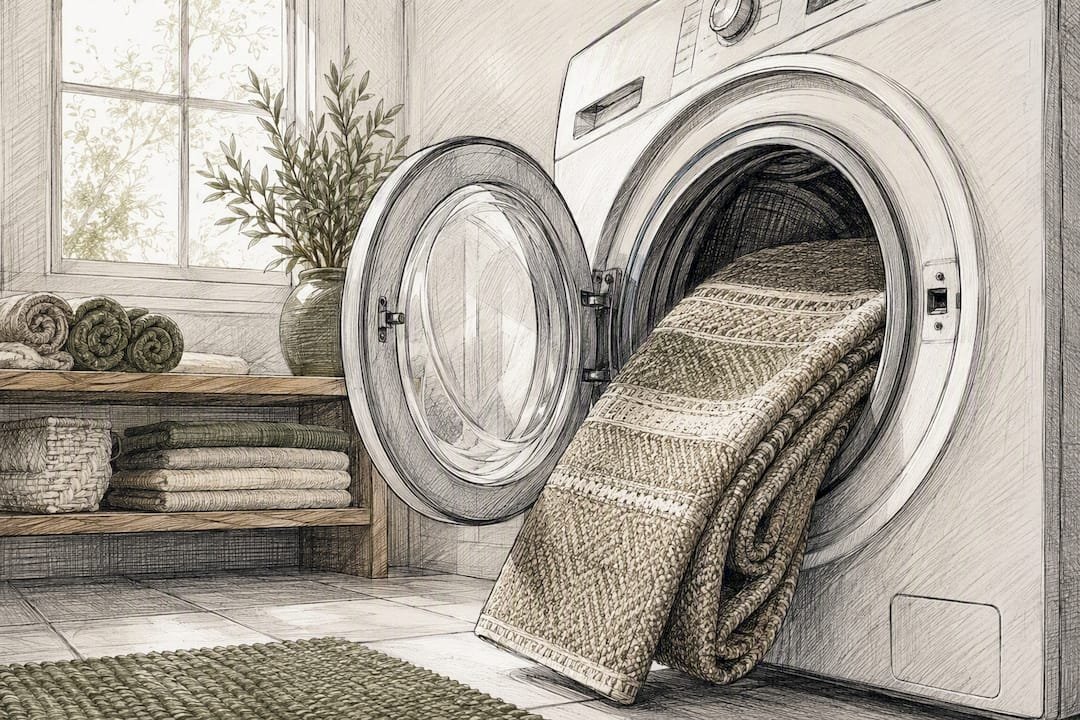
Before buying, check four things on the product page: maximum wash temperature, whether it’s dryer-safe or air-dry only, whether the whole rug washes or just a removable cover, and whether the backing is a non-toxic waterproof material.
Pro Tip: Rugs with a removable cover system are the easiest to maintain long-term. Wash the cover on a cold or warm cycle every few weeks rather than waiting for a visible stain to force the issue. Also check the seller’s return policy. A real satisfaction guarantee signals the company expects the rug to perform, not just look good in photos.
How Can You Stop Cats From Scratching Rugs?
Material choice only goes so far. Changing the behavior itself protects any rug you own.
- Offer a variety of scratching surfaces. The ASPCA recommends providing multiple post types, cardboard, sisal, carpet, and wood, since cats have individual preferences.
- Place posts near the scratch spot, not across the room. A post shoved in a closet gets ignored. One next to the rug’s edge gets used.
- Keep posts sturdy and stable. A wobbly post feels unsafe to a cat mid-scratch, which sends them right back to the rug.
- Add temporary deterrents where needed. Double-sided tape or a vinyl runner turned knobby-side up on vulnerable edges discourages scratching while the new post earns trust.
Pro Tip: Rub a small pinch of catnip into a new scratching post or sisal pad. It speeds up the association between “this surface, not the rug” and gives your cat positive reinforcement, though results vary by cat.
What’s the Best Way to Clean a Cat-Proof Rug?
A simple routine beats reactive scrubbing. Break it into three tiers.
- Daily: vacuum high-traffic zones and run a lint roller over hair-prone spots near favorite napping areas.
- Weekly: do a full deep vacuum and spot-clean any dried debris before it grinds into the fibers.
- After an accident: blot immediately, never rub, then treat with an enzyme-based cleaner formulated for pet stains. Enzyme cleaners break down the proteins that cause odor and staining, unlike bleach or ammonia, which can damage fibers and irritate a cat’s paws and respiratory system.
Check the pad or backing every few months for loose threads where claws have pulled at the edges. Trim stray pulls with scissors rather than yanking them, which can unravel more of the weave. Anchor rugs with a non-slip pad underneath so tugging paws don’t bunch or shift the rug during play.
How Do You Hide Pet Hair and Stains on a Rug?
Color and pattern do more heavy lifting than most buyers realize. Design experts recommend matching a rug’s color to your cat’s fur or choosing tight, multi-colored, repeating patterns, since solid, dark, or single-tone rugs show every stray hair and small accident.
- Multi-colored or tweed-style weaves camouflage shed hair far better than solids.
- Low-pile and flatweave rugs are easier to clean but show hair more; a mid-cut pile in a matched color can hide fur while still vacuuming out easily.
- Place rugs so scratching posts sit at natural traffic entry points, which redirects wear away from the rug’s most visible center.
Pro Tip: If your cat sheds gray or tan fur, skip the pure white rug entirely. A heathered or patterned rug in a similar tone does the disguising for you.
Where Should You Shop for Cat-Proof Rugs?
Once you know the specs to demand, shopping gets a lot faster. On Rugsonlinemarket, filter by machine-washable, low pile, natural or olefin fibers, and non-slip backing to cut the catalog down to rugs that actually fit a cat household. Set a price bracket too, since durability and washability show up at multiple price points, not just the top shelf.
Start with the washable rugs collection for anything going in a living room or bedroom, then check the natural rugs category if you want sisal or jute texture in an entryway or runner for a hallway. Rugsonlinemarket’s own pet rug guidance walks through the same criteria this article covers, room by room.
- Always confirm the care label before buying, not after the first stain.
- Check the return window in case the pile or color doesn’t match your cat’s fur the way photos suggested.
Why Low-Pile, Washable Rugs Are the Better Bet
We lean toward washable, low-pile rugs for most cat households because they solve both problems at once, claws and accidents, without asking you to babysit the rug. A gorgeous shag or delicate wool piece can still work in a room your cat never enters, but for shared living spaces, performance has to come before pure aesthetics.
Find Your Cat-Proof Rug at Rugsonlinemarket
Rugsonlinemarket built its washable and pet-friendly collection around exactly the specs this guide covers: low pile, tight weave, and machine-washable construction, so you’re not stuck cross-referencing five different sites to find a rug that fits your cat’s habits.

Every listing spells out fiber content and care instructions upfront, and orders over $300 ship free, with returns accepted within 30 days if the pile or color doesn’t work out once it’s home. That gives you room to test a rug against your actual cat, not just a photo. Browse the washable rugs collection now and filter by pile height and fiber to find a rug ready for a cat household from day one.
Frequently Asked Questions
Are there rugs that cats truly won’t scratch?
No rug is completely scratch-proof, but tightly woven, low-pile synthetic rugs come closest because claws slide across them instead of catching. Pairing any rug with a dedicated scratching post nearby does more than fiber choice alone.
What’s the best rug size for a dorm room or studio apartment?
Most dorm rooms suit a 5×7 or 6×9 rug that fits under a bed frame or desk without covering the entire floor. In a studio apartment, a slightly larger rug (8×10) helps define separate living and sleeping zones while still fitting a machine washer if it’s a smaller washable style.
Is polypropylene safe for cats?
Yes, quality polypropylene and olefin rugs use non-toxic dyes and backings that are safe for pets to walk and rest on. Always check the product listing for certifications or safety notes if your cat tends to chew on rug edges.
Can you machine-wash an entire large area rug?
It depends on size and washer capacity. Many washable dorm rugs and smaller area rugs fit standard machines, but larger rugs typically use a removable, washable cover system instead of washing the whole piece at once.
Does wool work in a cat household?
Wool holds up reasonably well against light scratching, but it stains more easily than synthetic fibers and usually requires professional cleaning rather than a home wash. It suits rooms your cat visits occasionally rather than daily.
