






How to place persian rug living room?
Persian rugs are more than just floor coverings; they’re artistic treasures that can completely transform a living space. With their rich history, intricate designs, and the ability to add both warmth and sophistication, a Persian rug is an investment in beauty and cultural heritage. However, the impact of a Persian rug truly shines when it’s placed correctly. Correct living room rug placement can significantly influence a room’s aesthetic appeal, comfort, and how the space functions. A well-placed rug can define zones within your living room, anchor furniture, and contribute to overall visual harmony. This guide is designed to help you master living room rug placement and choose the perfect size and arrangement for your space. We’ll dive into rug sizes and explore different placement options to help you create a living room you love.
Rug Size Guide for Living Rooms
Choosing the right size rug is key. The rug size influences the room’s proportions, the furniture arrangement, and the overall look. Before you start shopping for that perfect Persian rug, it’s important to understand standard rug sizes. Knowing the different options available will help you make a smart decision.
Here’s a handy rug size guide for living room:
- Small Rugs: (e.g., 3×5 feet, 4×6 feet) Ideal for defining small seating areas, placing in front of a fireplace, or adding warmth to a specific zone.
- Medium Rugs: (e.g., 5×8 feet, 6×9 feet) Suitable for anchoring a small sofa and coffee table set, or creating a defined space in a moderately sized living room. These rugs are perfect for a cozy atmosphere.
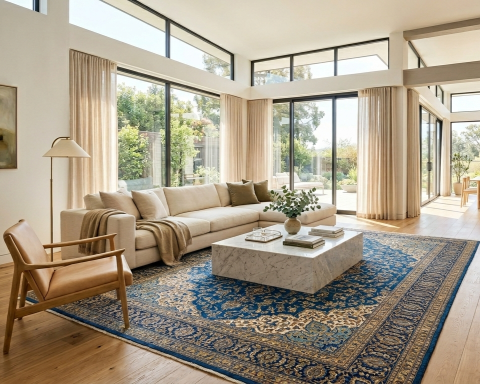
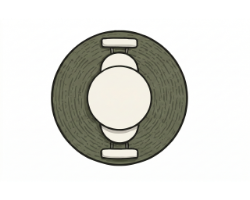
- Large Rugs: (e.g., 8×10 feet, 9×12 feet) Best for anchoring all furniture legs in larger living rooms, creating a unified and spacious feel. All the furniture in the room should be able to sit on the rug.
- Extra-Large Rugs: (e.g., 10×14 feet and larger) Best for really big spaces. This will create a great focal point.
The right rug can really make your space feel balanced. A rug that is too small can make the room look unbalanced. On the other hand, a rug that is too large can overwhelm the space. Consider your furniture, the room’s use, and the layout to pick the perfect size.
Area Rug Under Sofa: Placement Options Explained
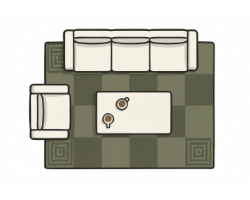
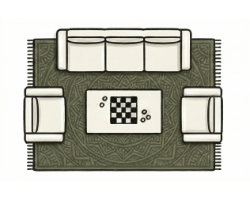
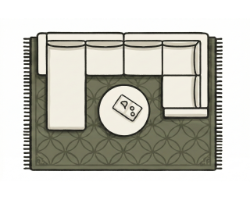
Placing an area rug under sofa is a popular and versatile approach to integrating the rug with your living room furniture. This placement style allows the rug to anchor the seating area and define the space. There are three main options for placing the rug under your sofa.
Here are three main options for area rug under sofa placement:
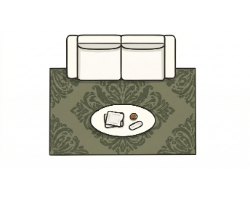
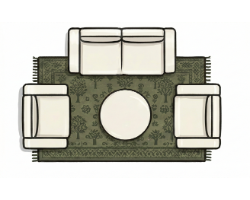
- All Legs On: This option means all front legs of the sofa, and possibly other seating furniture (like armchairs), rest on the rug. This creates a cohesive and unified seating area. It makes the living room feel more spacious and well-defined.
- Pros: Cohesive look and defines the seating area.
- Cons: Requires a larger rug and can be more expensive.
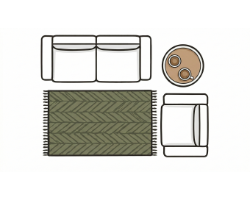
- Front Legs On: Only the front legs of the sofa rest on the rug. This is a popular choice for smaller living rooms or when you want to visually define the seating area without making the rug dominate the space. This is also a cost-effective choice.
- Pros: Visually defines the space. Suitable for smaller rooms. This is the most budget-friendly option.
- Cons: Might not feel as unified as “all legs on.”
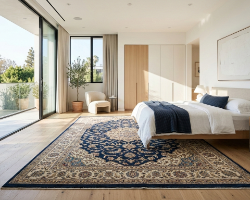
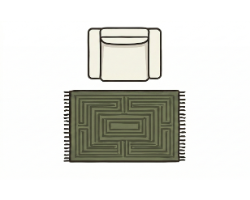
- None On: The sofa is completely off the rug, with the rug positioned in front of it. This can work in smaller rooms or when you want the rug to define the coffee table area or create a visual separation.
- Pros: Good for smaller spaces. Can emphasize the rug’s design.
- Cons: May not anchor the furniture as well.
Consider the size of your room, the size of your sofa, and your budget when choosing the best option for your living room.
Living Room Rug Placement: Factors to Consider for a Harmonious Space
Choosing the right rug and knowing the right placement can make your space feel cozy and inviting. Several factors influence living room rug placement, including room size, furniture layout, traffic flow, and personal preferences. For more information, read our comprehensive guide on Elevate Your Space: A Comprehensive Guide to Persian Rugs and Perfect Living Room Rug Placement Elevate Your Space: A Comprehensive Guide to Persian Rugs and Perfect Living Room Rug Placement.
Here are the important considerations for your living room rug placement:
- Room Size:
- Small Rooms: Use smaller rugs to define the seating area or add a touch of warmth.
- Medium Rooms: Use medium or large rugs with either all or front legs on the rug to anchor the furniture.
- Large Rooms: Use large rugs to create a sense of spaciousness and unity.
- Furniture Layout:
- Seating Arrangement: The rug should anchor the primary seating pieces (sofa, chairs).
- Coffee Table: Make sure the coffee table is either fully on the rug or the front legs resting on it.
- Other Furniture: Integrate other furniture like side tables and ottomans into the rug layout.
- Traffic Flow:
- Pathways: Ensure that the rug doesn’t obstruct the main walkways or doorways.
- Placement around Furniture:** Position the rug to allow comfortable movement around furniture pieces.
Measuring Your Living Room:
- Measure the Length and Width: Measure the total length and width of the living room, considering the walls and built-in features.
- Consider Furniture Placement: Measure the areas where furniture will be placed, allowing for the desired placement options (all legs on, front legs on, etc.).
- Use Painter’s Tape: Use painter’s tape to mark the potential rug sizes on the floor to visualize the impact.
Remember to consider these elements as you plan your space, and you’ll be well on your way to a living room you love.
Layering Rugs: Adding Depth and Texture
Layering rugs is an excellent design technique to enhance a space. It adds visual interest, texture, and warmth to a room. This approach can transform your living room into a stylish and inviting space.
Here are some reasons why layering rugs is great for your space:
- Adding Texture and Depth: Layering creates a more visually engaging and tactile experience.
- Defining Zones: It can delineate different areas within a living room.
- Personalizing the Space: Layering allows for expressing individual style and creativity.
Combining Rug Styles and Textures:
- Base Rugs: Use a neutral-colored, low-pile rug as a base layer.
- Top Rugs: Use a rug with a more vibrant pattern, color, or texture as the top layer (e.g., a Persian Rug).
Placement and Size:
- Size of Top Rug: The top rug should be smaller than the base rug, typically placed partially or fully on top of it.
- Offsetting Rugs: Offset rugs for a more dynamic and less formal look.
- Example Combinations: A neutral jute rug as the base with a Persian Rug on top.
Layering rugs is a fantastic way to introduce unique patterns and textures. It also allows you to experiment with colors and styles, creating a more personalized and layered look. If you’re looking for more information on the art of layering, check out our guide on Mastering Persian Rug Placement: A Guide to Size, Style, and Layering
Choosing the Right Rug for Your Space
The rug you choose can make or break a room. The rug’s material, color, and pattern influence the room’s atmosphere.
Here are the elements that can affect your room’s vibe:
- Material: Material impacts durability, comfort, and the overall look (e.g., wool for warmth and durability, silk for luxury, synthetic fibers for stain resistance).
- Color: Color impacts the mood of the room (e.g., warm colors for coziness, cool colors for spaciousness).
- Pattern: Patterns can add visual interest and personality to the room.
Complementing Existing Decor:
- Consider the Color Palette: Choose a rug that harmonizes with the existing color palette of the room.
- Style of Furniture: Select a rug style that complements the furniture style (e.g., a traditional rug for traditional furniture).
- Balance Patterns: If you have bold patterned furniture, consider a solid-colored rug or a rug with a subtle pattern.
Room’s Lighting and Intended Use:
- Lighting: Natural and artificial lighting can affect rug colors.
- Traffic: Choose durable materials for high-traffic areas.
- Intended Use: Choose a rug that aligns with the intended use of the room (e.g., a plush rug for a cozy living room).
Common Mistakes in Rug Placement: Avoiding Pitfalls
There are some common mistakes when deciding on living room rug placement. Being aware of these errors can help you make informed decisions and create a beautiful and functional space.
Here are common errors people make:
- Incorrect Size: Choosing a rug that is too small or too large is a common mistake (use the rug size guide for living room).
- Solution: Measure the room and furniture carefully. Use painter’s tape to visualize the rug size on the floor.
- Awkward Furniture Arrangements: Arranging furniture awkwardly on or around the rug.
- Solution: Plan the furniture layout before purchasing the rug. Consider the traffic flow.
- Obstructing Walkways: Obstructing main walkways.
- Solution: Ensure the rug doesn’t impede doors or main walkways.
- Ignoring the Room’s Function:** Choose a rug that aligns with the room’s function.
- Solution: Consider the room’s traffic, activity level, and desired atmosphere.
- Overwhelming Patterns: Choosing patterns that overwhelm a space.
- Solution: If using a patterned rug, balance it with solid-colored furniture or walls.
Avoiding these common mistakes ensures you create a living room that’s both stylish and functional. Taking the time to plan your rug placement will help you create a cohesive and welcoming space.
Final Thoughts on Mastering Rug Placement
Choosing the right rug and placing it correctly is important for creating a living room that is both beautiful and functional. Remember that Persian rugs, when placed thoughtfully, can transform a space. This guide has given you the knowledge to confidently select the ideal rug size, and arrange it in a way that complements your furniture, and enhance your living room.
Take the first step today: measure your living room and plan your rug placement! If you’re looking for guidance, remember the rug size guide for living room. By applying these principles, you’ll be well on your way to achieving a harmonious and visually appealing living space.
Do you have any questions about rug placement? Share your experiences and any additional design questions in the comments!
