












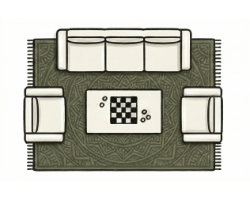
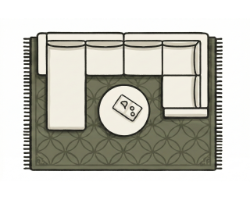
















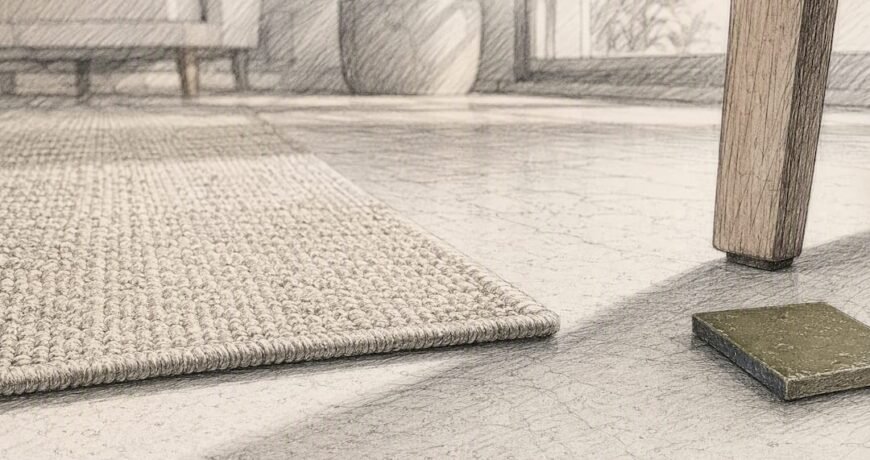
Yes, you can use rugs on radiant-heated floors, but only if you choose breathable, low-profile materials paired with a thin, radiant-rated pad. Skip anything with a rubber or latex backing, favor wool or flatweave over deep pile, and use an open-weave pad or no pad at all.
TL;DR:
- Rugs with a pile height of half an inch or less allow heat to pass through efficiently and prevent insulation that can reduce heating performance.
- Natural fibers like wool, cotton flatweaves, and jute are the safest materials, provided they have no rubber or latex backing that traps heat or off-gasses.
- Keep the combined rug and pad TOG under 2.5, or roughly R-1.0, to ensure radiant heating remains cost-effective and efficient.
- Use thin, open-weave pads specifically designed for radiant heat, avoiding thick, dense, or rubber-backed options that can block heat transfer.
- Cover no more than 40-50% of the heated area to optimize energy efficiency and prevent the system from running longer and hotter than necessary.
Table of Contents
- Best Rugs for Heated Floors: Materials That Work With the System
- Pile Height and TOG Rating: The Numbers That Actually Matter
- Rug Pads for Radiant Heat: What to Use and What to Skip
- How Much Floor Should the Rug Cover?
- Keeping Rugs Safe and Long-Lasting Over a Heated Floor
- A Practical Checklist Before You Buy
- What the Rules Actually Boil Down To
- Where to Find Rugs Built for Radiant Floors
- Sources
- FAQ
Best Rugs for Heated Floors: Materials That Work With the System
Wool wins this category for a simple reason: it moves heat evenly and handles moisture without trapping it against the floor. That hygroscopic quality also cuts the mold risk that comes with warm, slightly humid conditions under a rug. A tight wool flatweave or low-pile wool rug is close to the safest bet you can make.
Cotton flatweaves, kilims, and dhurries perform almost as well. They’re thin, breathable, and cheap to replace if a spot wears out, though they won’t hold up to heavy foot traffic quite like wool. Jute works too, but it’s more fragile and less forgiving of moisture, so it’s better suited to lower-traffic rooms.
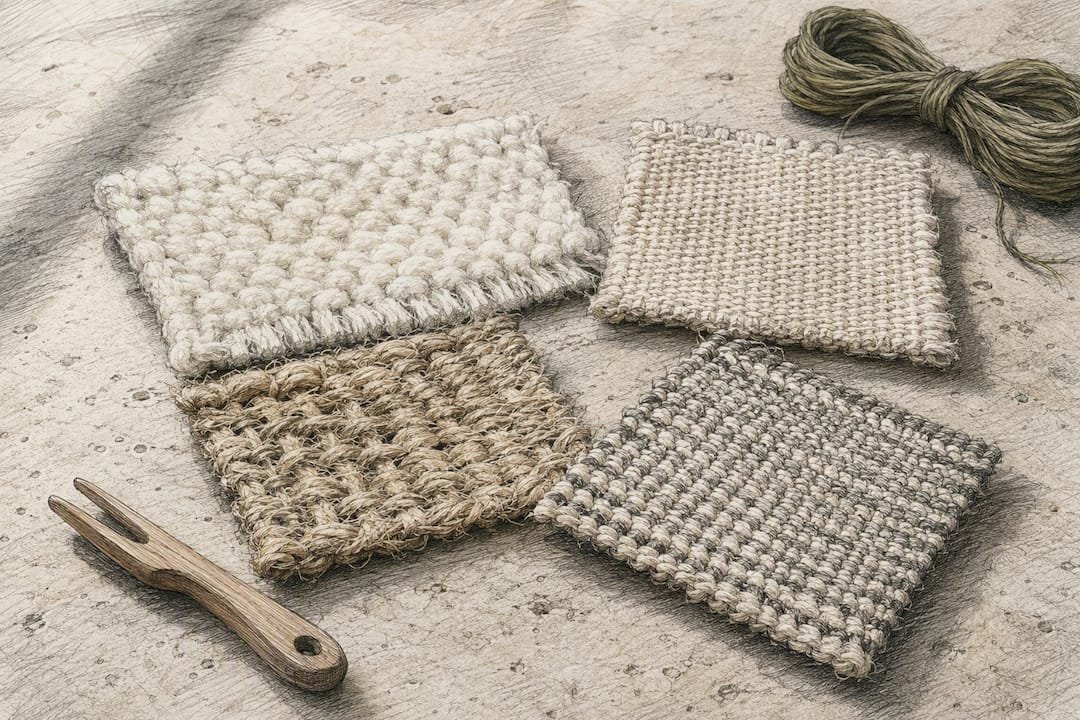
Among synthetics, solution-dyed nylon and polypropylene are the safer choices. They resist heat degradation reasonably well, though they can build static in dry winter air and rarely match the look or hand-feel of a natural fiber.
Avoid these materials on radiant floors:
- Viscose or bamboo silk rugs — they degrade and can discolor under sustained warmth.
- Heavy tufted rugs with thick latex backing — the backing traps heat and can soften or off-gas over time.
- Deep-pile shag rugs in any material — pile height itself becomes the problem, not just the fiber.
Wool, cotton flatweaves, and select synthetics cover nearly every style need without fighting the system underneath them.
Pile Height and TOG Rating: The Numbers That Actually Matter
Pile height directly controls how much heat gets trapped versus released into the room. Flatweaves and low-pile rugs up to about half an inch thick let heat pass through efficiently; anything taller starts acting like insulation, holding warmth in the fibers instead of letting it radiate up.
TOG rating (or R-value, its metric-adjacent cousin) measures exactly how much resistance a textile adds. Design guidance from Kapetto recommends keeping the combined rug-plus-pad tog under roughly 2.5, or about R-1.0. Cross that threshold, and your radiant system has to run longer and hotter to hit the same room temperature, which shows up as higher utility bills over a heating season.
Statistic Callout: WarmlyYours notes that TOG is one of the most useful compatibility metrics available, yet most rug manufacturers never publish it on the product page.
When a listing doesn’t include a TOG number:
- Email or call the manufacturer directly and ask for it by name.
- Use pile height and weave density as a rough stand-in. Thin, tight flatweaves almost always land under the 2.5 tog ceiling; anything plush or heavily backed probably won’t.
- Ask customer service teams for guidance on specific styles if the spec sheet is silent.
Rug Pads for Radiant Heat: What to Use and What to Skip
The pad matters as much as the rug. A thin, open-weave polyester pad, typically 1/8 to 3/16 inch thick, provides grip without acting as an insulating layer. Radiant-rated pads are engineered to transmit the vast majority of heat while still keeping your rug from sliding, and dedicated radiant-heat pad collections exist specifically for this purpose.
Skip these entirely:
- Full rubber or natural latex pads — they soften and become tacky under sustained warmth, sometimes bonding to the floor finish.
- PVC-backed pads — similar heat sensitivity, with a higher risk of off-gassing indoors.
- Thick felt or dense memory-foam-style pads — they can add half a tog to a full tog of resistance on their own, pushing an otherwise fine rug over the recommended limit.
- Generic adhesive tapes — most aren’t rated for sustained floor heat and can leave residue or damage the finish.
Before committing to a pad, run a short trial: lay it down with the heat on for a few days, then lift a corner and check for tackiness, warping, or any change in the floor’s finish underneath. Some ultra-thin flatweaves grip well enough on their own texture that no pad is needed at all.
Pro Tip: If your rug is under a quarter inch thick and made of tightly woven wool or cotton, try it without a pad first. You may not need one, and skipping it removes an entire layer of thermal resistance from the equation.
How Much Floor Should the Rug Cover?
Coverage is where most people get radiant-heated flooring wrong, and understanding how new interior doors improve energy efficiency in older Portland homes can offer further insights into optimizing household heating systems. Design experts recommend keeping rug coverage to roughly 40-50% of a heated zone, because covering more forces the system into longer, hotter cycles to compensate for the blocked heat output.
A few layout habits protect efficiency without sacrificing style:
- Leave at least 6 to 12 inches of exposed floor around the rug’s perimeter so heat can escape freely.
- Never position a rug directly over a floor sensor or thermostat wire location. Check your installation plans before placing anything larger than a runner.
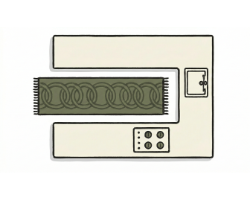
- Favor several smaller rugs over one oversized statement piece. It balances heat distribution better across a room and reduces the odds of tripping extended heating cycles.
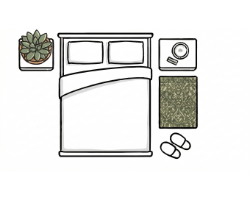
- In bedrooms, a runner along each side of the bed covers far less floor than a single large rug centered under the frame. Our guide to bedroom rug layouts walks through sizing options that stay well under the coverage ceiling.
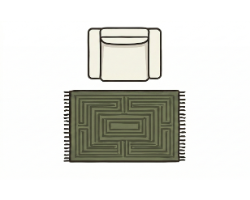
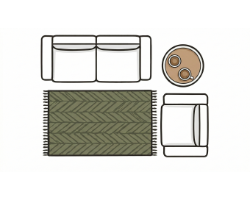
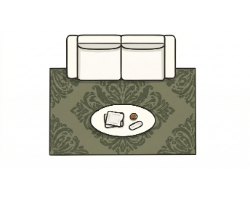
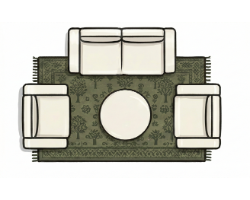
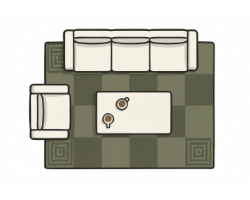
- In living rooms, a floating rug that stops short of the walls, rather than one that runs wall to wall, keeps perimeter airflow intact. See our notes on living room rug sizing and placement for exact measurements by room size.
Higher-conductivity systems like some low-mass installations tolerate a bit more coverage without much performance loss, but even then, manufacturer guidance should override any general rule of thumb.
Keeping Rugs Safe and Long-Lasting Over a Heated Floor
Sustained warmth ages certain rug components faster than normal, so a periodic check matters more here than on unheated floors. Watch for a tacky feel on the underside, sticky residue left behind on the flooring, or any yellowing or discoloration where the rug sat. Any of those signs mean the backing is breaking down and it’s time to swap the rug or the pad.
- Wipe residue off the floor promptly with a mild cleaner suited to your flooring material before it hardens or discolors the finish.
- Vacuum regularly and manage indoor humidity to cut down on static buildup, especially with synthetic fibers.
- Rotate or briefly remove rugs each season, giving the floor finish a chance to air out and letting you inspect both surfaces.
- Check the rug’s product specs and your radiant system’s warranty terms before assuming any rug is fair game.
Pro Tip: If you’re ever unsure whether a specific rug or pad combination is safe for your system, contact the radiant-floor manufacturer directly. A five-minute call beats replacing a damaged floor finish.
A Practical Checklist Before You Buy
Run through this on any product page before adding a rug to your cart: fiber content (wool or cotton flatweave preferred), pile height (under half an inch), backing type (no rubber or latex), pad compatibility (thin, open-weave, radiant-rated), and published TOG or R-value if available.
Rugsonlinemarket’s natural rug collection leans heavily on wool, cotton, and other low-pile natural fibers that fit this exact profile. Every order over $300 ships free, and returns are accepted within 30 days if a rug doesn’t work out once it’s on your floor. If a listing doesn’t show pile height or backing material clearly, our customer service team can answer spec questions before you buy.
What the Rules Actually Boil Down To
Most advice on this topic treats radiant-floor compatibility like a mystery when it’s really a math problem: fiber, thickness, backing, and coverage, each with a rough numeric limit. They’re the two numbers that determine whether your system runs efficiently or fights against a rug all winter.
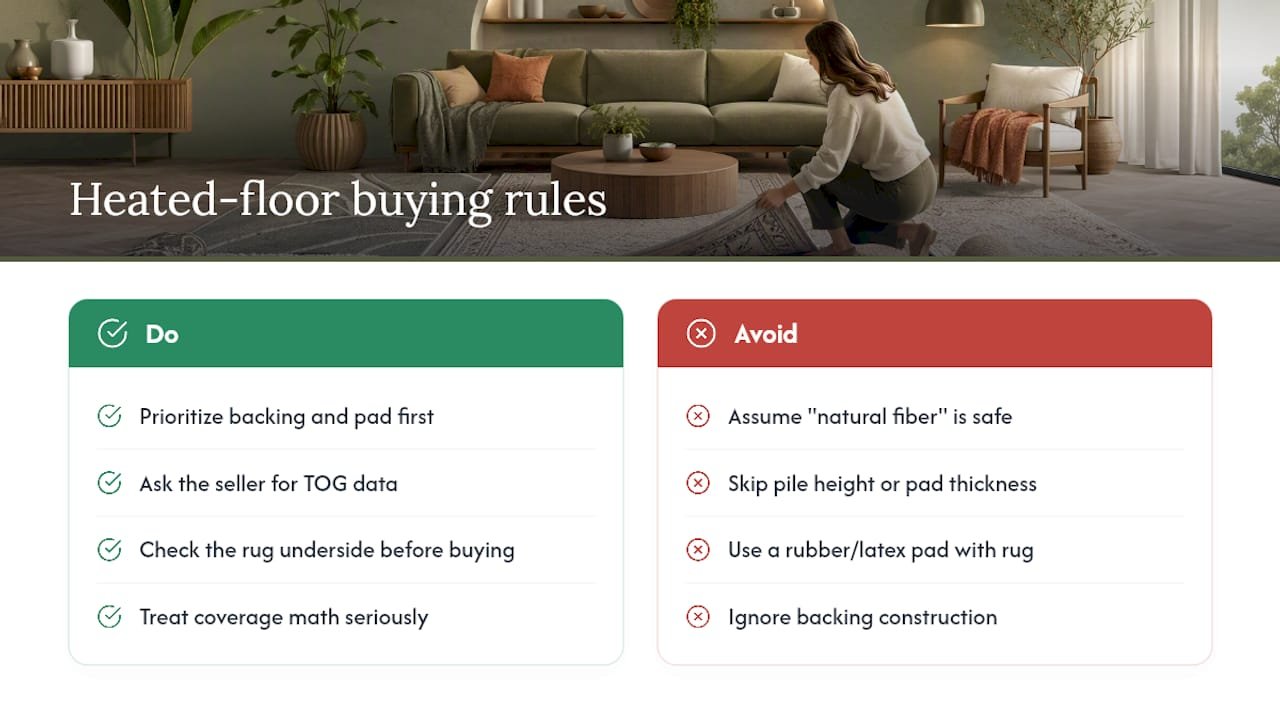
Where conventional advice falls short is in treating “natural fiber” as a blanket green light. Wool is excellent, but a thick wool shag with a latex backing fails the same test a cheap synthetic would. Fiber matters less than construction and backing, and too many buying guides skip straight to material without mentioning pile height or pad thickness at all.
If you take one thing from this, prioritize the backing and pad before the fiber. A gorgeous wool rug ruined by a rubber pad is still a ruined rug. Ask for TOG data, check the underside before you buy, and treat coverage math as seriously as color and pattern.
— Kian
Where to Find Rugs Built for Radiant Floors
Rugsonlinemarket’s natural-fiber selections are built around exactly the profile this guide recommends: low-pile wool, cotton flatweaves, and jute blends that stay well under the 2.5 tog ceiling without giving up on style. You won’t find heavy latex backings or deep shag piles cluttering the natural rugs category, because those styles simply don’t belong on a heated floor.

If easy cleaning is a priority alongside thermal safety, the washable rug collection offers low-pile options that hold up to spills without demanding a thick pad underneath. Runners from the runner rug category are also worth a look for hallways and bedside placement, since their narrow footprint naturally keeps coverage well under the 50% mark.
Shipping and return policies vary by retailer. Browse natural rug collections and reach out to customer service with your floor’s specs if you want a second opinion before you buy.
Sources
- Radiant Heat and Rugs | Warmboard Inc
- Rugs on Radiant Heated Floors: What You Need to Know | Kapetto
- Rug Pads for Radiant Heat Floors
FAQ
What type of rug is best for heated floors?
Low-pile wool or tight cotton flatweaves work best, since they resist heat damage, manage moisture well, and stay under the recommended 2.5 tog combined thermal resistance limit.
Is it okay to put rugs on heated floors?
Yes, as long as you choose breathable, low-profile materials, avoid rubber or latex backings, and limit total coverage to roughly 40 to 50% of the heated area (source).
What type of rug is best for underfloor heating?
Wool and natural flatweaves such as cotton or jute perform best, while deep-pile shag rugs and viscose or bamboo silk should be avoided because they trap heat or degrade under sustained warmth.
What types of rugs are suitable for underfloor heating?
Suitable rugs are thin, natural-fiber flatweaves or low-pile wool pieces under about half an inch thick, paired with a radiant-rated pad no thicker than 3/16 inch, or no pad at all if the weave is tight enough to grip on its own.
