
























































The best washable runner rug is a low-pile, flatter-weave polyester or cotton-blend runner in the right length for your space, with a non-slip pad or backing that you can actually fit in your washer. Pick on those four things and style becomes the easy part. Below we compare the main ways to buy a washable runner, explain what to check before you order, and show where our own runner collection fits.
Key Takeaways
- Low pile or flatweave runners handle hallway traffic best, and polyester is stain- and fade-resistant and machine washable, according to Apartment Therapy’s editor testing.
- Check your washer before you fall for a design. Most home machines handle roughly 20 to 25 pounds, and big rugs often need a laundromat’s industrial machine.
- Standard hallway runners are 2 to 3 feet wide. Leave about 4 to 8 inches of bare floor on each side.
- Two-piece systems (a washable cover over a pad) are lighter to wash, while one-piece rugs are simpler to lay down.
- Washable is not the only way to get a tough runner. A natural-fiber or handmade runner can be the better long-term buy in a low-spill hall.
Table of Contents
- What makes a runner “washable”
- Which runner length and width fit your space
- What to compare before you buy
- Comparing your options
- Best washable runners by situation
- How to wash a runner without ruining it
- Our perspective
- Shop runners at Rugs Online Market
- FAQ
- Sources
What makes a runner “washable”
A washable runner is one you can clean at home in a washing machine instead of sending it out or scrubbing it on the floor. That sounds simple, but the label covers three different builds.

Single-piece washable rugs. The pile and the backing are one unit. They are easy to lay down, but heavier and bulkier in the machine.
Two-piece systems. A thin washable top sits on a separate pad. Wirecutter’s area rug testing notes that Ruggable offers thin flatwoven rugs alongside thicker tufted all-in-one rugs, and that the flatwoven styles come with a choice of standard or cushioned pad. The thin top is the part you wash.
Thin flatwoven or printed polyester runners. These are lightweight, usually inexpensive, and fit in a home machine. They have less cushion, so most people add a pad.
Whichever you buy, the care label decides. Apartment Therapy’s guidance is to read the rug’s care instructions and check your washer’s capacity, and that lightweight flatwoven styles are easier to wash. Care may include cold, gentle washing and air-drying or tumble-drying on low.
Which runner length and width fit your space
Most buyers get the size wrong before they get anything else wrong. A runner that is too short looks like a doormat and drifts out of position.
Standard hallway runners run 2 to 3 feet wide and 5 to 14 feet long, per Homenish’s hallway runner size guide. The same guide suggests a gap of 4 to 8 inches between the runner and the walls, with around 5 inches the sweet spot. For a kitchen or short hall, 2.5 by 7 feet is the conventional size.
A quick way to size a hallway runner
- Measure the hall’s length and width in inches.
- Subtract about 10 inches from each. That is your target runner size, leaving roughly 5 inches of floor on each side and at each end.
- Round down to the nearest standard size. A 30-inch-wide hall of 120 inches long points you to a runner near 20 by 110 inches, so a 2 by 8 or 2.5 by 9 is the realistic buy.
- Lay painter’s tape on the floor at that size for a day before you order.
For the same tape-out method applied to every room, see our rug size rules, room by room, or the rug size chart if you want the common dimensions side by side.
Extra long and oversized runners
Long hallways and open-plan walkways are where washable runners get tricky. A 12 or 14 foot runner is a heavy, folded mass when wet. Two sensible workarounds:
- Choose a two-piece system, where only the thin top goes in the machine.
- Use two shorter runners end to end if the pattern allows, so each piece fits your washer.
Rugs of 6 by 9 feet or larger often need the 60-pound industrial washers found at laundromats, according to Apartment Therapy’s reporting. Many extra long runners are lighter than that, but weigh the rug mentally before you commit.
What to compare before you buy
Pile height and construction
For high traffic, compare low-pile or flatweave construction. Low pile does not snag on door bottoms, sheds dirt faster in the wash and lets doors swing freely. Good Housekeeping’s testers found a flatter-pile runner suited to hallways and kitchens, and noted that low-pile polyester chenille runners can suit high-traffic areas.
Plush shag runners feel lovely beside a bed, but they trap crumbs and pet hair in a hallway and are the hardest style to wash.
Material
Polyester dominates washable runners for a reason: it resists stains and fading and survives repeated washing. Cotton blends feel softer and more natural but can take longer to dry and may shrink if the label says so. Wool and silk are not machine-washable materials at all, which matters if you are comparing a washable runner against a premium one.
Backing and pad
A runner that slides is a fall risk. A non-slip pad can help keep a two-piece rug in place, and a rubberized or TPR backing does a similar job on single-piece rugs. Rubber backings can age in a hot dryer, so follow the drying instructions. If you are laying a runner over carpet or hardwood, our guides on stopping a rug from slipping and choosing a pad for carpet cover the details.
Certifications
If sourcing matters to you, Apartment Therapy notes shoppers may look for Fair Trade, GOTS or GoodWeave labels. Fair Trade concerns safe working conditions, GOTS covers organic textiles, and GoodWeave addresses child labor. Most budget polyester runners carry none of these, so ask before assuming.
Comparing your options
The washable runner market splits into a few types of buyer. This table compares them on what matters in a hallway.
| Option | Best for | Strengths | Trade-offs |
|---|---|---|---|
| Two-piece washable system (Ruggable-style) | Long hallways, families, pets | Thin top is easy to wash; wide range of designs; pad choice | Needs a pad; more parts to buy and replace |
| Single-piece washable polyester runner | Kitchens, laundry rooms, rentals | Simple, light, usually the lowest price | Less cushion; quality varies a lot by seller |
| Designer washable collections (for example Loloi x Magnolia Home) | Styled living spaces and entry halls | Designer patterns; low pile | Check size range, since runner sizes can be limited |
| Tumble-style washable rugs | Buyers who want a tested top pick | Southern Living’s testers named it top overall, with runner sizes available | Check current price and washer fit |
| Handmade or natural runners from Rugs Online Market | Low-spill halls, entries, long-term investment | Wool, cotton and natural fibers; distinctive styles you will not find at big-box stores | Not machine washable; spot clean or professional cleaning |
We are upfront about the last row. If your hallway is where muddy boots, a dog and a toddler all meet, a washable polyester runner is the practical call. If your hall is a quieter, cleaner space, a handmade runner will usually outlast several washable ones and look better doing it.
On prices, we do not quote competitors’ numbers here because they move with sales and size. Check the brand’s own page for the current figure and compare cost per year of use, not sticker price. Budget single-piece runners and premium two-piece systems sit at very different price points, and the gap is mostly the pad, the weave and how many replacement tops you plan to buy.
Best washable runners by situation
Narrow hallways with heavy traffic
Choose a 2 by 8 or 2.5 by 9 foot low-pile polyester or flatweave runner with a firm non-slip layer. A busy pattern hides the dirt between washes, and a darker multicolor vintage-style print is the classic choice.
Kitchens and laundry rooms
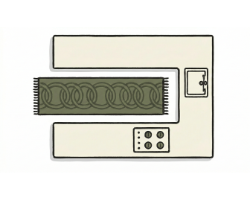
A 2.5 by 7 foot runner is the conventional size here. Pick a flat weave so dropped food wipes off and chairs and cabinet doors clear it. Our kitchen rug ideas page shows how to place one along a counter or sink run.

Stairs
Stair runners are a specific job. Washable versions are sold, but the runner must be fixed securely with proper stair hardware, never loose. Length depends on your tread count and rise, which is why we wrote a guide to how long a stair runner should be and a gallery of stair runner ideas. Do not use a loose hallway runner on steps.
Entryways
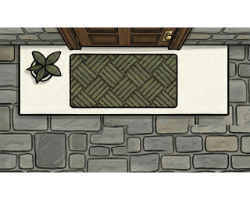
The entry takes the worst of the dirt. A washable runner here earns its keep, and you can pair it with a doormat outside. Our entryway rug ideas page sets out minimum sizes that look right.
Washable round rugs
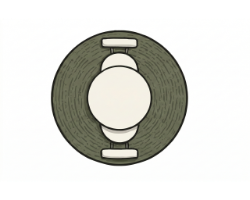
People who search for washable runners often look at washable round rugs too, and they solve a different problem. A round rug suits a breakfast nook, the space beneath a small table, an entry with a round table, or a child’s play corner. The same buying rules apply: low pile, a non-slip layer and a size that fits your washer. Round rugs can be awkward to fold, so a two-piece system or a lighter flatweave is easier to handle. If you want a round rug without the washing requirement, browse our round rug range from the main shop.
How to wash a runner without ruining it
Beyond the care label, a few habits protect the rug and your machine.
- Weigh and measure first. Check capacity before you try. Most home machines handle 20 to 25 pounds. Forcing a rug in can damage the drum and the rug’s backing.
- Shake and vacuum. Remove grit before it gets into your washer.
- Wash cold and gentle, unless the label says otherwise, and skip fabric softener, which can coat fibers and degrade backings.
- Dry as directed. Air-drying or a low tumble is the usual advice. Hot dryers can warp rubber backing.
- Lay flat and flatten creases before it goes back down, so the edges do not curl.
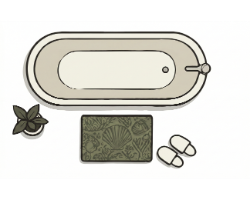
If you want a refresher on a related job, this guide to washing bathroom rugs correctly covers cycle settings and drying in plain terms. For our own take on matching a rug to your washer, read washable rug care for families.
Our perspective
We sell rugs of every construction, so we have no reason to push a washable runner where it does not belong. Washability is a real benefit in the right place: entries, kitchens, laundry rooms, kids’ areas and homes with pets. It is not a quality marker by itself, though.
The mistakes we see most are the same ones. Shoppers buy a runner that is too short. They fall for a design without checking whether it fits the washer. Or they put a thick pile in a hallway that needs a flat one. Measure first, tape the footprint out, and decide how much cleaning you are willing to do.
Where a hall is high-traffic but not a constant mess, we often steer people to a tight-weave handmade or natural runner, with a good pad underneath. You get a rug that ages well and can be professionally cleaned when it needs it. Where mess is the daily reality, a washable runner is the sensible tool. Our guide to washable rugs for every room and our list of washable alternatives lay out both routes.
— ROM team
Shop runners at Rugs Online Market
When you have your measurements, our runner rug collection lets you browse by length, style and material in one place. You will find traditional, Persian, Oushak, Moroccan, Turkish, Kilim and modern designs, plus natural-fiber and handmade options you will not usually see at big-box retailers.

Orders over $300 ship free, returns are accepted within 30 days, and our team can help you pick a size and weave for your hallway. If you are furnishing an entry, office or small commercial space, take a look at our handmade rugs and natural rugs too.
FAQ
Can you put a runner rug in a regular washing machine?
Often yes, if it is a lightweight flatwoven or thin two-piece top and the care label allows it. Most home washers handle about 20 to 25 pounds, so check the rug’s weight against your drum. Larger and heavier rugs may need a laundromat’s industrial machine.
What pile height is best for a hallway runner?
Low pile or flatweave. It handles foot traffic, vacuums easily, washes more cleanly and does not catch on doors. Save plush and shag for bedrooms, where traffic is light.
How long should a hallway runner be?
Measure the hall, then subtract about 10 inches from the length and width so you leave roughly 4 to 8 inches of bare floor at each side and end. Standard runners are 2 to 3 feet wide and run from 5 to 14 feet long.
Do washable runners need a rug pad?
Thin washable rugs generally do. A non-slip pad keeps the runner from sliding and adds cushion. Two-piece systems include a pad in their design, and some single-piece rugs have a rubber backing instead.
Are washable runners good for pets and kids?
They are one of the best fits. Polyester resists stains and fades slowly, and you can launder away accidents. Choose a low pile so claws do not snag, and a pattern that disguises dirt between washes.
Sources
- The Best Washable Rugs of 2026, Apartment Therapy
- 8 Best Washable Rugs That Are Stylish and Easy to Clean, Good Housekeeping
- The 12 Best Area Rugs of 2026, Wirecutter
- Hallway Runner Sizes, Homenish
- The 12 Best Washable Rugs, Southern Living
