

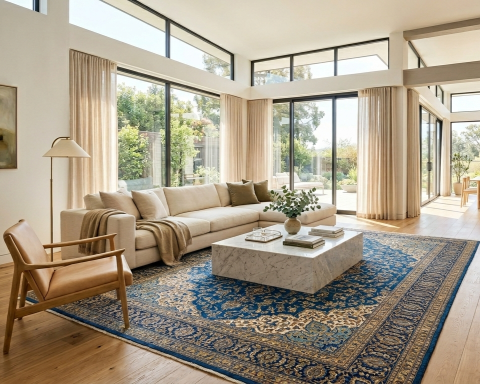
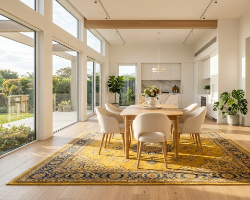
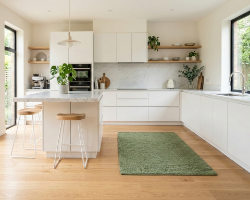
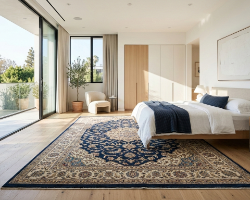
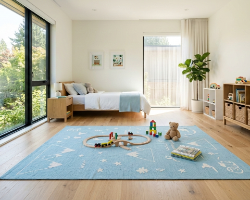
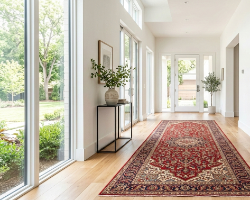
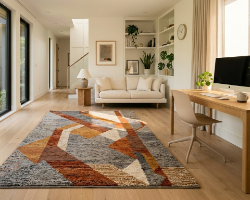
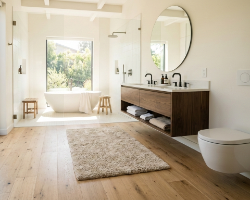





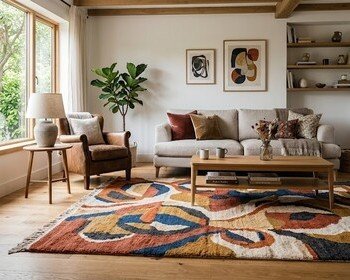
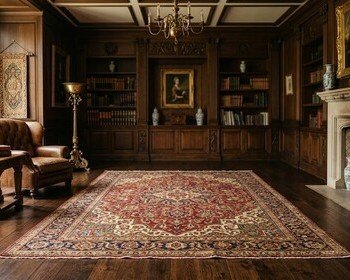
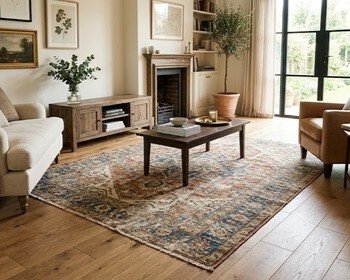
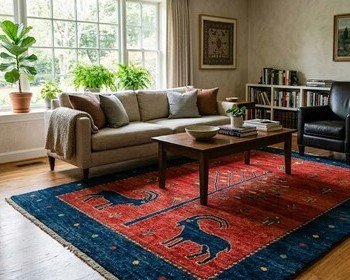
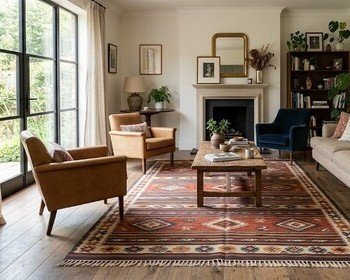
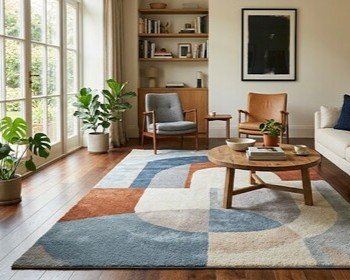
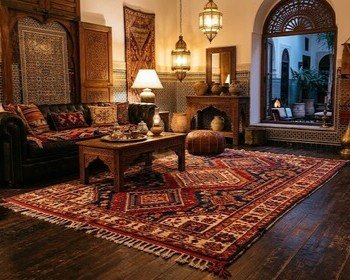
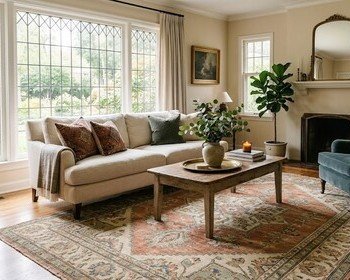
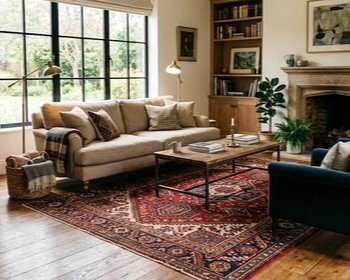
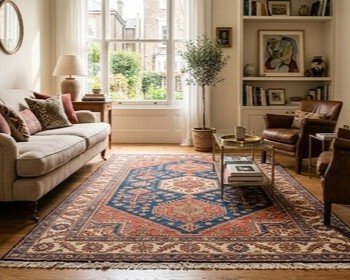
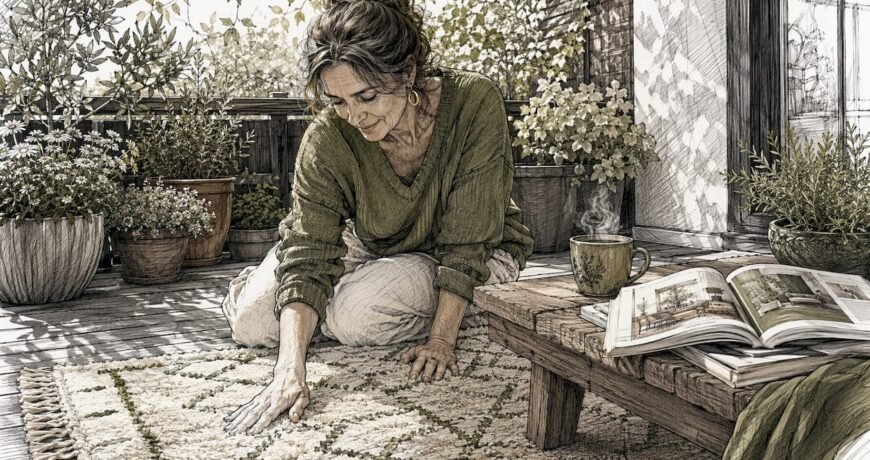
The best luxury rugs in 2026 come from a short list of brands that consistently deliver on material quality, craftsmanship, and design: Loloi, Safavieh, Hook & Loom, Nordic Knots, and Revival lead the field, with standout individual pieces like the Revival Ombre Wool Rug in Dawn and the Annie Selke Poppy Multi Handwoven Rug earning serious attention from designers. Whether you want a hand-knotted wool statement piece or a washable option that holds up to real life, the right pick depends on where the rug lives and what you’re willing to maintain.
The comparison below covers the full range of featured options across material, style, durability, and maintenance so you can match the right rug to your space without guesswork.
| Rug | Best For | Material | Style | Durability | Maintenance |
|---|---|---|---|---|---|
| Loloi | Diverse design aesthetics | Wool, synthetic blends | Contemporary, transitional | High | Moderate |
| Safavieh | Classic to contemporary luxury | Wool, silk, cotton | Heritage-inspired, modern | High | Moderate |
| Hook & Loom | Sustainable flatweave buyers | Eco cotton | Casual, minimalist | Very high | Easy |
| Nordic Knots | Minimalist, natural aesthetics | Jute, natural fibers | Simple, Scandinavian | High | Moderate |
| Rugs USA | Accessible luxury, washable styles | Wool, synthetic | Varied, designer-led | Moderate–High | Easy to moderate |
| Safavieh Rag Rug | Artisan style, bold color | Cotton rags | Colorful, handcrafted | Moderate | Easy |
| Hook & Loom Flatweave Eco Cotton Rug | Eco-conscious flatweave | Eco cotton | Casual, textured | Very high | Easy |
| Dash & Albert Herringbone Woven Cotton Rug | Casual elegance | Cotton | Classic herringbone | Moderate–High | Easy |
| Revival Ombre Wool Rug – Dawn | Contemporary plush comfort | Wool | Artistic ombre | High | Moderate |
| Annie Selke Poppy Multi Handwoven Rug | Bold color, artisan craft | Wool | Vibrant, handwoven | High | Moderate |
| Rugs USA Softest Knit Wool Rug | Cozy bedrooms, living rooms | Knit wool | Soft, modern | High | Moderate |
| Revival Hart Jute Rug | Eco-friendly high-use areas | Jute | Earthy, casual | Very high | Easy |
| Nordic Knots Jute Cross Rug | Minimalist, sustainable | Jute | Subtle cross pattern | High | Easy |
| Revival Record Washable Rug | Luxury with washable ease | Wool | Stylish, modern | High | Very easy |
A few of these deserve more than a table row. Loloi’s designer collaboration model, which has included names like Joanna Gaines, gives it an unusually wide design range at price points that span accessible to genuinely upscale. Safavieh’s heritage runs deep: the brand’s hand-knotted and hand-tufted collections draw on decades of Persian and European weaving traditions, and the Safavieh Rag Rug specifically shows how artisan construction can produce something colorful and tactile without sacrificing durability. The Revival Record Washable Rug solves a real problem. Wool and machine-washable rarely appear in the same sentence, and Revival pulls it off with a design that looks like it belongs in an interior design shoot.
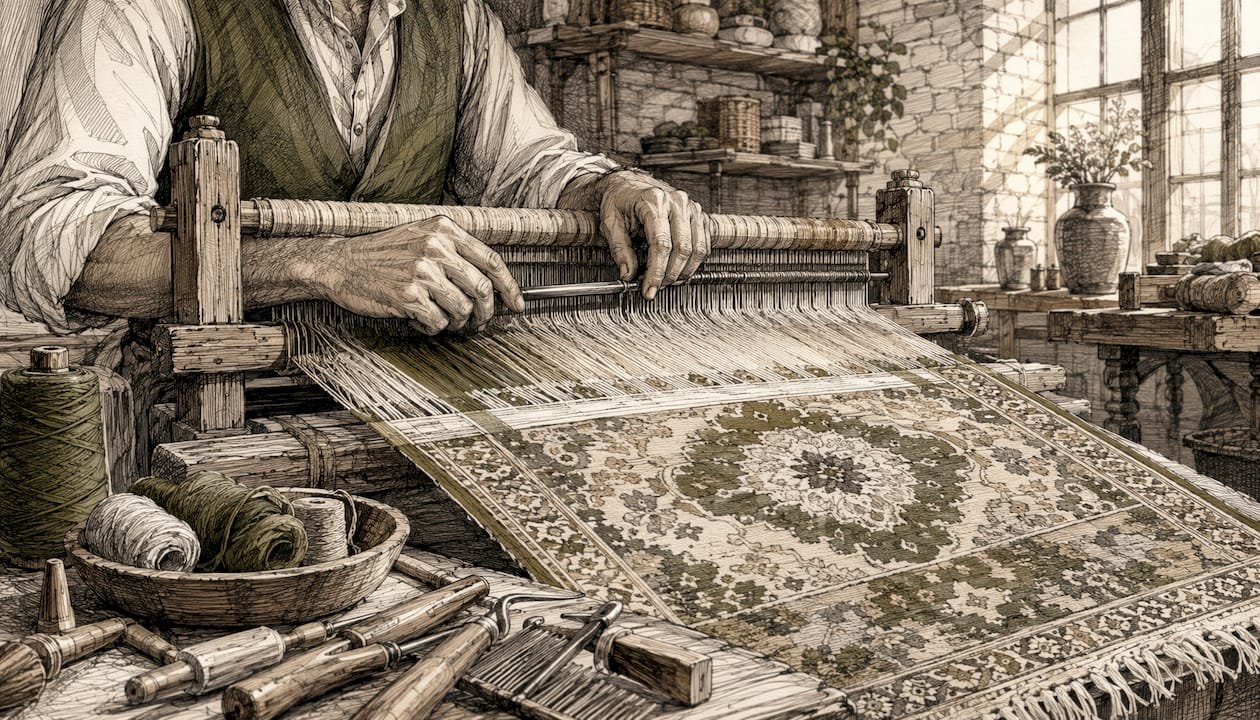
What materials actually define a luxury rug?
Material is where luxury rugs earn or lose their price tag. The fiber determines how a rug feels underfoot, how long it lasts, and how much work it takes to keep it looking good.
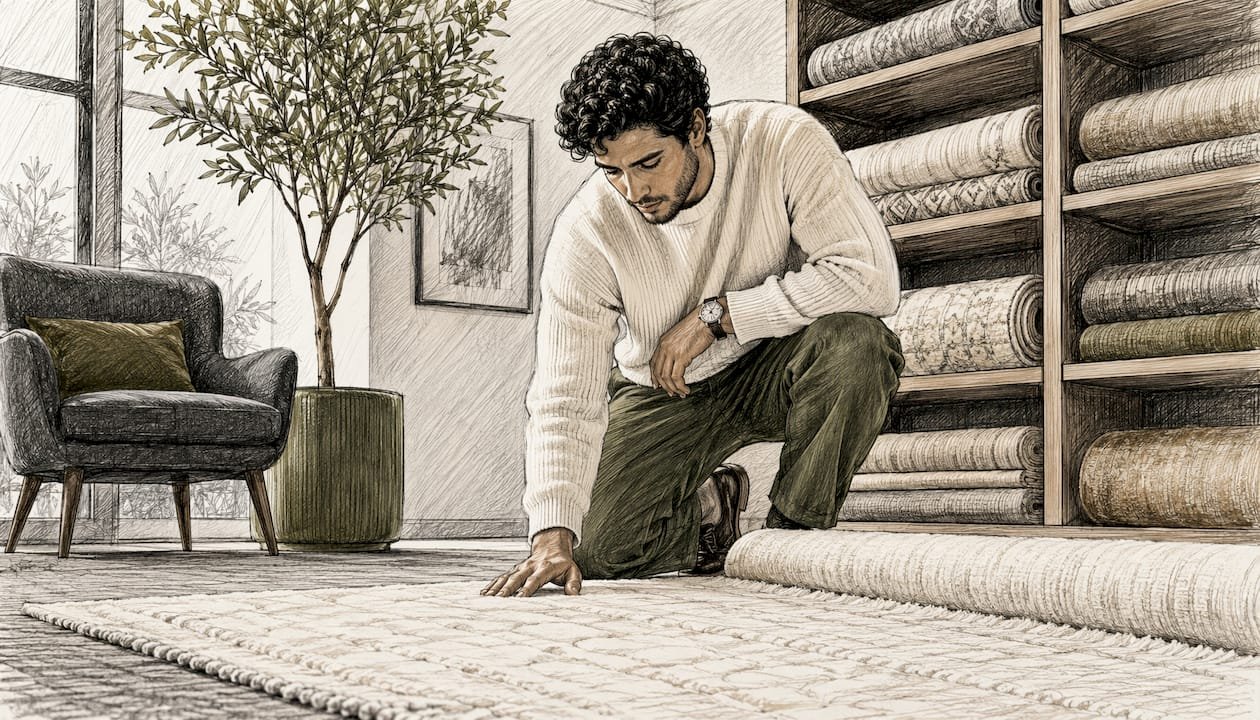
Luxury wool from New Zealand or the Himalayas is the gold standard for hand-knotted and hand-tufted rugs. These wools shed less than lower-grade alternatives and produce fibers that hold their shape under heavy foot traffic. Chinese mulberry silk, used in the finest handmade pieces, adds a luminous sheen and an almost impossibly soft hand feel. It’s not a practical choice for a dining room, but in a bedroom or formal sitting room, it’s unmatched.
Jute and cotton occupy a different tier but still belong in the luxury conversation when the construction is right. Jute is tough and carries a natural, earthy texture that works well in casual or organic interiors. Cotton, especially in flatweave construction, is softer and easier to clean, which is why brands like Hook & Loom and Dash & Albert lean on it for their most practical offerings. The Hook & Loom Flatweave Eco Cotton Rug and the Dash & Albert Herringbone Woven Cotton Rug both demonstrate that cotton flatweaves can be seen as refined rather than utilitarian when the pattern and color are well chosen.
Here is a quick breakdown of how the main materials stack up:
- New Zealand or Himalayan wool: Low shedding, strong fibers, excellent longevity, best for living rooms and bedrooms
- Chinese mulberry silk: Maximum softness and luster, suited for low-traffic formal spaces
- Jute: Durable, eco-friendly, earthy texture, ideal for casual or high-use areas
- Eco cotton (flatweave): Soft, easy to clean, sustainable, great for flatweave styles in any room
- Knit wool: Innovative construction, plush underfoot, seen in pieces like the Rugs USA Softest Knit Wool Rug
Pro Tip: Match your material to your traffic level before you fall in love with a design. A mulberry silk rug in a hallway will show wear within a year. Save the silk for the bedroom and put a natural fiber rug in the high-use zones.
How do design style and sizing shape the final look?
Getting the design right is half the battle. Getting the size wrong undoes all of it.
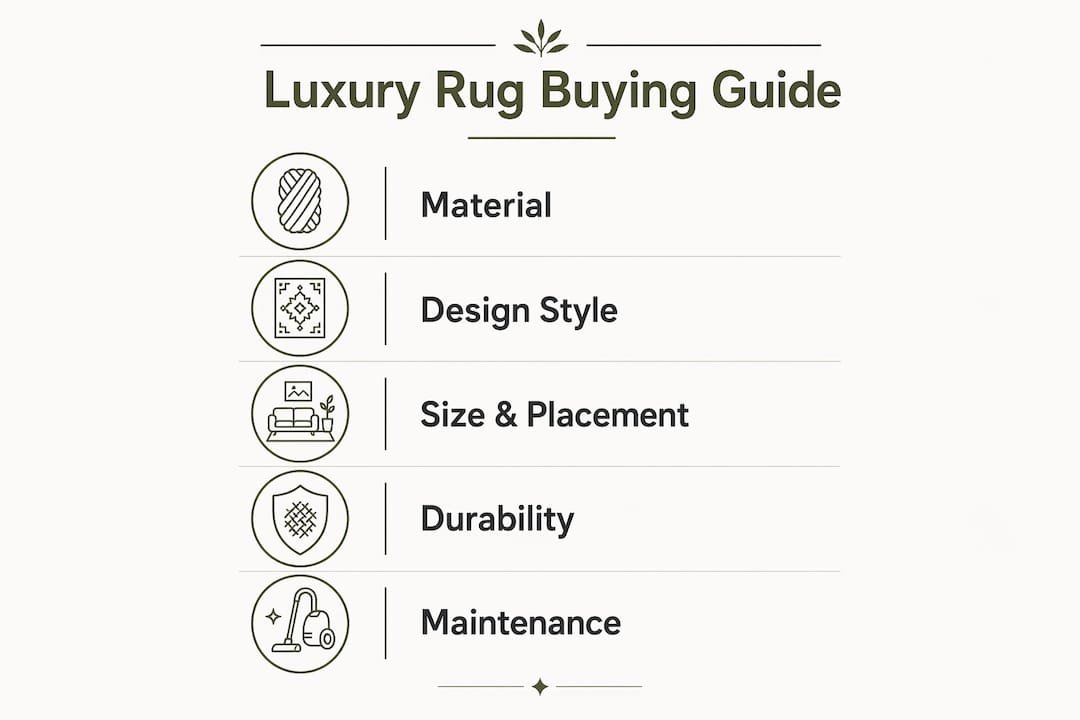
Popular luxury rug styles in 2026 span vintage-inspired patterns, modern geometric prints, Moroccan motifs, animal prints, and monochromatic neutrals. Each serves a different room personality. Vintage-inspired pieces like the Revival Ombre Wool Rug in Dawn work well in rooms that already have some age or warmth to them: dark wood furniture, layered textiles, warm lighting. Modern geometric patterns, which Loloi executes particularly well across its designer collections, suit cleaner contemporary spaces where the rug is meant to be the focal point rather than a background layer. Moroccan and tribal patterns, common in Nordic Knots’ jute offerings, read as casual and grounded, fitting for a study or a relaxed living room.
Color coordination matters more than most buyers expect. A rug doesn’t need to match the room; it needs to connect the room. Pull one secondary color from your upholstery or drapery and find it in the rug’s palette. The Annie Selke Poppy Multi Handwoven Rug does this well for buyers who want bold color: its multi-tone design gives you several anchor points to work with across a room’s existing palette.
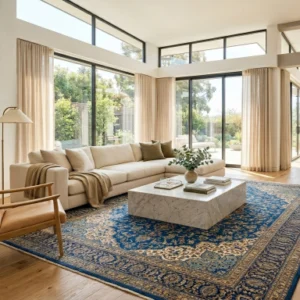
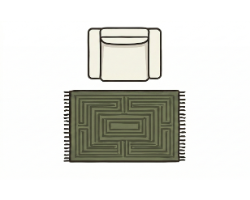
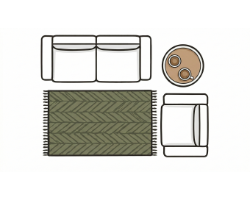
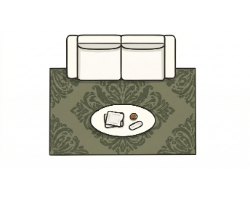
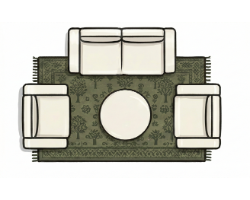
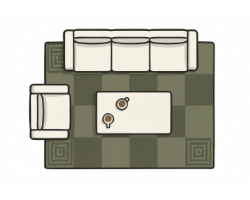
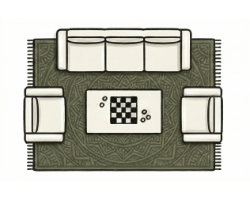
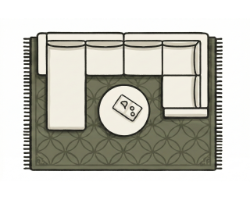
Sizing is where the most expensive mistakes happen. Designers recommend placing all furniture legs on the rug for a unified, pulled-together look, but that’s the ideal, not a hard rule. When budget or room dimensions make a full-furniture placement impractical, front legs only is an accepted alternative that still reads as intentional. What never works is a rug that floats in the middle of the room with no furniture touching it at all.
Style and sizing best practices:
- Choose vintage or ombre patterns (like the Revival Ombre Wool Rug) for rooms with warm, layered decor
- Use geometric or monochromatic designs in contemporary spaces to let architecture lead
- For living rooms, size up: a large rug is usually best for a standard sofa grouping
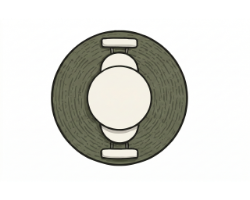
- In dining rooms, the rug should extend beyond the table on all sides so chairs stay on the rug when pulled out
- Layer a smaller accent rug over a natural fiber base for depth without committing to one large statement piece
- Match pattern scale to room scale: large patterns in large rooms, smaller repeats in tighter spaces
For a deeper look at rug sizing by room, the placement principles shift depending on whether you’re working with a sectional, a traditional sofa arrangement, or an open-plan space.
How do you choose a luxury rug you won’t regret?
The buying decision for a premium rug involves more variables than most purchases, and the stakes are higher. A well-chosen piece lasts decades. A poor one is an expensive lesson.
Expert testing for luxury rugs covers durability under real conditions, comfort underfoot, appearance after repeated vacuuming, and how well the rug holds up to pets and kids. That kind of multi-disciplinary evaluation is what separates a credible recommendation from a brand-sponsored list. When you’re reading reviews, look for testers who describe specific conditions: traffic level, floor type, cleaning methods used. Generic praise tells you nothing.
Hand-knotted rugs offer superior craftsmanship and design uniqueness compared to machine-made alternatives. A hand-knotted piece from a skilled weaver carries a density of knots per square inch that a machine simply cannot replicate, and that density is directly tied to how long the rug holds its pile and pattern. Machine-made rugs have their place: they’re more consistent, often more affordable, and can be excellent for high-traffic areas where you’d rather replace than restore. The Revival Record Washable Rug is machine-made and proud of it, because washability is the whole point.
Key buying criteria to work through before you commit:
- Material quality: Verify the fiber content. “Wool blend” can mean as little as 20% wool. Look for 100% New Zealand or Himalayan wool in premium pieces.
- Craftsmanship: Hand-knotted and hand-tufted are not the same. Hand-knotted is more labor-intensive and generally more durable.
- Size: Measure twice. Order once. Use painter’s tape on the floor to visualize the footprint before purchasing.
- Maintenance fit: Be honest about how much care you’ll actually give it. A silk rug in a busy household is a mismatch.
- Brand reputation: Loloi, Safavieh, Revival, and Nordic Knots all have documented track records and transparent material sourcing.
- Return policy: Customer satisfaction guarantees and 30-day hassle-free returns reduce the risk of a high-value online purchase significantly.
Pro Tip: Before buying online, order a swatch if the retailer offers one. Color rendering on screens varies enough that what looks warm gray on your monitor can arrive as cool blue in your living room. Revival, for example, offers swatch samples for its collections.
What do experts say about high-traffic areas and sizing flexibility?
The advice changes when the rug has to work hard every day, not just look good in photos.
Flatweave rugs excel in high-traffic zones because their low, tight surface traps less dirt and vacuums easily without the fiber distortion that plagues high-pile options. The Hook & Loom Flatweave Eco Cotton Rug and the Revival Hart Jute Rug are both built for this reality. The jute construction on the Revival Hart is particularly well suited to entryways and mudrooms where grit and moisture are constant. The Nordic Knots Jute Cross Rug brings the same durability with a slightly more decorative cross pattern, which gives it more visual interest without sacrificing the practical benefits of natural fiber flatweave.
Higher-pile wool rugs, by contrast, deliver comfort that flatweaves simply can’t match. The Rugs USA Softest Knit Wool Rug and the Revival Ombre Wool Rug in Dawn both belong in bedrooms or sitting rooms where bare feet are the primary user. The tradeoff is maintenance: wool pile requires careful vacuuming (no beater bar), periodic professional cleaning, and a rug pad underneath to prevent slipping and reduce wear from below.
Sizing flexibility is a real-world necessity that designers acknowledge more openly now than they used to. The all-furniture-on-rug approach is the ideal, but in smaller apartments or rooms with unusual proportions, front-legs-only placement is a legitimate and widely accepted alternative. What matters most is that the rug anchors the seating group visually, regardless of whether every leg touches it.
Expert guidance for high-traffic and sizing decisions:
- Use flatweave cotton or jute in entryways, hallways, and dining rooms
- Reserve high-pile wool for bedrooms and low-traffic living areas
- Never use a beater bar attachment when vacuuming wool pile rugs
- Size up rather than down when in doubt: a rug that’s slightly too large reads as intentional, while one that’s too small reads as an afterthought
- A rug pad extends the life of any rug by reducing friction against the subfloor and preventing bunching
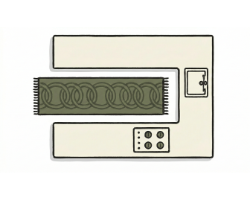
Pro Tip: For a hallway or entryway, a runner rug in a flatweave jute or eco cotton construction gives you the durability of a hard-wearing fiber in a format that fits the space. The Nordic Knots Jute Cross Rug works particularly well in this application.
Rugsonlinemarket carries the luxury rug range you’re actually looking for
Finding the right premium rug online means navigating hundreds of options without being able to feel the pile or check the construction in person. Rugsonlinemarket cuts through that by offering a curated range of natural fiber luxury rugs in wool, silk, cotton, and jute, alongside traditional Persian, antique-inspired, Moroccan, and modern collections, all in one place.
Free shipping on orders over $300, hassle-free 30-day returns, and a 100% feedback guarantee mean the financial risk of buying a high-value rug online is significantly reduced. The collection spans living room statement pieces, bedroom softness, and washable rug options for households that need luxury without the dry-cleaning bill. Expert customer service is available to help match the right rug to your space, material preference, and budget before you commit.
Key Takeaways
The best luxury rugs balance material quality, craftsmanship, and practical fit for the room, and no single rug wins every category.
| Point | Details |
|---|---|
| Material drives longevity | New Zealand or Himalayan wool and mulberry silk set the quality ceiling; match fiber to traffic level. |
| Flatweave for high-traffic zones | Flatweave cotton and jute rugs trap less dirt and clean more easily than high-pile alternatives. |
| Size up, not down | A rug that’s slightly large reads as intentional; one that’s too small undermines the whole room. |
| Handmade vs. machine-made | Hand-knotted rugs offer superior knot density and longevity; machine-made excels when washability matters. |
| Rugsonlinemarket for curated selection | Rugsonlinemarket offers wool, silk, cotton, and jute luxury rugs with free shipping over $300 and 30-day returns. |
The case for trusting your instincts more than the trends
The luxury rug market in 2026 is pulling in two directions at once. On one side, there’s a genuine revival of traditional hand-knotted craftsmanship, with buyers willing to pay for the density and artistry of a piece that took months to make. On the other, washable and performance-oriented rugs are eating into categories that used to belong exclusively to heritage materials. Both trends are real, and both reflect something true about how people actually live.
What gets lost in the trend coverage is the simple fact that the best rug for your space is the one that fits how you use the room, not the one that photographs best or carries the most prestigious label. A Revival Record Washable Rug in a family room with two dogs is a better decision than a hand-knotted silk piece that you’ll spend three years worrying about. Conversely, a bedroom with no foot traffic and a love of texture deserves something like the Annie Selke Poppy Multi Handwoven Rug or the Revival Ombre Wool Rug in Dawn, where the artisan quality actually gets to breathe.
The other thing worth saying plainly: sizing is the most underestimated variable in this entire category. Designers who have been specifying rugs for decades will tell you that a room with the right rug in the wrong size looks worse than a room with no rug at all. Get the footprint right first, then choose the material and pattern. That sequence produces better outcomes than any trend guide.
For 2026, the color story is moving toward warm terracottas, dusty roses, and deep indigos, with natural undyed jute and wool holding steady as the baseline for buyers who want something timeless. The 2026 interior design trends point toward layering natural textures rather than chasing a single statement piece, which is good news for anyone who already owns a solid jute or wool base and wants to build on it.
