

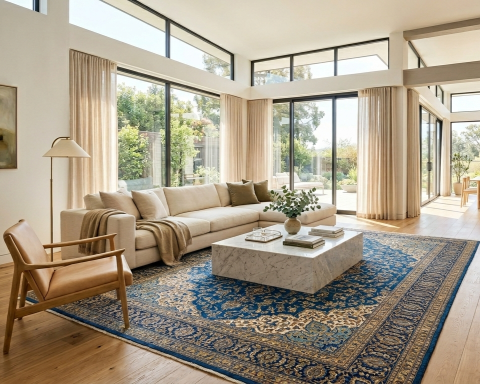
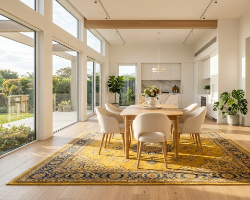
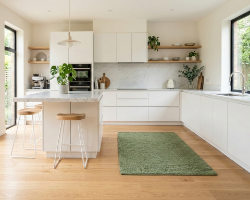
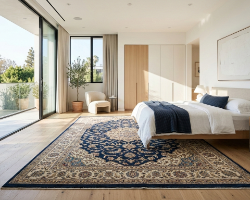
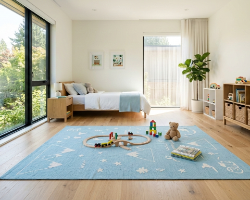
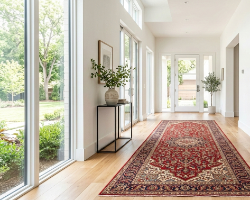
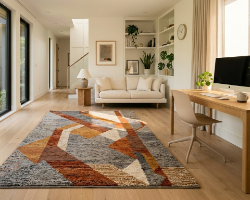
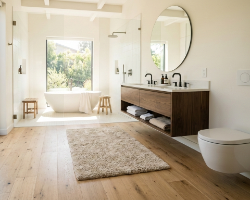

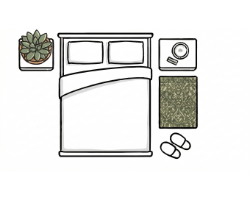
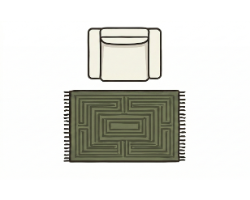
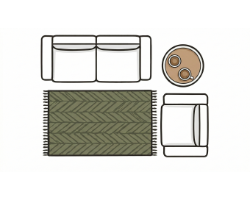
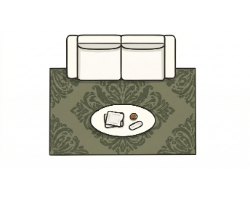



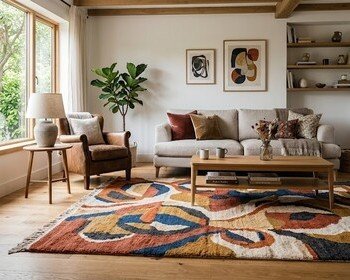

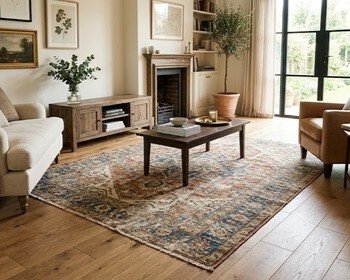
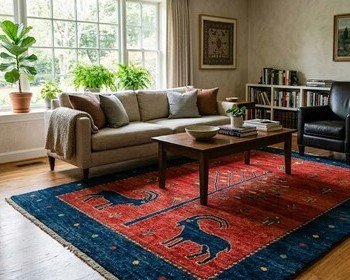
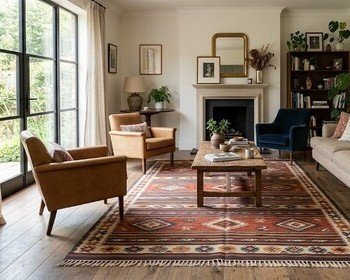
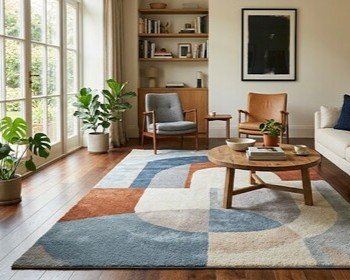

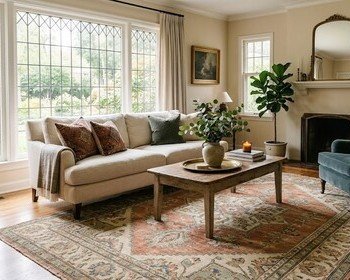
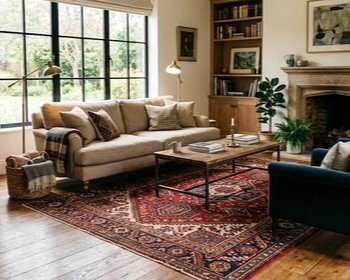
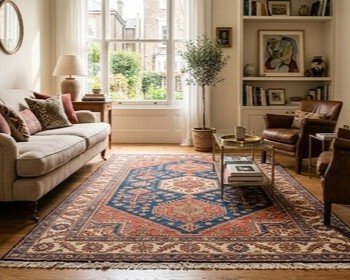

Choose low pile for hallways, kitchens, dining rooms, and anywhere feet, paws, or furniture legs move constantly. Choose high pile for bedrooms, media rooms, and any low-traffic space where comfort matters more than durability. The dividing line comes down to a single measurement: pile under 1/4 inch (6 mm) counts as low, while anything from 1/2 to 3/4 inch (12 to 19 mm) is classified as high pile.
That one number solves most of the guesswork. Once you know how tall the fibers stand, you know almost everything else about how the rug will behave.
- Comfort vs. practicality: high pile feels better underfoot; low pile survives daily abuse.
- Cleaning effort: low pile shakes off dirt and vacuums fast; high pile hides dust and pet hair deeper in the fibers.
- Cost over time: low pile tends to hold its shape and value longer in busy rooms, even when the upfront price is similar.
Quick numeric rule: pile under about 1/4 inch generally qualifies as low pile, built for traffic. Pile over about 1/2 inch generally counts as high pile, built for lounging. Anything in between is a medium pile that splits the difference reasonably well.
Key Takeaways
Choosing between low and high pile comes down to matching fiber height to how much traffic and comfort each specific room actually needs.
| Point | Details |
|---|---|
| Know the cutoff | Under 1/4 inch (6 mm) is low pile; 1/2 to 3/4 inch (12 to 19 mm) is high pile. |
| Match pile to traffic | Low pile for hallways, kitchens, and stairs; high pile for bedrooms and media rooms. |
| Maintenance scales with height | High pile needs more frequent vacuuming and faster professional cleaning. |
| Mix pile heights by room | Combining low-pile circulation paths with high-pile seating areas balances durability and comfort. |
| Shop by category, not just color | Rugsonlinemarket’s washable and natural rug collections cover both ends of the pile spectrum. |
Table of Contents
- What Low Vs High Pile Actually Means
- Pile Height Categories and Industry Thresholds
- Low-Pile Rugs: Where Durability Wins
- High-Pile Rugs: Where Comfort Wins
- How Maintenance Needs Differ Between Low and High Pile
- Figuring Out What Pile Height You Already Have
- How Pile Height Changes the Look and Feel of a Room
- Mixing Pile Heights for the Best of Both Worlds
- Why Pile Height Deserves More Attention Than Color
- Find the Right Pile for Every Room You’re Shopping For
- Sources
What Low Vs High Pile Actually Means
Pile height is simply the length of the carpet or rug fiber measured from where it’s anchored in the backing to the tip of the strand. It has nothing to do with softness ratings, thread count, or price tag. It’s a physical measurement, and you can check it yourself with a ruler in under a minute.
Here’s the method rug retailers and flooring inspectors actually use:
- Find a spot where the pile hasn’t been crushed by furniture or foot traffic.
- Press a ruler or tape measure straight down into the fibers until it touches the backing.
- Read the height at the point where the fiber tips end, not where they’re bent over.
- Repeat in two or three spots, since manufacturing and wear can create small variations.
- Compare your reading against the standard thresholds below.
Construction style changes how tall a pile looks, even at the same actual height. A looped weave (think Berber) sits denser and appears shorter than a cut pile at the same measurement, because the loops pack tighter and don’t fray outward. A cut pile of identical height looks fuller because the fiber ends splay slightly, catching more light and shadow.
A tightly woven low-pile wool can actually trap less dirt than a loose-cut synthetic high pile. Fiber type and weave density matter as much as the number on your ruler.
Pro Tip: If you’re measuring a rug you already own and don’t have a ruler handy, compare it against a stack of two or three quarters. Two stacked quarters run close to 1/4 inch, which gives you an instant visual gauge for the low-pile cutoff.
Pile Height Categories and Industry Thresholds
Retailers and manufacturers don’t use “low” and “high” loosely. There are four recognized bands, and knowing them turns a vague description in a product listing into an actual buying decision.
| Category | Inches | Millimeters | Common styles |
|---|---|---|---|
| Low pile | Under 1/4 in | Under 6 mm | Flatweave, Berber loop, commercial carpet tile |
| Medium pile | 1/4 to 1/2 in | 6 to 12 mm | Textured cut pile, everyday area rugs |
| High pile | 1/2 to 3/4 in | 12 to 19 mm | Plush, saxony, thick wool rugs |
| Extra-high (shag) | Over 3/4 in | Over 19 mm | Shag, flokati, ultra-plush accent rugs |
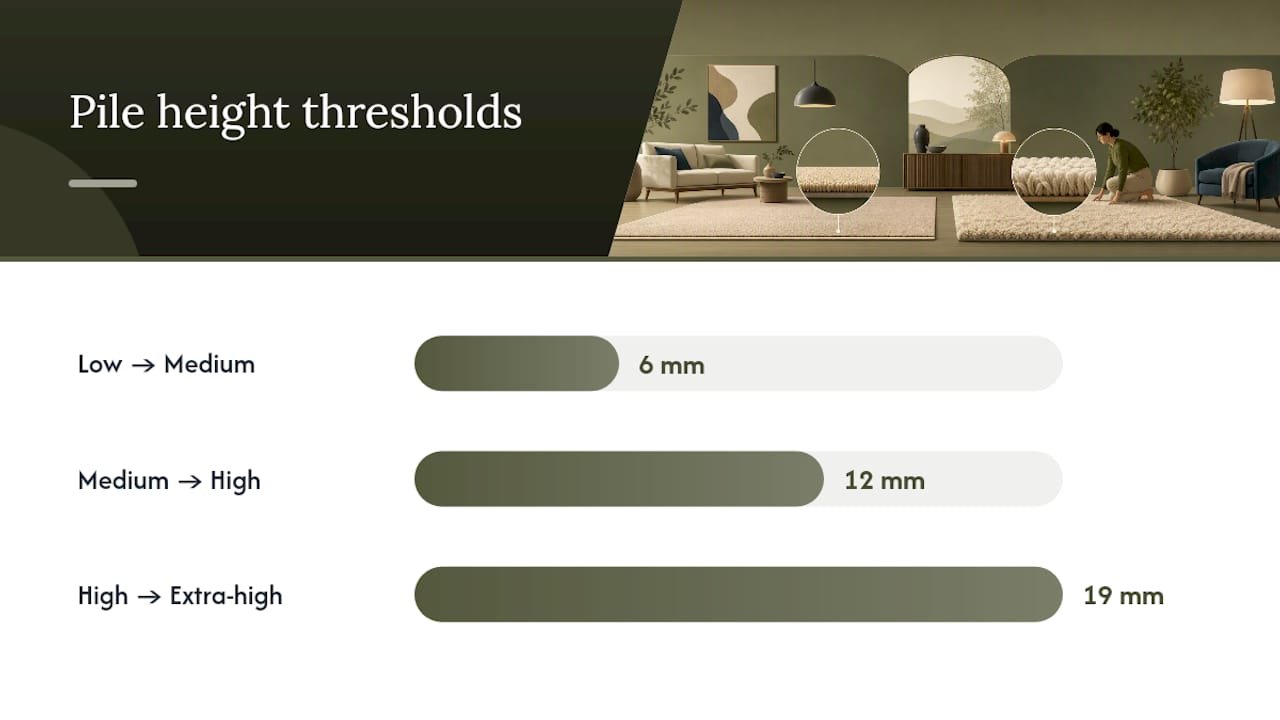
The most useful breakpoint to memorize is the one at 1/4 inch, or 6 millimeters. Below it, you’re in low-pile territory built for wear. Above 1/2 inch, you’ve crossed into high-pile comfort zones where cleaning gets harder and softness goes up. Everything in between is a compromise category, and it’s often the smartest pick for rooms that see moderate foot traffic but still need a little warmth, like a living room.
Flatweave rugs, worth mentioning separately, have essentially no pile at all. The yarns are woven flat into the backing with no raised fiber, which puts them below even the low-pile category and makes them the most durable, flattest option of all for entryways and kitchens.
Low-Pile Rugs: Where Durability Wins
Low pile earns its reputation the boring way: it just holds up. The short, dense fibers resist compression and matting far better than tall pile does, which means chair legs, dog nails, and daily foot traffic don’t leave permanent tracks the way they can on plush carpet.
- Dirt and debris sit on the surface instead of sinking deep, so a quick vacuum pass actually gets it all.
- Wheels, walkers, and rolling office chairs glide instead of catching, which matters a lot in homes with mobility needs.
- Low pile works over radiant floor heating without insulating the room from the heat source the way thick pile can.
- It tends to run less expensive on average than plush high-pile equivalents, though luxury wool can close that gap fast.
The tradeoffs are real, though. Low pile feels cooler underfoot on a winter morning, it won’t deliver the sink-your-toes-in feeling some people want in a rug, and heavy wear patterns can create visible shading or sheen differences over years of use, especially with synthetic fibers.
Best rooms for low pile: entryways, hallways, kitchens, dining rooms, home offices, stairs, and any pet-friendly open-plan living space where hair and dander need to be easy to remove.
Pro Tip: If durability is the priority, look at loop construction over cut pile. Loops resist crushing better because the fiber is anchored at both ends instead of standing free, which is why commercial carpet almost always uses a loop weave.
Picture a family with two dogs and an open kitchen-to-living-room layout. Paws track in dirt daily, chairs slide in and out at mealtimes, and a plush rug there would show matting within a season. A low-pile or flatweave rug handles that same routine for years without looking tired.
| Point | Details |
|---|---|
| Durability | Resists matting under furniture and heavy traffic. |
| Cleaning | Vacuums fast since dirt stays near the surface. |
| Comfort tradeoff | Cooler and less plush underfoot than high pile. |
| Best fit | High-traffic rooms, pet households, mobility-aid users. |
High-Pile Rugs: Where Comfort Wins
High pile exists for one reason: it feels good. The taller fibers create a cushioned, sink-in surface that low pile can’t match, and that extra fiber mass does double duty as an insulator and a sound absorber. Thicker pile dampens noise and holds warmth noticeably better than a thin low-pile alternative, which is why designers reach for it in rooms meant for relaxing rather than moving through.
- Fibers compress under bare feet, delivering the plush feel people picture when they imagine a “cozy” rug.
- Extra fiber depth absorbs footstep noise and echo, useful in rooms with hardwood or tile subfloors.
- Thicker pile traps a layer of warm air near the floor, which reads as a warmer room even without touching the thermostat.
- The visual depth of a tall pile adds a rich, textured look that flat surfaces simply can’t fake.
The downsides show up mostly in upkeep. High-pile fibers trap more dust, pet hair, and allergens, which means more thorough vacuuming and occasional professional deep cleaning. The pile also mats down in heavy traffic paths and under static furniture legs, and once it flattens permanently, there’s no reversing it short of replacement.
Best rooms for high pile: bedrooms, media rooms, reading nooks, and other low-traffic spaces where you’ll be standing still or sitting rather than walking constantly.
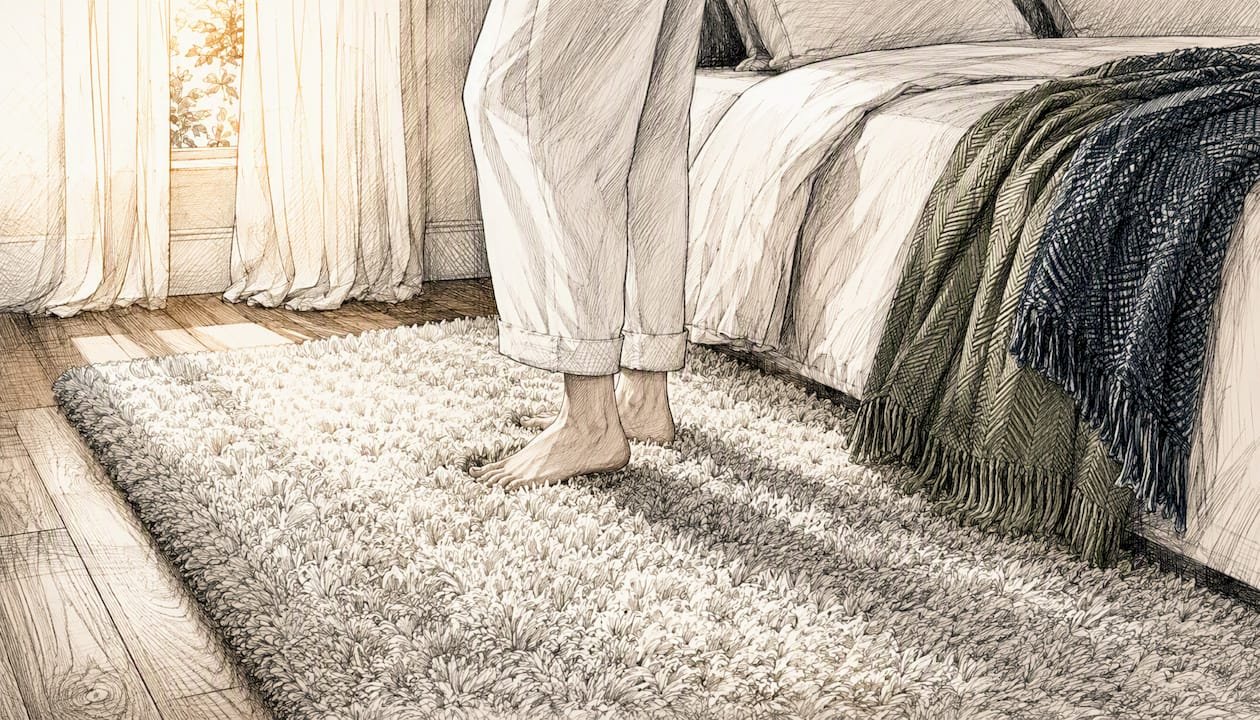
Pro Tip: Always pair a high-pile rug with a dense rug pad. Without one, the pile can “bottom out” under weight, which feels like walking straight on the subfloor and accelerates backing damage over time.
Think about someone furnishing a primary bedroom and wanting the classic barefoot-on-plush-wool feeling every morning. A high-pile rug there checks every box, since the room sees light traffic, mostly bare or socked feet, and no rolling furniture to grind the fibers down.
| Point | Details |
|---|---|
| Comfort | Cushioned, warm feel underfoot, best for bare-feet rooms. |
| Insulation & sound | Traps warm air and dampens noise better than low pile. |
| Cleaning tradeoff | Holds dust and pet hair deeper, needs more frequent vacuuming. |
| Best fit | Bedrooms, media rooms, low-traffic comfort zones. |
How Maintenance Needs Differ Between Low and High Pile
The care routine for a rug should match its pile height, not a generic one-size schedule. Low pile forgives a missed week of vacuuming; high pile doesn’t.
Daily to weekly:
- Low pile: a quick vacuum pass, suction-only or low brush setting, once or twice a week is usually enough.
- High pile: vacuum at least twice weekly with the brush roll raised slightly to avoid yanking fibers, since aggressive beater bars can pull loose loops.
Monthly:
- Low pile: spot-clean stains immediately; a monthly deeper vacuum with attachments along edges keeps buildup from settling into the backing.
- High pile: rotate the rug if it’s in a partial traffic zone, and run a slow, deliberate vacuum pass in multiple directions to lift crushed fibers back upright.
Quarterly to annually:
- Both pile types benefit from professional cleaning once or twice a year, but high pile needs it more urgently if anyone in the household has allergies.
| Task | Low pile | High pile |
|---|---|---|
| Vacuum frequency | 1–2 times weekly | 2–3 times weekly |
| Vacuum setting | Suction only or low brush | Raised brush height, gentle pass |
| Spot cleaning | Immediate, low absorption | Immediate, blot rather than rub |
| Professional cleaning | Annually | Every 6–12 months |
For allergy-sensitive households, low pile is generally the smarter baseline because it’s easier to pull dust and dander off the surface with routine vacuuming, while deep pile can hold onto allergens even after a thorough cleaning. If anyone in the home deals with asthma or dust sensitivity, browsing allergy-friendly rug options before committing to a plush pile is worth the extra five minutes.
Pro Tip: If a high-pile rug starts smelling musty or looking dull no matter how often you vacuum, that’s usually a sign dust has worked past the surface layer. That’s the point to call a professional cleaner rather than keep running a home vacuum over it.
Figuring Out What Pile Height You Already Have
Most people don’t know the pile height of the rug already sitting in their living room, and that’s fine. Figuring it out takes less time than making coffee.
- Grab a ruler or tape measure and find an untouched section of the rug, away from furniture legs or main walkways.
- Press the ruler straight down to the backing and read the fiber length at the tip, not where it’s compressed.
- Compare the number against the standard bands: under 1/4 inch is low, 1/4 to 1/2 inch is medium, 1/2 to 3/4 inch is high, and anything past 3/4 inch is shag-level extra-high.
- If you’re sending photos to a retailer for advice, shoot straight down at the pile from about a foot away, plus one angled shot showing the fiber profile from the side.
Beyond the ruler test, a few visual and tactile cues confirm what you’re looking at:
- Press your palm into the rug and let go. Low pile springs back almost instantly; high pile takes a beat longer to rebound.
- Look at fiber density. Low pile packs fibers tightly per square inch; high pile often has visible gaps between tufts when you part the fibers with your fingers.
- Check whether it’s a loop or cut construction, since loops read shorter than a cut pile of the same actual height.
If your measurement lands right in the middle, around 3/8 inch, you’re in medium-pile territory, which behaves like a compromise: reasonably comfortable, reasonably durable, and a safe pick for rooms you can’t cleanly categorize as high or low traffic.
Pro Tip: When in doubt between two categories, round down toward the more durable option if the room sees any regular foot traffic at all. It’s a lot easier to add a plush throw pillow for extra coziness than to replace a matted rug two years early.
How Pile Height Changes the Look and Feel of a Room
Pile height isn’t just a performance spec. It changes how a room reads visually, sometimes more than color or pattern does.
- Taller pile catches more shadow and light across its surface, giving colors more depth and a slightly muted, textured look compared to the flat, saturated color of a low-pile weave.
- Low pile shows pattern and fine detail more crisply, which is why intricate medallion or border designs, like classic Persian patterns, usually translate better on a shorter pile.
- High pile reads as warmer and cozier at a glance, even before anyone touches it, which is why designers lean on it to soften a room dominated by hard surfaces.
Furniture placement rules shift with pile height, too. Heavy pieces sink into high pile and can leave lasting indentations, so furniture coasters or periodic rearranging matter more there than on low pile. Doors are another practical issue: a high-pile rug under a swinging door can catch or drag, while low pile clears most standard door gaps without a trim. When placing a rug under a Persian-style dining or living room set, low to medium pile also makes it far easier to keep chair legs sliding smoothly in and out.
Layering plays into this, too. A common designer trick is a low-pile jute or flatweave base layered with a smaller high-pile or shag accent rug on top, which gives you visual texture and a soft landing spot without sacrificing the base layer’s durability across the whole room. The rules for layering rugs generally call for keeping the bottom layer flatter and larger, with the accent piece sized to about two thirds of the base.
| Point | Details |
|---|---|
| Pattern clarity | Low pile shows fine detail and crisp borders better. |
| Perceived warmth | High pile visually and physically reads as cozier. |
| Furniture risk | Heavy legs can dent high pile; low pile resists denting. |
| Layering rule | Use a low-pile base with a high-pile accent on top. |
Mixing Pile Heights for the Best of Both Worlds
You don’t have to pick one pile height for an entire home. The strategy most designers actually use is mixing them room by room, and there’s a practical reason it works: it matches the pile to the actual behavior happening in that space rather than forcing one rug type to do everything.
The common recommendation is to run low pile through main circulation paths and save high pile for seating and relaxation spots. A hallway runner in low pile connects rooms without wearing out in two years. A high-pile rug anchoring the sofa in the same home delivers the comfort people actually want when they sit down. Same house, two very different jobs, two different pile heights doing what each does best.
Here’s how that plays out in practice:
- Open-concept living space: low-pile or flatweave rug under the dining table where chairs slide constantly, transitioning to a slightly higher pile in the seating area near the couch.
- Home with a busy front hall: a low-pile runner rug at the entry, paired with a plusher accent rug in an adjacent reading corner.
- Multi-level home: low pile on stairs and landings for safety and durability, high pile reserved for bedrooms upstairs where nobody’s rushing through with muddy boots.
| Factor | Low-pile zone | High-pile zone |
|---|---|---|
| Comfort/softness | Moderate | High |
| Durability | High | Moderate |
| Cleaning ease | High | Moderate to low |
| Best rooms | Hallways, kitchens, stairs | Bedrooms, media rooms |
| Pile height | Under 1/4 in (6 mm) | 1/2 to 3/4 in (12 to 19 mm) |
| Styling impact | Crisp pattern, flat texture | Rich texture, cozy depth |
Pro Tip: Whenever a high-pile rug goes under a bed frame or heavy dresser, use a thicker rug pad than you would elsewhere. Without it, high-pile rugs bottom out under sustained weight, which quietly wears down the backing long before the fibers show visible damage.
If you’re furnishing a shared space, this is also the easiest way to settle a disagreement at home. One person wants a soft bedroom rug, another wants something the dog won’t destroy in the living room. Mixed pile heights let both people get what they actually want instead of compromising on a mediocre medium pile everywhere.
Why Pile Height Deserves More Attention Than Color
Most people spend their shopping time comparing colors and patterns and almost none of it thinking about pile height, which is backwards. Color is the easiest thing to change your mind about later with a throw pillow or a new lamp. Pile height determines whether the rug survives your household at all.
The conventional advice to “buy what feels soft in the showroom” actively steers people wrong for at least half their rooms. A rug that feels luxurious under bare feet in a carpet store is often the exact wrong choice for a kitchen or entryway, where that same softness turns into premature matting and a losing battle against tracked-in dirt within a year. The softness test only makes sense once you already know the room calls for high pile.
The bigger blind spot is treating pile height as a single household-wide decision instead of a room-by-room one. A home doesn’t need one “right” pile height any more than it needs one lighting fixture for every room. The households that get the most life out of their rugs are the ones that treat low and high pile as different tools for different jobs, not as a single style preference to lock in once and apply everywhere.
If there’s one number worth remembering from all of this, it’s the 1/4 inch cutoff. Below it, plan for traffic. Above 1/2 inch, plan for comfort and extra cleaning. Everything else is detail.
Find the Right Pile for Every Room You’re Shopping For
Once you know which pile height fits a room, the next step is finding a rug that actually delivers on it, and that’s where the category matters as much as the look. Rugsonlinemarket carries options across the full pile spectrum, from durable flatweave and low-pile pieces built for daily traffic to plush, high-pile wool and silk rugs made for bedrooms and quiet corners.

If pets, kids, or heavy foot traffic are part of your daily reality, the washable rugs collection solves the low-pile cleaning question before it even comes up: pull the rug, wash it, put it back. For hallways and entries, the runner rug category sticks to the durable, low-profile builds that hold up under repeat foot traffic. And if you’re outfitting a bedroom or media room where comfort is the whole point, the natural rugs collection includes the wool and cotton pieces that deliver that higher-pile softness without synthetic shortcuts.
Not sure which category fits your space? Rugsonlinemarket’s customer support team can walk through room photos with you and point you toward the right pile height before you buy, so browse the full collection and reach out with your questions.
Sources
- Flooring Clarity
- Angi — Low-pile vs high-pile carpet
- Solza — High pile vs low pile carpet
- Greatmats — Difference between high-pile and low-pile
For a broader look at rug styles, materials, and care guidance beyond pile height, visit Rugsonlinemarket directly.
