

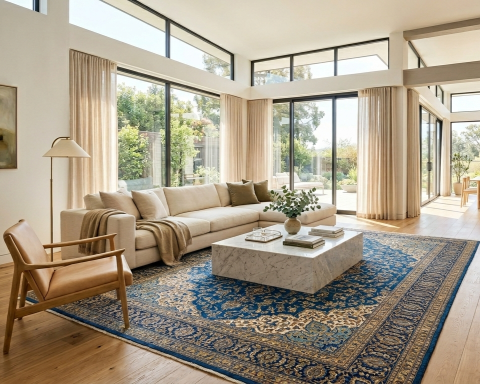
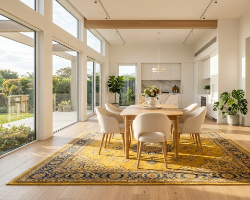
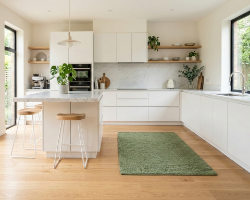
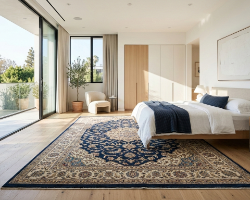
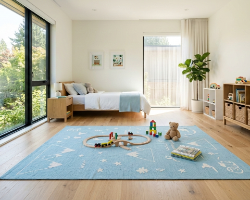
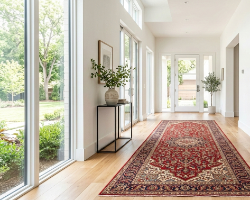
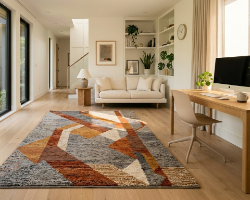
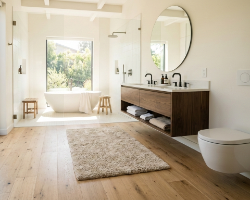








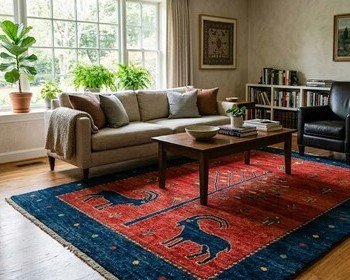
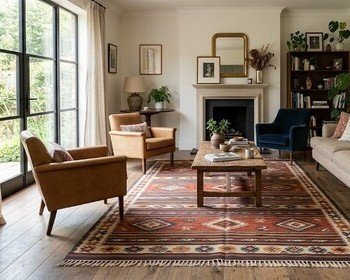



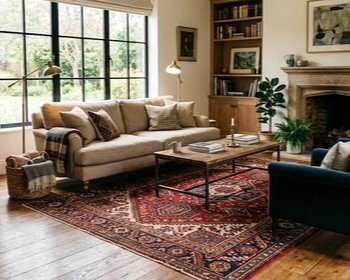
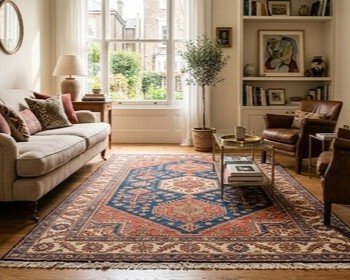
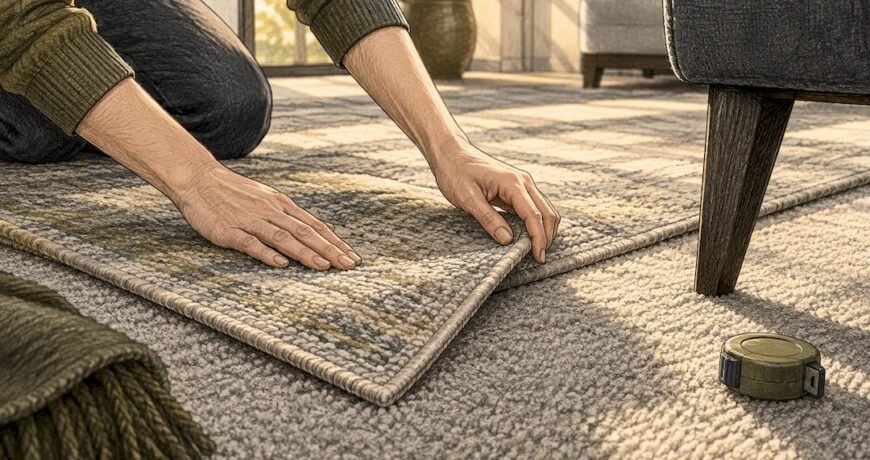
Yes, you can put an area rug on carpet, and it works when you match a low-profile rug to a low-pile carpet, add a carpet-to-carpet pad for grip, and anchor the setup with furniture or corner grippers. The main exception is stairs, plush shag carpet, and wet entryways, where layering turns into a trip hazard. The Carpet and Rug Institute offers certification guidance worth checking, and some shops carry flatweave and low-pile styles that make layering actually hold up.
TL;DR:
- Matching low-profile or flatweave rugs with low to medium-pile carpet ensures they stay flat and safe, avoiding lumps or trip hazards.
- Using textured, carpet-specific pads and anchoring with furniture or corner grippers greatly reduces sliding and bunching issues.
- Proper size and placement, such as extending under furniture or leaving a border, enhances aesthetic coherence and avoids floating or awkward looks.
- Regular maintenance including vacuuming, drying felt pads, and rotating rugs prevents permanent compression and uneven wear over time.
- Selecting contrasting colors, patterns, or textures between the rug and carpet makes layering look intentional and stylistically appealing.
Table of Contents
- Why layer a rug over carpet in the first place
- Matching pile height and rug type to your carpet
- How to keep a rug stable with pads and anchors
- Getting the size and placement right
- Keeping both layers clean and undamaged
- Styling moves that make layering look intentional
- Step-by-step: laying a rug on carpet correctly
- Fixing bunching, sliding, and uneven spots
- A note on why the details matter
- Find the right rug for your setup
- Sources
- FAQ
Why layer a rug over carpet in the first place
Layering solves problems that carpet alone can’t fix. In an open floor plan, a rug defines the living room or reading nook without a single wall going up. It adds color, pattern, and texture to a room where the carpet is a safe, neutral shade you don’t want to rip out.
It’s also protective. A rug over the main foot traffic path hides wear and stains without any permanent change, which matters a lot for renters or anyone easing into a redesign.
- Living rooms and bedrooms are the easiest wins, since furniture naturally anchors the rug.
- Basements with low-pile carpet benefit from an added layer of warmth and sound dampening.
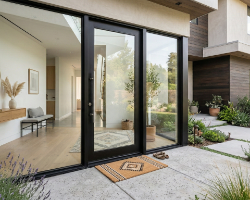
- Staircases, tight hallways, and bathroom entries are the wrong spots because a loose second layer becomes a fall risk fast.
Matching pile height and rug type to your carpet
The single biggest factor in whether a layered rug stays flat or turns into a lump is pile matching. The safest approach is conservative: pair a flat or low-pile rug with carpet that’s also low to medium pile, so neither surface fights the other for height.
- Flatweave, dhurrie, and kilim rugs sit the flattest and work over almost any carpet type.
- Low-profile synthetic rugs and hide or hide-look rugs also perform well and resist bunching.
- Thick shags, coarse jute, and heavy sisal should stay off carpet entirely, since they trap moisture, compress unevenly, and shift underfoot.
A carpet-to-carpet pad, not a standard rubber one, is what keeps a layered rug from sliding. Home improvement guidance points to flatweave, low-profile, and hide rugs as the top performers over carpet, largely because they reduce trip hazards and sit stably compared with high-pile options that fight the carpet underneath.
How to keep a rug stable with pads and anchors
Standard rubber pads are built for hard flooring. On carpet, that rubber grips nothing, since it needs a smooth surface for suction, and it can actually trap moisture against carpet fibers. A carpet-specific pad made from textured or tacky polymer, or a dense felt pad, works differently: it grips carpet fibers directly instead of relying on suction, which is why it outperforms rubber non-slip pads in layered setups.
Work through anchoring in this order:
- Start with furniture. A sofa, coffee table, or bed frame resting on the rug does more anchoring than any product.
- Add a carpet-to-carpet pad cut slightly smaller than the rug so no edge peeks out.
- Use corner grippers or double-sided rug tape rated for carpet on any edge that still lifts.
- Try rug stops on high-traffic corners as a final fix if bunching continues.
Before committing to tape or adhesive anywhere, test it on a hidden corner for 30 days and check for residue or fiber damage when you peel it back. That small delay beats discovering a sticky patch on carpet you can’t replace easily.
Pro Tip: If a pad has gone flat, stiff, or crumbly, replace it. A worn pad stops protecting the carpet underneath and starts contributing to permanent pile compression.
Getting the size and placement right
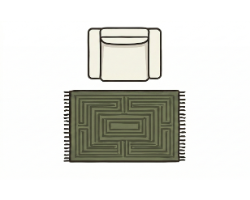
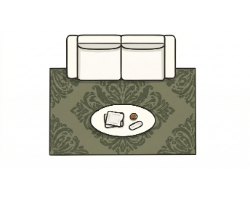
Size is where most layered rugs go wrong. A rug that’s too small floats in the middle of the room like a postage stamp, and no styling trick fixes that.
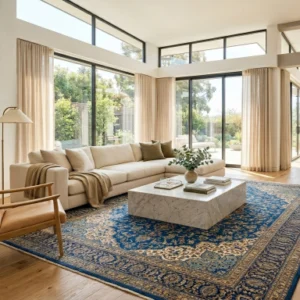
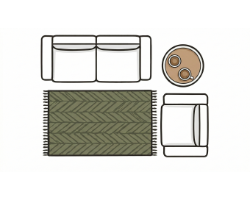
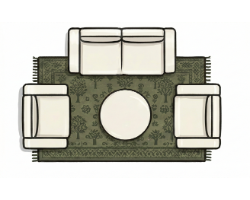
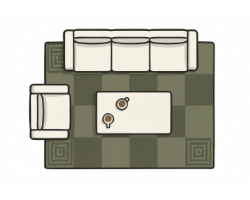
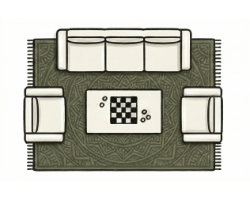
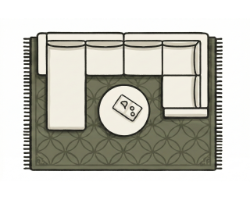
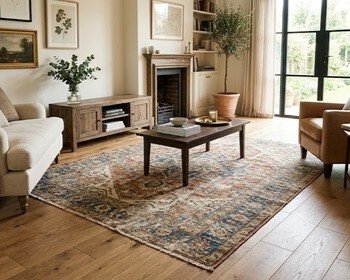
- In a living room, aim for a rug sized to your seating footprint. An 8 by 10 foot or 9 by 12 foot rug should let at least the front legs of every major piece rest on it.
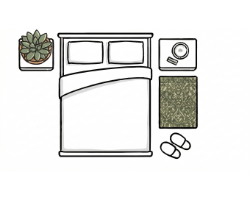
- In a bedroom, the rug should extend under the lower portion of the bed, so you step onto it getting in and out.
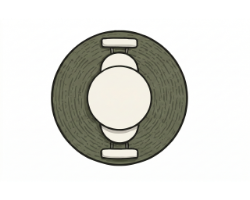
- In a dining room, leave adequate clearance beyond the table edge on every side, enough room for chairs to slide out without catching a rug edge.
- Before buying, tape out the exact footprint on your floor with masking tape and walk the room, checking that doors still swing clear and furniture traffic paths stay open.
This tape-out method catches sizing mistakes before they cost you a return.
Keeping both layers clean and undamaged
A layered rug needs a maintenance rhythm or it starts compressing and trapping dust where you can’t see it.
- Vacuum flatweaves and low-pile rugs weekly with a beater bar on a low setting; skip the beater bar on hides and delicate weaves and use suction only.
- Lift the rug and vacuum both the pad and the carpet underneath every few months, which clears out debris that never reaches the surface.
- Rinse and air-dry felt pads once a year to prevent matting, and rotate the rug seasonally so one section doesn’t take all the wear.
Rinsing a felt pad annually and rotating the rug on a regular schedule prevents the kind of permanent compression and uneven fading that maintenance guidance warns can set into layered setups over time. Spot-clean spills immediately rather than letting moisture sit, and skip layering altogether in damp basements or wet entryways where trapped humidity between the two textiles won’t dry out properly.
Styling moves that make layering look intentional
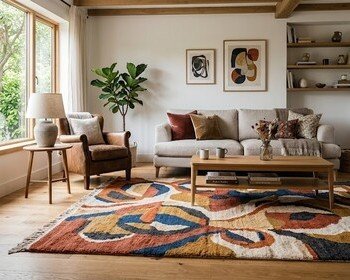
The difference between a rug on carpet looking planned and looking like an accident comes down to contrast and scale. A patterned rug over a solid neutral carpet reads as a deliberate choice. Two similar tones next to each other just look like a mismatch nobody noticed.
- Let a couple inches of carpet show around the rug’s edge rather than pushing it wall to wall, which keeps the layering visible as a design choice.
- Offset a rug slightly under a seating group instead of dead-centering it when the room has an asymmetrical layout.
- Pair a wool flatweave in a bold pattern with a low, tight-loop carpet for the clearest contrast.
- In a 12 by 15 foot living room, a 9 by 12 foot rug leaves enough carpet border to frame the layering without shrinking the space.
Small color and pattern decisions like these carry more weight than expensive materials, an idea echoed in general home decor styling advice on layering textiles together.
Step-by-step: laying a rug on carpet correctly
Getting the setup right takes about twenty minutes of prep before the rug ever touches the floor.
- Vacuum the carpet thoroughly first. Anything trapped in the fibers will telegraph through a thin rug over time.
- Tape out the intended footprint with masking tape, matching the dimensions you settled on for the room.
- Cut a carpet-to-carpet pad about an inch smaller than the rug on all sides so it stays hidden.
- Lay the pad down first, centered inside the taped outline, and press it flat against the carpet.
- Unroll the rug on top and let it sit for a few hours before adjusting, since rugs often relax and settle after shipping.
- Square the rug to the room’s sightlines, usually parallel to the longest wall or the main furniture grouping.
- Slide furniture into place so at least the front legs of major pieces rest on the rug, which does most of the anchoring work.
- Add corner grippers or carpet-rated tape on any edge that still lifts once furniture is in place.
- Walk the full perimeter checking for ripples, then press down any high spots by hand.
Skipping the pad step is the most common shortcut that causes problems later, since a rug laid directly on carpet has nothing to grip and starts sliding within days.
Fixing bunching, sliding, and uneven spots
Most problems that show up after a rug’s been down for a few weeks trace back to one of three causes.
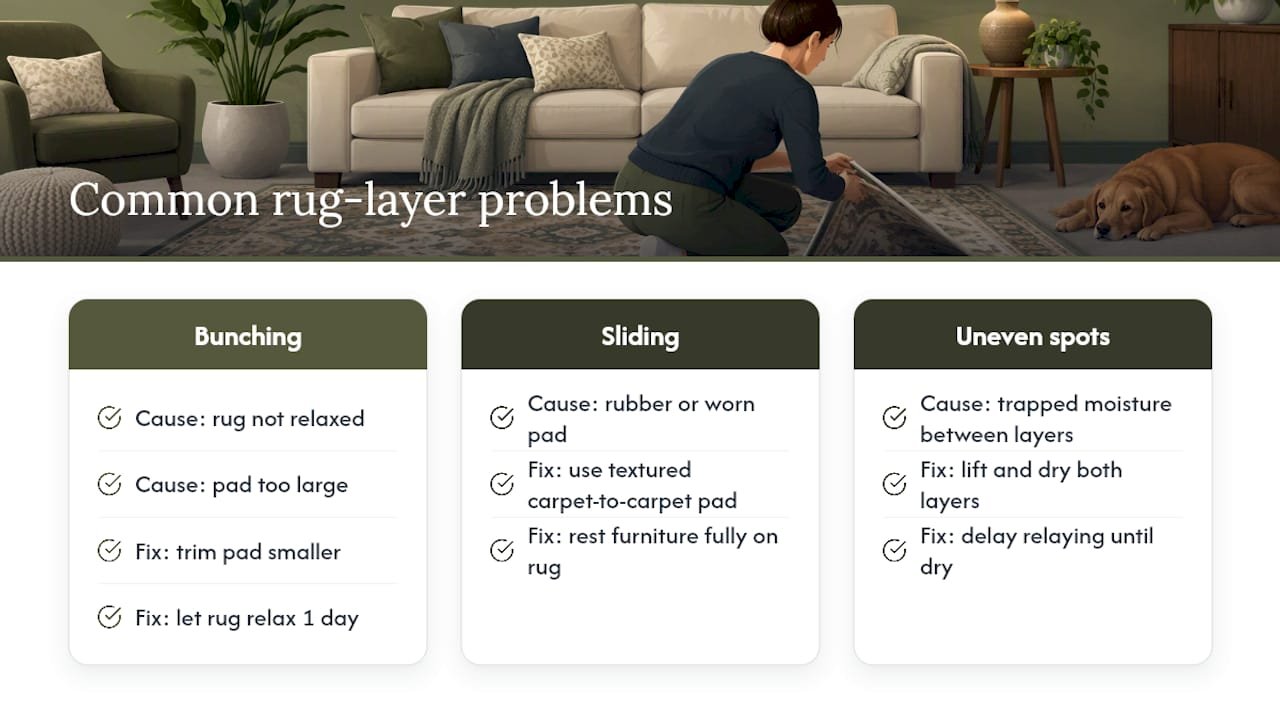
Bunching usually means the rug hasn’t fully relaxed yet or the pad is too large and pushing up at the edges. Pull the rug back, trim the pad slightly smaller, and let the rug lie flat for a day before repositioning.
Sliding almost always points to a rubber pad instead of a carpet-specific one, or a pad that’s worn smooth. Swap in a textured carpet-to-carpet pad, and check that furniture is actually resting on the rug rather than just near it.
Uneven spots or a slight dome in the middle often come from moisture trapped between the layers, especially after a spill or humid week. Lift the rug, let both layers dry fully, and hold off on relaying until the carpet underneath feels dry to the touch.
If any of these issues keep recurring in the same spot, that’s usually a sign the rug pad needs replacing rather than repositioning, particularly once a pad has gone stiff or thin.
A note on why the details matter
I’ve spent enough time comparing rug setups to know that the pad matters more than the rug in most failed layering attempts. Readers ask about pattern and color first, but the boring choice, the pad underneath, decides whether any of that styling survives contact with foot traffic. Some flatweave and natural rug categories line up well with the low-profile picks this guide recommends for layering.
— Kian
Find the right rug for your setup
Once you know your carpet’s pile height and the look you’re after, the shopping part is straightforward. Traditional Rugs cover heavier wool options with enough structure to anchor well on low-pile carpet, while Handmade Rugs offer the weight and density that flatweave layering needs. If you’d rather stick with plant-based materials, the Natural rugs category covers jute-free, carpet-friendly options in that family.

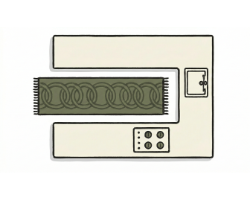
- Runner rugs for hallways and other narrow, high-traffic zones.
- Traditional and handmade styles for living rooms and bedrooms.
- Natural rugs for a lighter, texture-forward layered look.
Orders over $300 ship free, and every rug comes with a 30-day hassle-free return, so testing a size or pattern against your carpet at home costs nothing if it’s not right. Browse the Rugs Online Market collection to see the full range before you commit.
Sources
- Certified low-emission carpet, adhesives and carpet – BASC/PNNL
- Rugs on Carpet Floor: How to Layer Without the Sliding, Bunching Mess – D and G Flooring
- How to layer rugs on carpet – Home Depot
- Area Rug Over Carpet: The Ultimate Rental-Friendly Guide That Actually Works 2026 – Steal The Decor
FAQ
Is it okay to put rugs on carpet?
Yes, putting a rug on carpet is fine as long as you match a low-pile rug to low or medium-pile carpet and use a carpet-specific pad underneath. Avoid it on stairs, in wet entryways, or with very plush base carpet, since those setups raise the risk of slipping.
What type of rug is best to put over carpet?
Flatweave, dhurrie, kilim, and hide or hide-look rugs work best over carpet because they sit low and stay stable. Home Depot’s guidance points to these low-profile options as reducing trip hazards compared with thick, high-pile rugs.
Do rugs look okay on carpet?
Yes, a rug on carpet looks intentional when there’s clear contrast in color, pattern, or texture between the two layers. Letting a few inches of carpet show around the rug’s border also helps it read as a styling choice rather than a mismatch.
Do rugs look silly on carpet?
They can, if the rug and carpet are too similar in tone or pile height, making the layering hard to notice or look accidental. Choosing a rug with a different pattern or a noticeably lower pile than the carpet underneath solves this in most rooms.
