

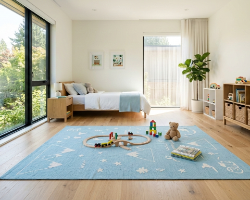
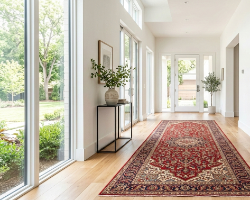
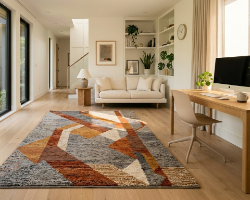
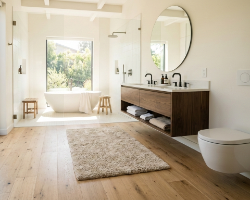




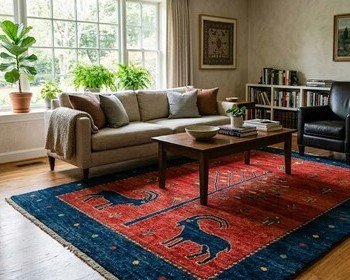
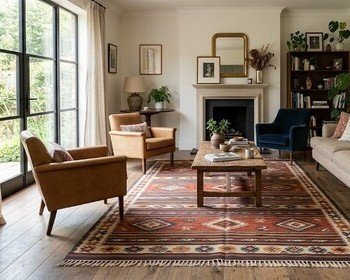
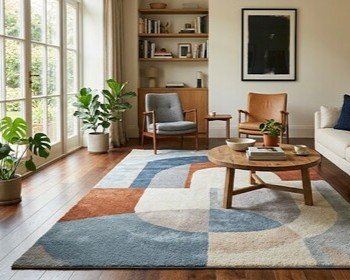
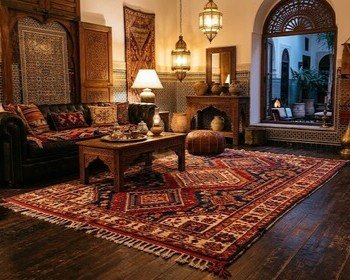
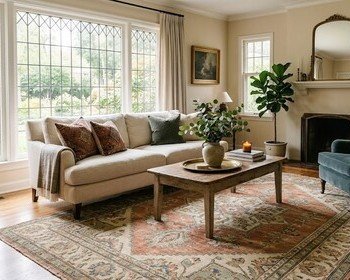
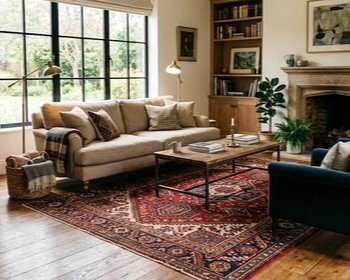
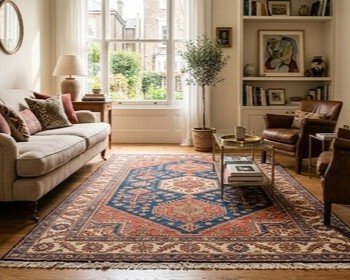
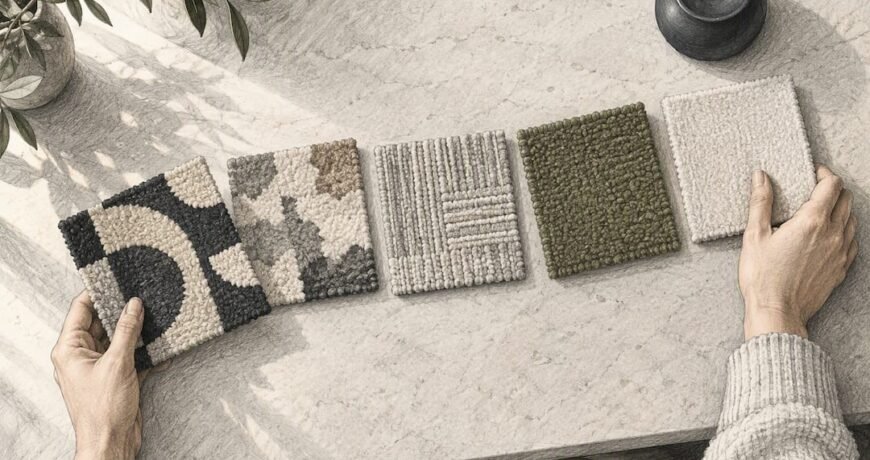
Modern rug styles use clean lines, geometric or abstract motifs, and restrained (or intentionally bold) color palettes to fit contemporary interiors. The main families to know are geometric, abstract, minimal, mid-century, art-deco, distressed, and natural-fiber modern. Material and pile height decide how each holds up to daily traffic and how much upkeep it needs.
TL;DR:
- Geometric and abstract modern rugs with low pile are best for defining open spaces or acting as statement pieces, especially in living rooms and offices.
- Natural fibers like jute or sisal with textured, minimal, or distressed patterns are trending for a soft, textured look that suits modern interiors.
- Size and placement should be tailored: rugs should accommodate furniture for comfort and aesthetics, with careful measurement, especially in bedrooms and dining areas.
- Routine care, including vacuuming and prompt spill treatment, is key, with wool and silk rugs needing professional cleaning and synthetic options being more low-maintenance.
- Trendy abstract designs with muted neutral tones and ethical labels are gaining popularity, but classic geometric styles remain timeless for long-term appeal.
Table of Contents
- What separates modern from contemporary rugs
- The main modern rug styles explained
- How to choose the right size, material, and pile
- Styling techniques: layering, zoning, and texture
- Trends to watch in modern rugs for 2026
- Caring for a modern rug day to day
- Why this guide draws on real buying experience
- A simple rule for picking a modern rug
- Shop modern rug styles at Rugs Online Market
- Sources and further reading
- FAQ
What separates modern from contemporary rugs
The terms overlap, but designers and retailers use them differently. “Modern” usually points to the mid-century design movement, clean geometry, and a limited color story. “Contemporary” describes whatever is current, so it shifts with the decade and often borrows from several eras at once.
A few visual cues help you sort rugs on sight:
- Bold, oversized geometry or asymmetrical patterns signal a modern lean rather than a traditional one.
- Low-to-medium pile tends to dominate modern collections because it keeps pattern lines crisp.
- Muted or high-contrast color blocking replaces the dense floral repeats common in traditional rugs.
Construction also tells you what you are buying. Hand-knotted rugs carry the most detail and the highest price, hand-tufted rugs offer a similar look for less, and machine-made rugs deliver consistent pattern at the lowest cost but with less texture depth.
The main modern rug styles explained
Each style reads differently depending on pattern scale, material, and the room it’s built for.
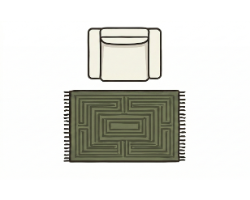
- Geometric: Sharp lines, repeating shapes, and often a two- or three-color palette. Works well in living rooms and home offices; low pile wool or a wool blend keeps the pattern defined.
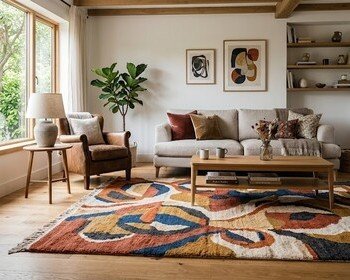
- Abstract: Painterly, irregular shapes with no strict repeat, often blending several tones. Suits open living spaces where the rug acts as the room’s focal point; a guide to abstract rug design shows how varied these can look.
- Minimal: Solid or near-solid color with subtle texture instead of printed pattern. Fits bedrooms and small spaces where the goal is calm, not statement.
- Mid-century: Retro shapes, muted mustard, teal, or burnt orange tones, and organic curves. Pairs naturally with walnut furniture and other mid-century decor.
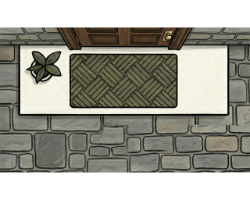
- Art-deco: Symmetrical, ornate geometry with metallic or jewel-tone accents. Best in dining rooms or entryways where a smaller footprint carries the drama.
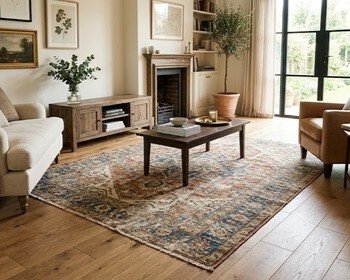
- Distressed: A vintage pattern faded or overdyed for a worn look. Hides stains well, making it a practical choice for high-traffic hallways.
- Natural-fiber modern: Jute or sisal woven into a modern grid or block pattern. Grounds a room texturally and works as a base layer under a smaller decorative rug.
Bold pattern works best as a single statement piece; if your furniture is already patterned or brightly upholstered, a neutral or minimal rug keeps the room from competing with itself.
Pro Tip: Scale the pattern to the room, not the rug: a large geometric motif reads clearly in an open living room but can overwhelm a small bedroom, where a tighter, smaller-scale print or a minimal solid works better.
How to choose the right size, material, and pile
Getting these details right up front saves you from a rug that looks wrong or wears out fast.
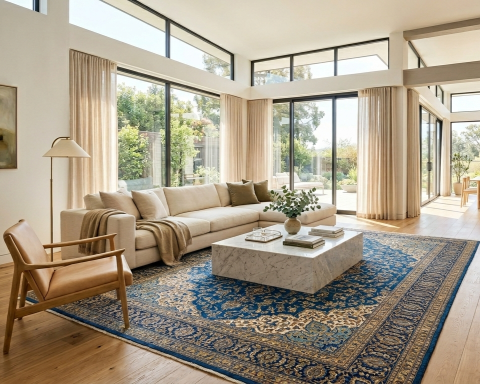
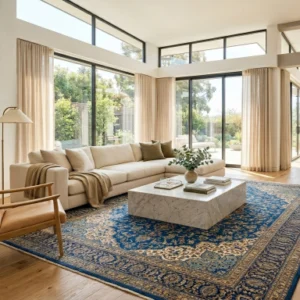
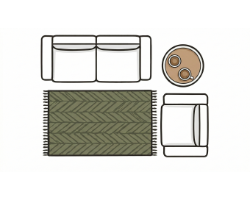
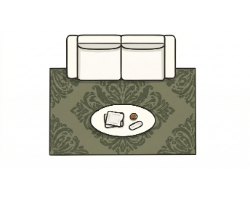
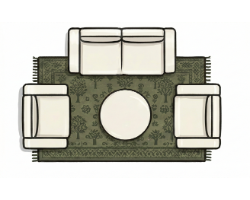
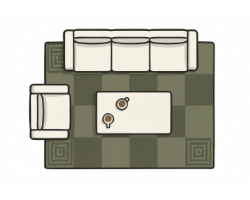
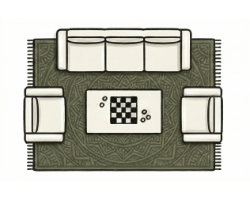
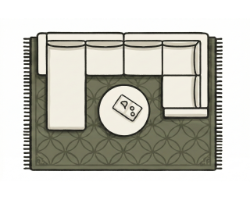
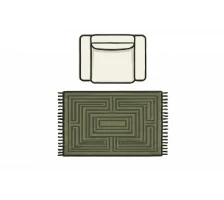
- Living rooms: size the rug so all major furniture legs sit on it, or at least the front legs of sofas and chairs; a sizing and placement guide covers exact room-by-room dimensions.
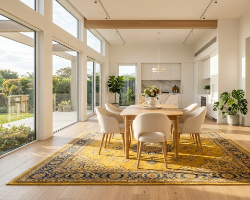
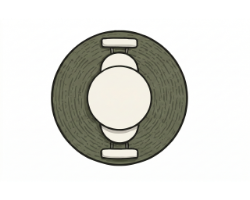
- Dining rooms: leave enough rug beyond the table edge so chairs stay on it when pulled out.
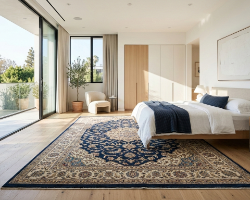
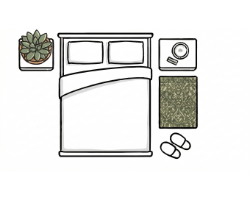
- Bedrooms: a rug that extends past the sides and foot of the bed reads more finished than one tucked only underneath.
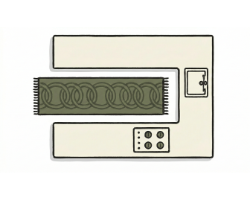
- Runners: measure hallways and entryways carefully; a runner rugs collection makes it easier to compare narrow widths.
- Materials: wool balances durability and softness for busy rooms, silk adds sheen but wants low traffic, viscose looks luxurious but marks easily, polypropylene resists stains and suits families or pets, and jute brings texture but wears faster underfoot.
- Pile and cleaning: higher pile feels plush but traps dirt, while low pile is easier to vacuum and better for allergy-prone households.
- Color: a rug lighter than your furniture opens up a small room, while a darker rug grounds a space with light walls and light upholstery.
- Before you buy: measure the space, order a fabric swatch to check color and texture in person, and confirm the construction type and cleaning instructions on the product page.
Styling techniques: layering, zoning, and texture
Layering is one of the simplest ways to make a modern rug feel deliberate rather than dropped in. Start with a larger natural-fiber base, like jute or sisal, then place a smaller patterned or abstract rug on top, offset or centered depending on the furniture arrangement; a layering how-to breaks down sizing ratios for different rooms.
- In open-plan living areas, use separate rugs to define the seating zone and the dining zone rather than one rug for the whole floor.
- Mix textures for depth: a coarse jute base under a plush wool overlay reads richer than two rugs of similar texture stacked together.
- Balance contrast deliberately: a bold geometric or abstract rug pairs well with neutral, solid-color furniture, while a patterned sofa calls for a calmer, minimal rug underfoot.
Pro Tip: When in doubt, let one element carry the pattern. If the rug is bold, keep the sofa and walls quiet; if the furniture is the statement, let the rug recede into texture instead of color.
Trends to watch in modern rugs for 2026
Painterly abstracts with soft, blended edges are showing up more often than sharp geometric repeats, and low-contrast neutral palettes are replacing high-contrast black and white pairings in many new collections. Natural fibers blended with wool or cotton are also gaining ground, giving rugs a textured look without sacrificing softness.
- Ethical labeling is becoming part of the buying decision, not an afterthought, for design-conscious shoppers.
- A trend overview for commercial and residential spaces tracks how these patterns show up across different room types.
- Broader interior design trend coverage points to the same shift toward natural materials and painterly pattern.
The safest way to adopt a trend is to pair one trend-forward piece, like a painterly abstract rug, with furniture and wall colors that are already timeless. That way the room updates without needing a full redo in a few years.
Caring for a modern rug day to day
Routine care matters more than deep cleaning for keeping a rug looking new. Vacuum on a low-suction or no-beater-bar setting weekly, blot spills immediately rather than rubbing them, and rotate the rug every few months so fading and wear stay even.
- Wool and silk rugs generally need professional cleaning for anything beyond light spot treatment.
- Synthetic and washable rugs suit households with kids or pets because many can be machine washed or hosed down.
- Jute and sisal rugs should stay dry; moisture can warp the fibers permanently.
- Order a swatch before buying so you can check colorfastness and how the pile feels underfoot, since screens don’t always show true texture.
Why this guide draws on real buying experience
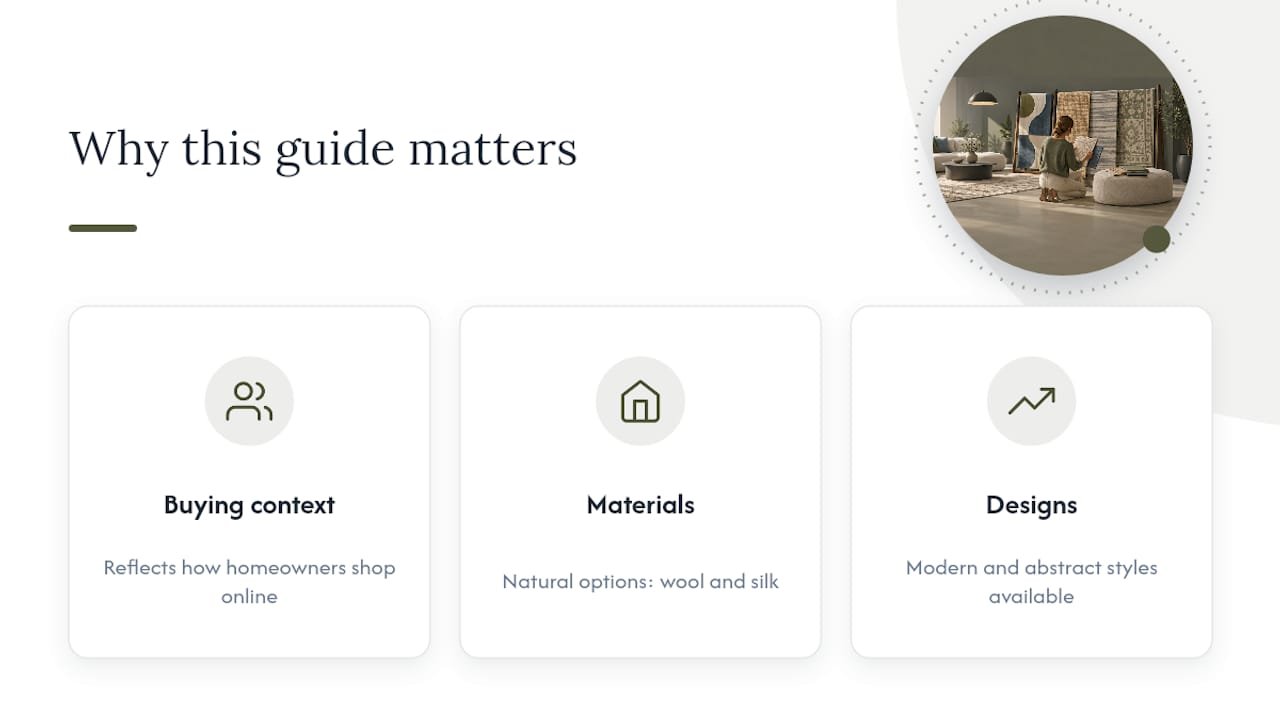
This guide was written to reflect how homeowners actually shop for rugs online, not just how showrooms display them. Rugs Online Market carries a wide range of styles, including natural-material options in wool and silk, alongside modern and abstract designs.
A simple rule for picking a modern rug
I judge a rug by one question: will it still look right in five years if the sofa or the walls change color? A bold geometric rug on a neutral base almost always passes that test, while a rug matched too closely to one specific accent color rarely does. In an entryway, that usually means choosing a distressed or abstract pattern over a trend color that will date fast.
— Kian
Shop modern rug styles at Rugs Online Market
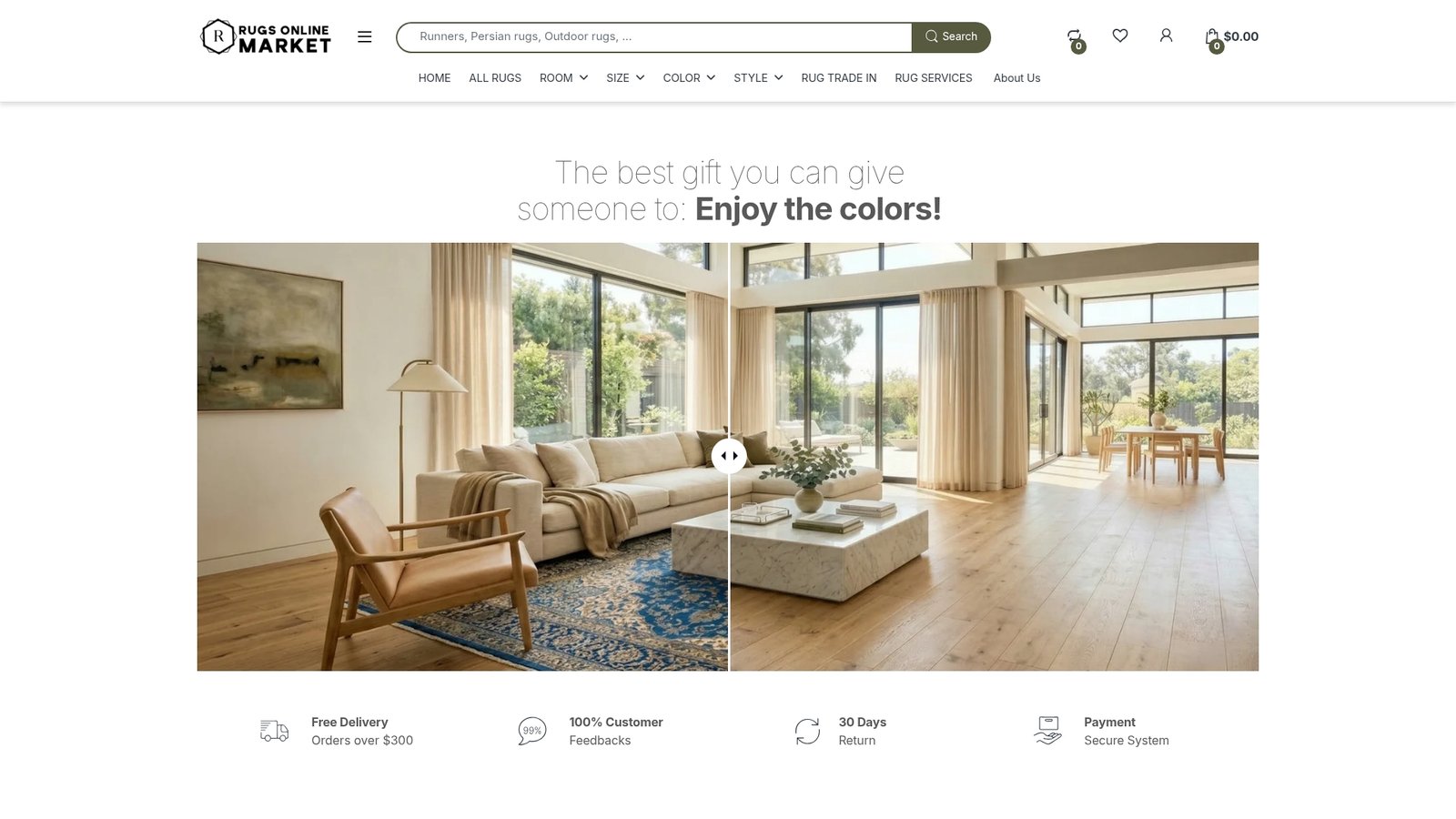
Once you know the style and size you want, Rugs Online Market makes it simple to browse by category, from handmade rugs for artisanal texture to natural rugs for layering bases. Order a swatch first to check color and pile in your own light, then shop knowing every order over $300 ships free and returns are hassle-free within 30 days.
Sources and further reading
Claims here draw on GoodWeave’s ethical labeling standard, Affirm’s payment guidance, the Rugs.com app listing, and Positive Luxury’s Butterfly Mark for sustainability context.

FAQ
What type of rugs are trending now?
Painterly abstract patterns, low-contrast neutral tones, and natural fibers blended with wool or cotton are among the styles gaining attention right now. Interest in ethical labeling, like the GoodWeave label, is also shaping which rugs shoppers choose.
What are the trends in rugs for 2026?
Expect softer, blended abstract patterns to keep gaining ground over sharp geometric repeats, along with muted neutral palettes replacing high-contrast pairings. Natural-fiber blends and ethically labeled options are also becoming more common considerations for buyers.
Should your rug be lighter or darker than your furniture?
A rug lighter than your furniture tends to open up a small or dim room, while a darker rug grounds a space that already has light walls and light upholstery. Neither choice is universally correct; it depends on the room’s existing color balance.
What is the best modern rug?
The best modern rug depends on the room and your lifestyle: geometric and abstract styles suit statement spaces like living rooms, while minimal and natural-fiber styles fit calmer rooms like bedrooms. Rugs Online Market offers modern, abstract, and natural-fiber options across materials like wool and silk, so you can match style to durability needs.
