






























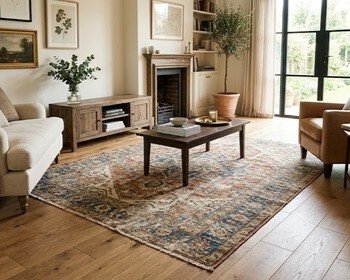









Eco-Friendly and Stylish Flooring Area Rugs
Welcome to the world of sustainable area rugs! In today’s world, where environmental consciousness is more important than ever, choosing eco-friendly home decor is a fantastic way to make a difference. Sustainable area rugs are more than just floor coverings; they’re a statement about your commitment to a healthier planet and a healthier home. This guide will walk you through everything you need to know about sustainable area rugs, from the materials they’re made of to the benefits they offer. You’ll discover how choosing these rugs can reduce your carbon footprint, conserve precious resources, support fair labor practices, and help you create a stylish and environmentally responsible home. Let’s explore the exciting world of green flooring options and learn how they can transform your living space while making a positive impact on the world.
Materials Matter: Exploring Sustainable Options
The foundation of any sustainable area rugs lies in its materials. Selecting the right materials ensures that your rug is not only beautiful but also kind to the environment. Different materials offer unique benefits, from the soft comfort of natural fibers to the durability of recycled plastics.
Organic Cotton Rugs
Let’s begin with organic cotton rugs, a popular and eco-friendly choice. Organic cotton is grown without harmful synthetic pesticides, herbicides, and fertilizers. This farming method protects the soil and water systems from contamination, reducing the environmental footprint. In addition to being good for the planet, organic cotton area rugs bring numerous advantages to your home.
-
Environmental Benefits: By choosing organic cotton, you are supporting farming practices that are gentler on the environment. Because there are fewer chemicals used, the soil remains healthier, and water is conserved.
-
Benefits for the Consumer: These rugs are celebrated for their comfort and softness underfoot, adding a luxurious feel to any room. Their hypoallergenic properties make them a great option for those with allergies, and their durability ensures that they’ll last for years to come.
organic cotton rugs
Recycled Plastic Rugs
Next up, we have recycled plastic rugs, an innovative and effective way to give plastic waste a new life. These rugs are made from plastic bottles and other plastic waste, which is collected, processed, and transformed into durable yarn or fibers.
-
The Recycling Process: This process diverts waste from landfills and oceans, helping to reduce pollution.
-
Environmental Advantages: Producing rugs from recycled materials often requires less energy and water compared to manufacturing from new materials, further reducing their environmental impact.
-
Practical Benefits: Recycled plastic rugs are known for their resistance to wear and tear, making them ideal for high-traffic areas. They’re often water-resistant, making them suitable for outdoor use or areas prone to moisture. They are available in a variety of styles.
Natural Fiber Rugs
Natural fiber rugs offer a classic, eco-friendly option that brings warmth and texture to your home. These rugs are made from renewable resources and offer a unique aesthetic appeal. Some of the most popular natural fibers include:
-
Jute: Known for its durability, affordability, and natural look.
-
Sisal: Offers strength and texture, perfect for high-traffic areas.
-
Wool: Provides softness, warmth, and a luxurious feel while being stain-resistant.
The use of natural fiber rugs reflects a commitment to sustainable practices.
-
Eco-Friendliness: Most of these fibers are sourced from renewable resources and are biodegradable, reducing their environmental impact at the end of their life.
-
Sourcing and Production: It is crucial to source materials from suppliers that follow fair labor practices and utilize sustainable harvesting practices to protect the environment.
Non-Toxic Rug Brands
Your health and the environment can benefit from choosing non-toxic rug brands. Conventional rugs are often treated with chemicals that can pose health risks.
-
Harmful Chemicals:
-
VOCs (Volatile Organic Compounds): Can be released into the air and cause health problems.
-
Pesticides and insecticides: Can be used during production.
-
Flame retardants: Associated with potential health risks.
-
-
Choosing Non-Toxic Rugs:
-
Certifications: Look for certifications like OEKO-TEX, which test for harmful substances.
-
Materials: Choose rugs made from natural or recycled materials.
-
Manufacturing: Ask brands about their processes and chemical use.
-
Reviews: Read customer reviews for potential health issues.
-
Sustainability Beyond Materials
Sustainability in sustainable rugs goes beyond the materials used. It also encompasses ethical production practices, certifications, and minimizing environmental impact throughout the manufacturing and shipping processes.
Ethical Production Practices
Sustainable rugs also emphasize ethical production practices. This includes ensuring fair wages, safe working conditions, transparency in the supply chain, and community involvement. Choosing rugs made with these practices supports social responsibility and promotes fair labor standards.
Certifications
Certifications play a key role in verifying the sustainability claims of sustainable rugs. These certifications ensure that rugs meet specific environmental and social standards.
-
GOTS (Global Organic Textile Standard): Guarantees organic textile production.
-
OEKO-TEX: Focuses on testing for harmful substances.
-
Fair Trade Certified: Focuses on fair labor practices.
-
Other Certifications: Cradle to Cradle.
These certifications provide assurance that the rug meets certain standards of sustainability and ethical production.
Environmental Impact of Manufacturing and Shipping
The environmental footprint of rug manufacturing and shipping is an essential factor.
-
Local Production: Choosing rugs manufactured closer to the consumer reduces transportation emissions.
-
Efficient Shipping: Companies can minimize their carbon footprint through efficient shipping methods.
-
Reducing Waste: Practices like using recycled water and minimizing energy consumption during manufacturing.
Consider the entire supply chain when making purchasing decisions to support companies committed to reducing environmental impact.
Caring for Your Sustainable Area Rugs
Caring for your sustainable rugs properly will ensure their longevity and maintain their beauty. Proper cleaning and maintenance are essential.
Cleaning and Maintenance Tips
The cleaning and maintenance practices for your sustainable rugs depend on the materials.
-
Organic Cotton Rugs: Vacuum regularly, spot clean with mild soap and water, and avoid harsh chemicals.
-
Recycled Plastic Rugs: Vacuum or sweep regularly, rinse with water and mild soap, and let air dry.
-
Natural Fiber Rugs: Vacuum regularly, spot clean with a dry cloth, and avoid getting them overly wet.
Use eco-friendly cleaning products and practices.
Prolonging Rug Life
To reduce waste, you’ll want to extend the life of your rug as much as possible.
-
Rug Pads: Use rug pads to protect the rug and prevent slippage.
-
Rotation: Rotate the rug regularly to ensure even wear.
-
Spills and Stains: Address spills and stains promptly.
-
Professional Cleaning: Consider professional cleaning as needed.
These practices will help keep your rug in excellent condition for years.
Addressing Common Concerns
There are often questions about the practicality of sustainable rugs.
-
Cost Comparisons: While the initial cost may be slightly higher, the durability and long-term benefits can make sustainable rugs a worthwhile investment.
-
Durability: They can handle wear and tear, especially in high-traffic areas.
-
Style: Available in a wide variety of styles.
Conclusion
Choosing sustainable area rugs is a step toward a healthier home and a healthier planet. These rugs are made with eco-friendly materials and are produced using ethical practices. They help to reduce your carbon footprint while creating a stylish and environmentally responsible home.
Reiterating the benefits of sustainable rugs:
-
Environmental: Reduces the use of harmful chemicals
-
Health: Helps to create a healthy environment
-
Social: Supports fair labor practices
Making informed decisions and choosing sustainable rugs is an easy way to contribute to a sustainable future. Explore these options and consider reputable brands.
