






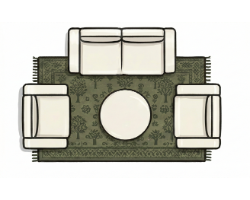
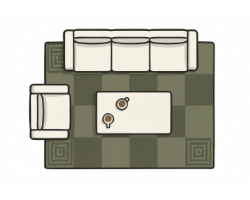
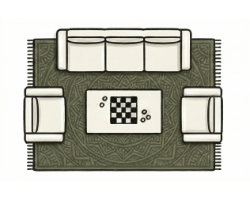
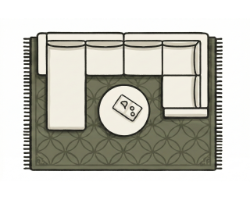












Pick an organic cotton rug that carries GOTS documentation and a vendor-stated washable construction, and you cover the three things that matter most for family living: verified fiber, easy cleaning, and low chemical load. We at Rugs Online Market recommend starting with low-pile or flatweave styles, because they handle washing and daily traffic best.
Key Takeaways
Choosing a GOTS-certified organic cotton rug that is washable, low in VOCs, and durable ensures a safe, eco-friendly, and practical option for family living spaces.
| Point | Details |
|---|---|
| Check fiber certification | Look for GOTS documentation or a clear scope certificate to verify the fiber’s organic status. |
| Prioritize washable construction | Select low-pile or flatweave rugs that tolerate machine washing for easy cleaning and longevity. |
| Verify chemical safety | Ask for third-party documentation and certification details to confirm low chemical residues and VOCs. |
| Assess correct maintenance | Follow the vendor’s care instructions for washing and drying to maintain rug durability and reduce off-gassing. |
| Shop from Rugsonlinemarket | We recommend Rugsonlinemarket for certified, washable, and natural fiber rugs with reliable documentation. |
Table of Contents
- What should you check before buying an organic cotton rug?
- How do you verify a rug is truly organic?
- How do you wash and maintain an organic cotton rug?
- How can you reduce VOCs and off-gassing from a new rug?
- What affects the price of an organic cotton rug, and what about returns?
- How long do organic cotton rugs last?
- How do organic cotton rugs compare with synthetic and other natural fibers?
- What is the environmental case for organic cotton rugs?
- Which design styles and rooms suit organic cotton rugs?
- Why we pick washability first
- Where to shop for organic and natural rugs
- FAQ
- Sources
What should you check before buying an organic cotton rug?
A good product page answers a handful of questions before you ever add to cart. Use this checklist to compare listings side by side:
- Fiber content and certification: Look for GOTS documentation or a clear scope certificate, which is how organic textile claims are verified in the U.S. market.
- Construction type: Flatweave and low-pile cotton rugs are the most likely to tolerate machine washing, while looped, hand-loomed and high-pile styles can be more delicate, as editorial buyer guides note.
- Backing and adhesives: Avoid PVC-backed or heavily glued rugs. Backings and adhesives are a known source of VOCs, as the EPA explains.
- Pile height and weight: Choose low pile for hallways, kitchens and play areas you will wash often, and thicker pile for cozy, low-traffic bedrooms.
- Care and return details: Confirm the wash instructions, return window and any size or sample options before you buy.
If you want a second opinion on shortlists, our guide to the best cotton rugs walks through our picks for different homes.
How do you verify a rug is truly organic?
“Organic” on a tag is a claim, and certification is the proof. GOTS, the Global Organic Textile Standard, requires organic fiber and also covers the entire processing chain, including chemical, environmental and social criteria. In the U.S., GOTS-certified textiles may be sold as organic, but finished textiles rarely carry the USDA organic seal unless they are also certified under the National Organic Program, according to the USDA Agricultural Marketing Service.
Here is what to ask a seller for:
- The name of the certifier and the certificate number
- A GOTS scope certificate or transaction certificate for the specific product
- Visible third-party documentation rather than a vague “made with organic cotton” line
Why GOTS is a trust signal: GOTS implementation relies on on-site auditing, chemical residue testing and chain-of-custody documentation, all verified by accredited certification bodies.
Traceability and record-keeping are also central to the GOTS due diligence requirements, which is why paperwork you can actually read beats a marketing phrase.
How do you wash and maintain an organic cotton rug?
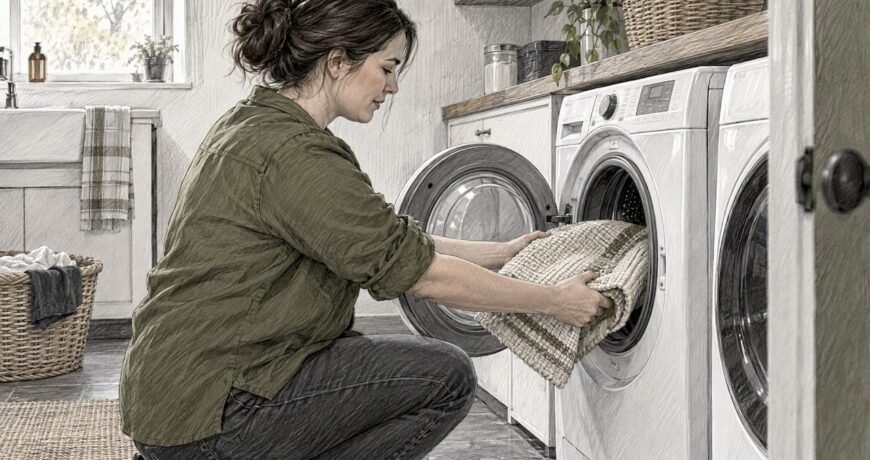
Washability depends on construction. The Good Trade’s editors point out that only certain cotton constructions tolerate home machine washing without losing texture or shrinking, so always check the vendor’s weight and size limits first. Then follow these steps:
- Read the care label and the product page instructions, and confirm your machine can handle the rug’s size and weight.
- Shake out loose dirt and vacuum both sides before washing.
- Wash on a gentle or bulky cycle with a mild detergent, and skip harsh bleach.
- Dry on low heat or air-dry flat to limit shrinkage, following the manufacturer’s directions.
- Vacuum regularly between washes. Carpets and rugs act as a sink for dust, allergens and other pollutants, so regular vacuuming matters whatever the fiber.
If a rug will sit in storage, clean it first. Practitioner guidance warns that natural-fiber rugs stored dirty can attract moths and other pests, so use a pest-resistant container.
Pro Tip: Order a small, inexpensive size or sample first and wash it once to test the vendor’s claim before you commit to a large area rug.
How can you reduce VOCs and off-gassing from a new rug?
New carpets and rugs can release volatile organic compounds from backings, adhesives and some dyes. The EPA reports that emission rates from new carpet can range from 12.5 to 213.5 mg/m2/hr on the first day, decaying significantly over time, with off-gassing typically highest in the first 72 hours. A CDC-backed workshop report adds that carpets influence indoor chemistry and microbiology, so maintenance and product design both count.
Practical steps:
- Choose undyed or low-impact dyed rugs with textile-only backings.
- Unroll the rug and air it out before prolonged indoor use.
- Ventilate the room, and if you can, keep the space unoccupied during the first airing.
- Ask the seller about third-party chemical testing or participation in a low-emission program.
Our guide to non-toxic rugs explains why asking about backing matters as much as asking about fiber.
What affects the price of an organic cotton rug, and what about returns?
Organic cotton rugs typically cost more than basic synthetic washable rugs, a point The Good Trade makes in its 2026 guidance. The premium reflects sourcing, certification and, often, skilled labor. Here is what moves the number:
- Whether the rug is GOTS certified
- Handmade versus machine-made construction
- Country of production
- Whether the rug is machine washable at a larger size
Size matters for logistics too. Large washable rugs can need special shipping, so confirm who pays return shipping and how long the return window lasts. At Rugs Online Market, check the current shipping and return terms before ordering. Before checkout, compare listings on certification evidence and washability claims rather than on price alone.
How long do organic cotton rugs last?
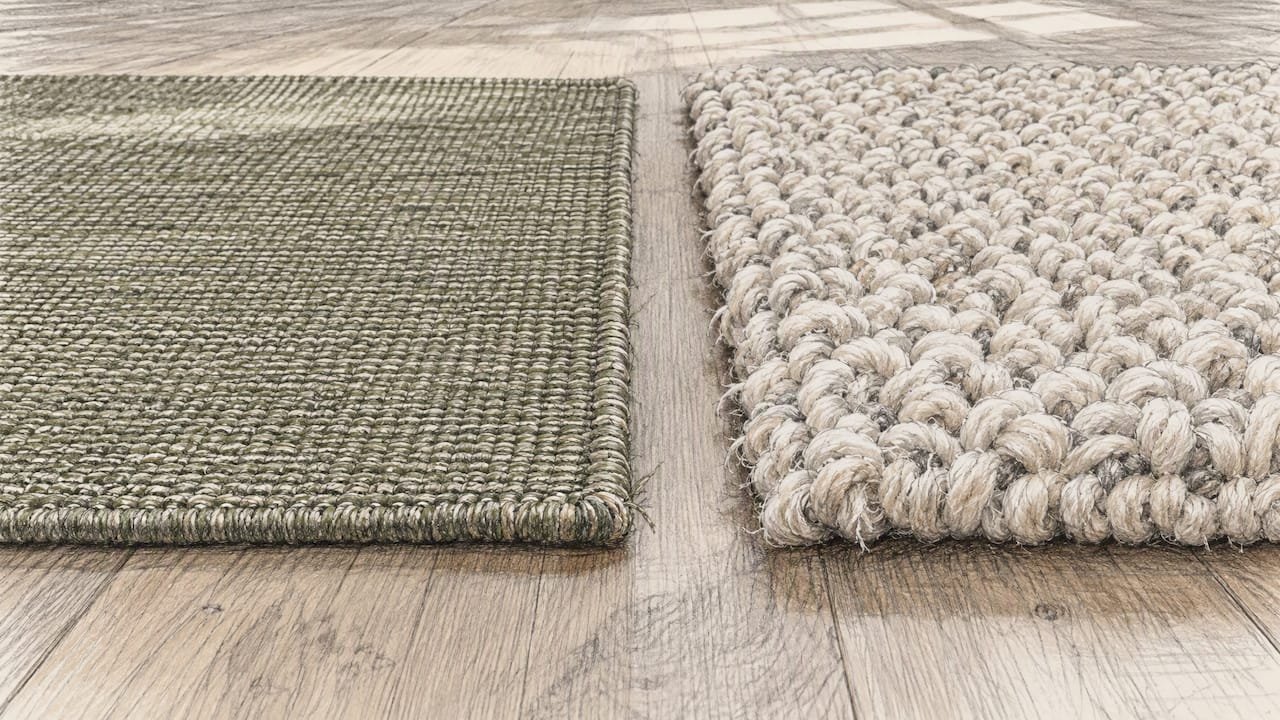
Durability comes down to construction more than fiber alone. A tightly woven flatweave holds its shape under daily foot traffic, while a loosely looped or very thick rug can flatten, fray at the edges or hold onto dirt. Cotton is a soft fiber, so it rarely matches wool for resilience, but it makes up for that with something wool cannot offer: the ability to go in the wash.
Regular washing is part of longevity, not a threat to it, provided you follow the vendor’s instructions. Skipping cleaning lets grit work its way into the weave, which wears fibers down from the inside. Because carpets and rugs accumulate dust and pollutants, consistent vacuuming protects both your air and your rug.
A few habits stretch a rug’s life:
- Rotate it every few months so wear spreads evenly.
- Use a breathable pad to keep it from shifting and creasing.
- Treat spills quickly, before they set.
- Air-dry fully so moisture never lingers in the weave.
Expect a well-made, properly cared-for cotton rug to serve a family for years, and plan on replacing it sooner in the busiest spots, such as an entryway, where cheaper washable styles are often the more practical choice.
How do organic cotton rugs compare with synthetic and other natural fibers?
Each material trades something for something else. Organic cotton is soft underfoot, simple to wash and appealing to shoppers who care about low toxicity, though it generally costs more than synthetic alternatives, according to The Good Trade. Comparative editorial testing finds cotton is softer than jute and cheaper than wool, which makes it a sensible middle path.
| Fiber | Where it shines | Watch for |
|---|---|---|
| Organic cotton | Softness, washability, natural origin | Needs verified construction and care |
| Synthetic | Low price, stain resistance | Backings and treatments worth questioning |
| Jute | Texture, natural look | Rougher underfoot, harder to wash |
| Wool | Resilience, warmth | Higher cost, usually not machine washable |
Synthetic rugs win on price, but backing choices are where chemical questions tend to arise, so ask about them. Jute adds natural character yet feels coarser on bare feet. Wool is a long-lived classic, and we carry wool and silk options among our natural rugs. If you want a family floor you can launder, cotton is the practical pick.
What is the environmental case for organic cotton rugs?
The sustainability story starts at the farm. Under the standards behind GOTS, 100% organic cotton must be grown without synthetic fertilizers, pesticides or GMOs, and the processing chain that follows has to meet chemical, environmental and social criteria. That is a different footprint from conventionally farmed fiber, and it is auditable when certification is in place.
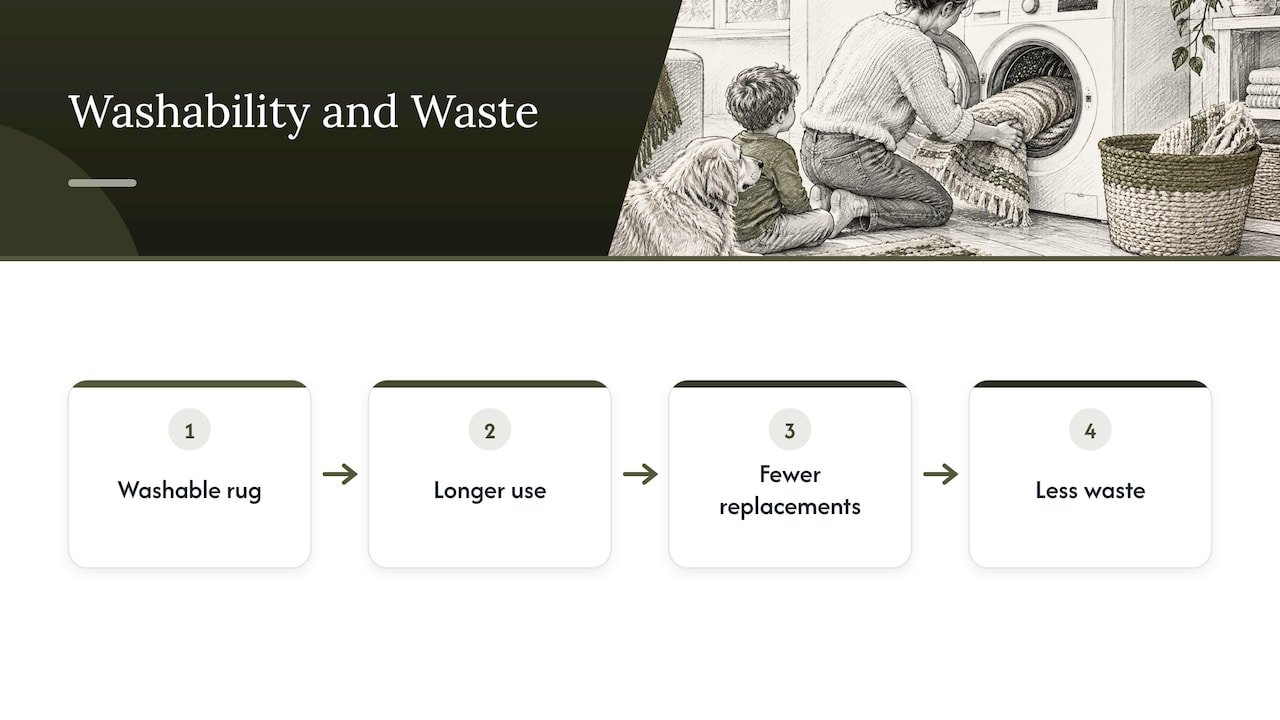
Sustainability also depends on how a rug is made and kept. The CDC-backed workshop report notes that product design and maintenance shape both sustainability and indoor environmental quality. A rug you can wash lasts longer, needs replacing less often and avoids the waste of a stained piece headed for the curb.
Hazardous substance residue limits and testing under GOTS mean the benefit reaches beyond the field and into your living room. Choosing a certified, durable, washable rug is a small decision with a real downstream effect: fewer synthetic inputs, fewer chemicals in your home and a longer useful life per rug.
Which design styles and rooms suit organic cotton rugs?
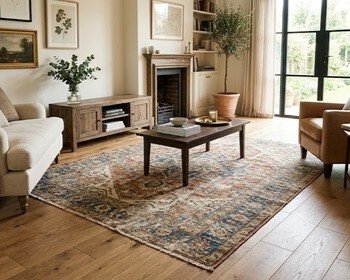
Cotton’s soft hand and relaxed look suit a wide range of decor. Flatweave stripes and checks bring a casual farmhouse or coastal feel, while neutral solids sit comfortably in minimalist and Scandinavian spaces. Woven textures and fringed edges add warmth to bohemian rooms, and washable cotton fits almost anywhere a rug sees spills.
Common uses we see shoppers choose:
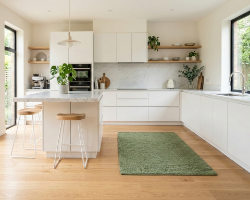
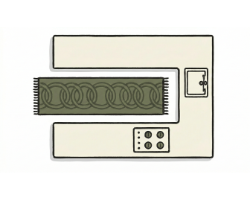
- Kitchens and dining areas: washable low-pile styles forgive crumbs and splashes. Browse our kitchen rugs and dining room rugs.
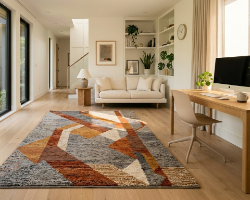
- Living rooms: a larger flatweave anchors seating and handles family traffic. See our living room rugs.
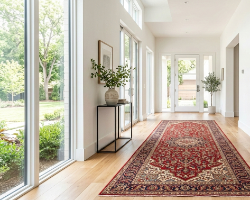
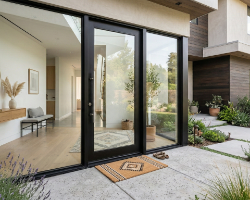
- Hallways and entries: a cotton runner cushions steps and cleans up easily. Take a look at our runner rugs.
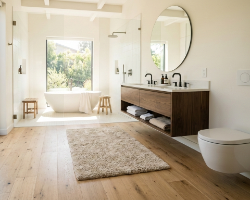
- Bathrooms: soft, absorbent mats dry quickly after a wash. Our guide to the best bathroom rugs covers comfort and safety.
Color matters too. Light, natural tones read airy and calm, while deeper or patterned weaves hide everyday wear. If you are layering rugs or placing one on a slick floor, our rug-slipping guide shows how to keep it in place without relying on a heavily glued backing.
Why we pick washability first
I measure the room, check for GOTS or other third-party documentation, confirm the wash instructions, and only then order. That order of operations saves families from the two most common regrets: a rug that cannot be cleaned and a rug whose organic claim cannot be backed up. Kids, pets and heavy traffic favor flatweave and low pile every time, and fancy texture can wait for a bedroom. Check our current shipping and return terms before ordering.
— Kian
Where to shop for organic and natural rugs

If you want a rug that is soft, washable and backed by real documentation, start with our curated natural rugs category. We bring together natural-material options, including cotton, wool and silk, and a range of washable choices. Here is what you get when you shop with us:
- Free shipping on orders over $300
- Hassle-free returns within 30 days
- Expert customer service when you need help matching a rug to your room
Check the certification and care details on each listing, compare them against the checklist above, and order the one that fits your household. Ready to look? Browse our natural rugs now, or see our washable rug alternatives if easy care is your top priority.
FAQ
Are there any non-toxic cotton rugs available?
Yes. Look for organic cotton rugs with textile-only backings and GOTS documentation, which limits hazardous substance residues. Ask the seller about third-party chemical testing, and read our guide to non-toxic rugs for backing questions to ask.
What is the healthiest material for a rug?
There is no single answer, but certified organic cotton is a strong choice for low toxicity and easy washing, according to The Good Trade. Pair it with a textile-only backing and regular vacuuming, since rugs of any fiber collect dust and allergens.
Where can I find a 100% cotton rug?
You can find cotton and other natural-material options in our natural rugs category. Check each product page for fiber content, certification and wash instructions before you buy.
Is 100% organic cotton the same as 100% cotton?
No. “100% cotton” describes the fiber type, while organic means it was grown without synthetic fertilizers, pesticides or GMOs, as defined in USDA AMS guidance on organic textiles. Ask for GOTS documentation to confirm the organic claim.
Sources
- Organic Textiles | Agricultural Marketing Service
- Does carpet cause indoor air quality (IAQ) problems in schools? | US EPA
- Thegoodtrade
- Development and Implementation – GOTS – Global Organic Textile Standard
- Ten questions concerning the implications of carpet on indoor chemistry and microbiology
