






























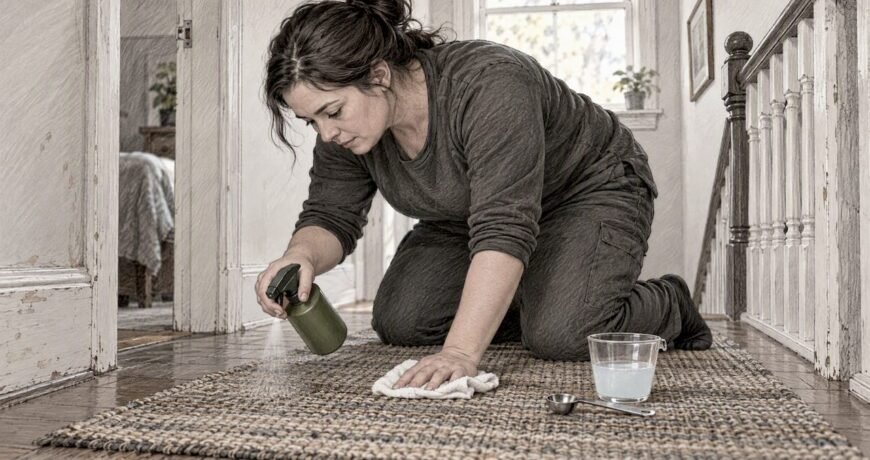
Vacuum thoroughly, then sprinkle baking soda over general odors and let it sit before vacuuming again; for pet urine, skip straight to an enzymatic cleaner instead. Always test any product in a hidden corner first and avoid soaking the rug. If the rug feels damp or smells musty, handle the moisture and mold risk before you try to deodorize anything.
Key Takeaways
Low-moisture cleaning methods combined with proper source identification are the most effective way to eliminate rug odors without damaging delicate fibers.
| Point | Details |
|---|---|
| Identify the odor source | Check for discoloration, dampness, and use a black light to find old pet stains before choosing a cleaning method. |
| Use minimal moisture | Apply cleaning solutions lightly with a mist sprayer, and always test in a hidden area to prevent damage and mold. |
| Treat pet urine with enzymatic cleaners | Blot fresh urine immediately, saturate enough to reach the backing, and let the cleaner dwell for 10 to 15 minutes for best results. |
| Rinse thoroughly and dry | Repeatedly rinse with lukewarm water using a mist sprayer and speed up drying with fans to avoid residue and odors. |
| Seek professional help for persistent odors | Valuable or heavily contaminated rugs require expert cleaning and padding replacement to prevent recurring smells. |
Table of Contents
- How to identify the odor source before you treat it
- Fast home methods for baking soda, detergent, and vinegar washes
- Treating pet urine and protein-based odors with enzymatic cleaners
- Deep cleaning and professional extraction: what to expect
- Mold, water damage, and the safety steps that come first
- Rinsing, residue, and drying technique that prevent odors from coming back
- Simple habits that keep rugs smelling fresh longer
- Signs it’s time to call in a professional
- Natural deodorizing recipes safe for delicate rugs
- Professional deodorizing services: when they’re worth it
- Deodorizing wool and silk rugs without damaging them
- Our take: go low-moisture first, and don’t gamble on delicate rugs
- FAQ
- Sources
How to identify the odor source before you treat it
Treating the wrong problem wastes time and can push a smell deeper into the fibers. Pet urine may show up as a localized spot with a sharp smell. Check the rug’s care instructions or consult a professional if you are unsure of the source. A musty smell can be a sign of moisture or mold. If the rug is damp, address the moisture before deodorizing. A faint, more evenly spread odor may come from a spill or general mustiness, but the smell alone may not identify the source.
A quick diagnostic routine helps before you choose a method:
- Look for discoloration, stiffness, or a ring-shaped stain.
- Press your palm into the area to check for dampness.
- Sniff close to the fibers and at the backing, since backing odors often mean the problem has soaked through.
- Use a black light in a dark room if you suspect old pet accidents.
Getting this right determines whether you reach for baking soda, an enzymatic cleaner, or a mold response plan.
Fast home methods for baking soda, detergent, and vinegar washes
For general mustiness or light surface odor, you can try sprinkling baking soda over the rug, then vacuum it up. Test first on a hidden area and follow the rug’s care instructions. Vacuum thoroughly, going over the area in multiple directions to pull the powder out of the pile.
For a slightly stronger clean, follow these steps:
- Mix a detergent solution of 1/4 teaspoon of liquid dish detergent per 1 cup of lukewarm water, as recommended by the Carpet and Rug Institute.
- Apply the solution lightly with a cloth or mist sprayer rather than pouring it on.
- Blot, never scrub, working from the outside of the spot toward the center.
- Rinse repeatedly with plain lukewarm water using a mist sprayer, since leftover detergent residue attracts dirt and can make the rug smell worse over time.
- Blot out as much moisture as possible, then let the area air-dry fully.
A dilute vinegar solution, 1 cup of white vinegar to 2 cups of water, is listed in the Carpet and Rug Institute’s spot-cleaning guidance. Vinegar is not an EPA-registered disinfectant and may damage natural materials, so check the rug’s care instructions before using it. Light sprays like a vodka mist or diluted essential oil may mask odor temporarily, but they do not address the source.
Pro Tip: Use a mist sprayer instead of pouring liquid directly onto the rug: it rinses evenly without soaking the backing, which means less drying time and less risk of mildew.
Treating pet urine and protein-based odors with enzymatic cleaners
Surface sprays and air fresheners cover up urine odor without removing it, because uric acid crystals stay bonded to the fibers. The Stanford guidance on eliminating dog urine odor describes enzymatic cleaners as an option for pet accidents because they break down uric acid crystals.
The sequence matters:
- Blot fresh urine immediately with a clean towel, pressing rather than rubbing.
- Use a black light in a dark room to find older spots that have dried and faded from view.
- Saturate the stain enough to reach the backing, since enzymes only work where they make contact.
- Let the cleaner dwell for the time listed on the label, often 10 to 15 minutes or longer for set-in stains.
- Blot out excess liquid and let the rug air-dry for 12 to 24 hours.
You may need to repeat treatment on tough spots, following the cleaner’s label. Avoid steam or hot water until the odor is fully gone, since heat can set the smell into the fibers and padding rather than lift it out. When the smell persists after repeated treatments and the padding underneath has absorbed urine, replacing that padding or bringing in a professional is usually the next step.
Deep cleaning and professional extraction: what to expect
Wet extraction pulls out dissolved soil and cleaning residue that a household vacuum cannot reach, and The Carpet and Rug Institute’s guidance notes that professional equipment can remove residue and help avoid overwetting. That matters because leftover residue can attract new dirt and leave a rug smelling worse.
Steam has its place, but not on urine. Heat can chemically set uric acid crystals into the fibers, so steam cleaning works best for general soiling when you have ruled out pet accidents or mold. Before booking a cleaner, it helps to ask:
- What type of rug or carpet fiber they’re equipped to handle.
- Whether they’ll check the condition of the padding underneath.
- If furniture will be moved and how the rug will be dried afterward.
Delicate, handmade, wool, or silk rugs call for a different level of care than synthetic pile, and professional cleaning standards recommend sending those pieces to a specialist rather than risking color bleed or fiber damage with a DIY approach. For step-by-step guidance on treating individual stains without making them worse, see our guide to removing rug stains (link corrected below).
Mold, water damage, and the safety steps that come first
If a rug got wet from a leak, flood, or spill and still smells musty, moisture is the real problem, not just odor. The EPA’s mold remediation guidance recommends drying the area and addressing moisture within 24 to 48 hours to prevent mold from taking hold.
A few safety rules apply once mold is visible or suspected:
- Wear gloves and at least an N95 respirator while cleaning.
- Ventilate the space and never mix bleach with ammonia or other cleaning products, since the combination produces toxic fumes.
- Treat a persistent musty smell as a sign the rug may not be fully restorable, especially if the padding underneath absorbed moisture.
- Call a mold remediation professional for widespread contamination, flooding, or if anyone in the home has respiratory sensitivities.
If mold has visibly spread through the padding or backing, cleaning the surface alone will not solve the problem, and replacing the padding or consulting a specialist is the more reliable path.
Rinsing, residue, and drying technique that prevent odors from coming back
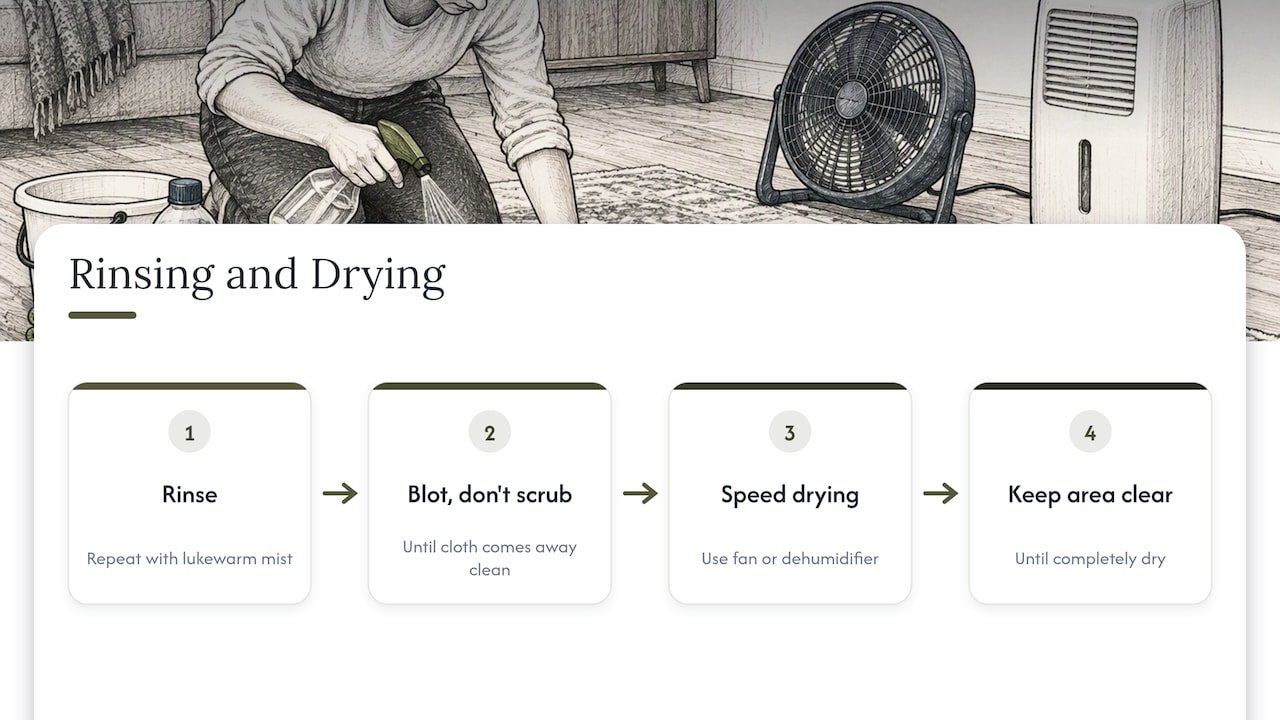
Too much detergent, or not rinsing enough of it out, can leave residue that attracts new dirt and makes a cleaned rug smell stale again. The fix is simple: rinse repeatedly with lukewarm water using a mist sprayer rather than pouring, and keep blotting until the cloth comes away clean.
Always blot rather than scrub. Scrubbing spreads a stain outward and can push soil deeper into the backing instead of lifting it out. After rinsing, speed up drying with a fan or dehumidifier and keep foot traffic off the area until it’s completely dry; residual dampness can contribute to odors returning after cleaning. Professional extraction equipment pulls out more water than a household vacuum, which is why a stubborn residue smell that won’t rinse out on its own often calls for a professional pass.
Simple habits that keep rugs smelling fresh longer
Regular vacuuming can help keep odors from building up by removing dust and debris. Use a gentle setting around fringes and on delicate weaves to avoid pulling threads loose.
A few other habits go a long way:
- Place mats at entry points and encourage a no-shoes policy to cut down on tracked-in dirt.
- Keep food and drinks off carpeted or rugged areas when possible.
- Schedule a deeper clean every 12 to 18 months for most households, and more often in homes with pets.
- Store unused rugs rolled in a dry space, never a damp basement, to avoid trapped moisture and mildew.
Signs it’s time to call in a professional
Some situations go beyond what a DIY treatment can fix. Persistent urine smell after repeated enzymatic treatments, a musty odor that won’t lift, visible mold, or flood contamination are all signs to call a specialist rather than keep treating the rug yourself. Valuable, antique, or handmade rugs also belong in professional hands, since a wrong product choice can cause permanent damage.
A reputable cleaner will usually ask about the rug’s fiber type, when it was last cleaned, and whether pets have had accidents on it. Expect them to inspect the padding, and know that replacing padding or performing specialized extraction is often part of a full fix, not just a surface clean.
Natural deodorizing recipes safe for delicate rugs
Delicate rugs, antique pieces, and anything with natural dyes call for low-moisture treatments that skip harsh chemicals altogether. A dry baking soda application may be an option, but check the rug’s care instructions and test in a hidden spot before using it.
For a mild natural refresh, a light dusting of cornstarch may be an option for light odors, but test it in a hidden spot and check the rug’s care instructions first. Avoid pouring any liquid mixture directly onto wool or silk rugs, since natural fibers absorb water quickly and can water-stain or shrink unevenly.
If you do want to spot-test a liquid method, keep it minimal: a barely damp cloth with a drop of mild soap, applied to a hidden corner first, is safer than spraying the whole rug. For rugs woven from plant fibers like jute or sisal, moisture is especially risky because the fibers hold water longer and dry slowly, raising the odds of mildew. Our jute rug cleaning guide covers low-moisture steps built specifically for that material.
The safest rule for any delicate or natural-fiber rug: less liquid, more patience, and a hidden-spot test before applying anything to the visible pile.
Professional deodorizing services: when they’re worth it
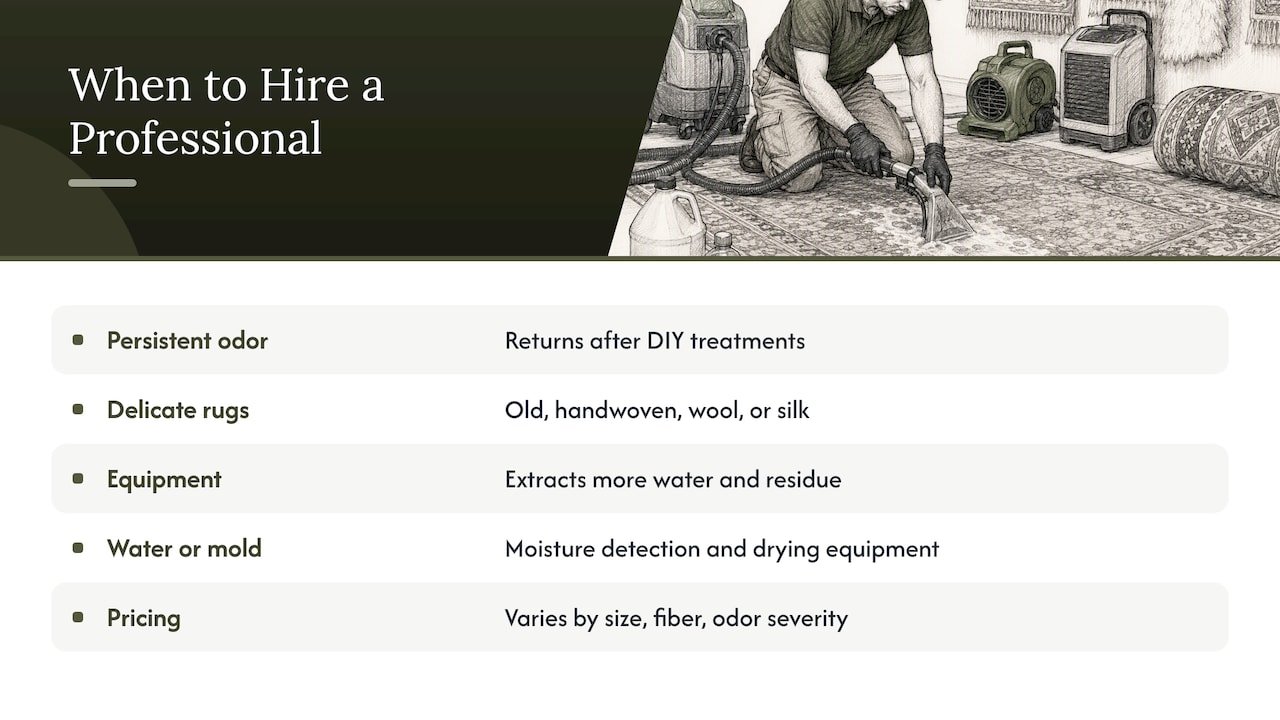
A professional deodorizing or deep-cleaning service makes sense once odors persist after you’ve tried baking soda, detergent rinses, or enzymatic treatments and the smell keeps coming back. It’s also the safer choice for rugs that are old, handwoven, or made from wool or silk, where a DIY mistake can mean permanent discoloration or fiber damage.
Professional equipment extracts more water and residue than a rented or household machine, which matters most when a rug has absorbed deep-set odors or detergent buildup from earlier cleaning attempts. For water damage or mold contamination, a remediation specialist brings moisture detection tools and drying equipment that go beyond what’s practical at home. For readers dealing with a musty smell after a leak or flood, a resource like this 24 to 48 hour triage guide walks through the urgent first steps before a mold problem sets in.
Pricing for professional rug cleaning or deodorizing varies by rug size, fiber type, and the severity of the odor, so it’s worth asking for a quote based on your specific rug rather than assuming a flat rate. A cleaner may also recommend replacing padding if it has absorbed urine or moisture that cleaning alone can’t resolve, which adds to the overall cost but prevents the odor from returning.
Deodorizing wool and silk rugs without damaging them
Wool and silk rugs may need different care than synthetic rugs. Check the care instructions or consult a specialist before deodorizing. A dry method may be preferable for these rugs, but check the care instructions or consult a specialist before applying anything.
If a spot needs more than a dry treatment, keep any liquid minimal and always test it on a hidden edge first, since dye bleed and water spotting are common problems on natural fibers. Skip vinegar on wool and silk altogether unless you’ve confirmed with the rug’s care instructions that it’s safe, since the American Cleaning Institute notes acidic solutions can damage natural materials. Avoid using steam on these fibers unless the rug’s care instructions or a specialist confirms it is suitable.
For anything beyond a light surface refresh, wool and silk rugs are better handled by a specialist familiar with natural fibers. Our silk rug care guide covers the specific risks of DIY wet treatments on silk, and our antique rug preservation guide is worth a look before attempting any at-home deodorizing on a valuable or inherited piece.
Our take: go low-moisture first, and don’t gamble on delicate rugs
The instinct to reach for the strongest cleaner in the house may be the wrong one. Consider a low-moisture approach, and check the rug’s care instructions before using a cleaner.
We recommend testing any method on a hidden area first, and leaning on low-moisture approaches whenever a rug is wool, silk, or handmade. For Persian, silk, or antique pieces, the smarter move is often professional care rather than a DIY attempt, since the cost of a mistake on a valuable rug outweighs the cost of a cleaning appointment.
— Kian
FAQ
How to get a stinky smell out of a rug?
Start by identifying the source: vacuum and apply baking soda for general mustiness, or use an enzymatic cleaner if the smell traces back to pet urine. Let the treatment dwell as directed, then rinse lightly and air-dry fully before judging whether the odor is gone.
How do I stop my rug from smelling?
Regular vacuuming, doormats at entry points, and keeping food and drinks off the rug prevent most odors from building up in the first place. Scheduling a deeper clean every 12 to 18 months, or more often with pets in the house, can help manage buildup.
What is the best rug deodorizer?
For general odors, baking soda is one option, but check the rug’s care instructions and test it in a hidden spot first. For pet urine specifically, an enzymatic cleaner that breaks down uric acid crystals works better than a surface spray or air freshener.
How to naturally deodorize carpet?
Baking soda is one natural option to consider, but check the carpet’s care instructions and test it in a hidden spot first. A light mist of diluted white vinegar, 1 cup vinegar to 2 cups water, can help with sturdier carpets, but always test a hidden spot first since vinegar can affect natural fibers.
Sources
- Potpourri – The Carpet and Rug Institute
- Mold Remediation in Schools and Commercial Buildings Guide: Chapter 4 | US EPA
- How To Eliminate Dog Urine Odor In Carpet – Great Research
