

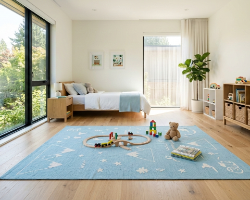
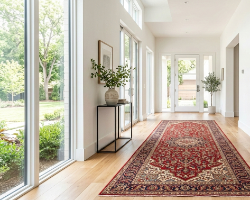
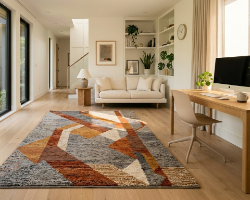
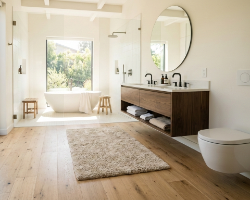





Modern Rugs 2026, Top Trends Designs for Commercial Spaces
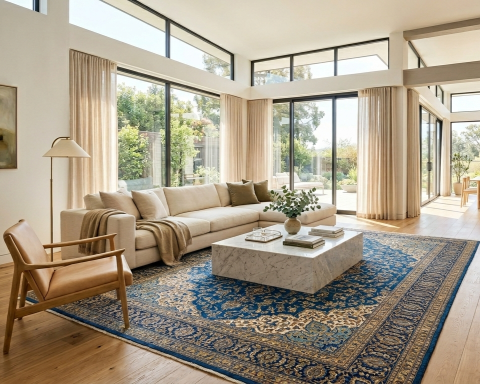
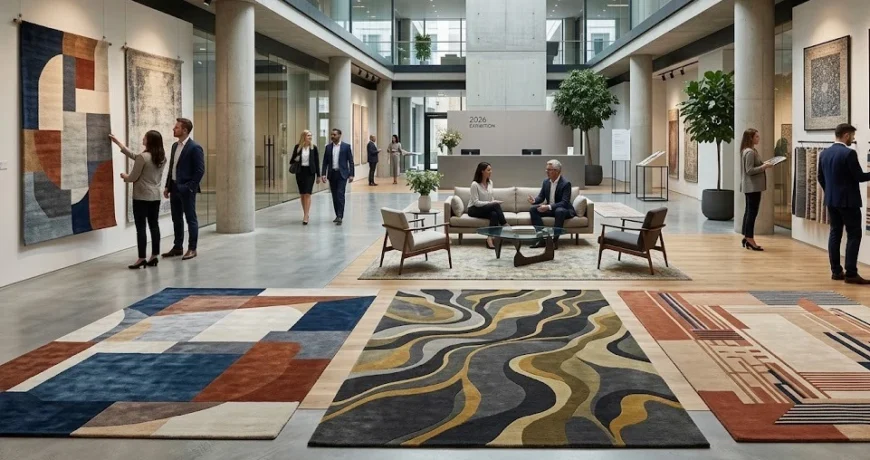
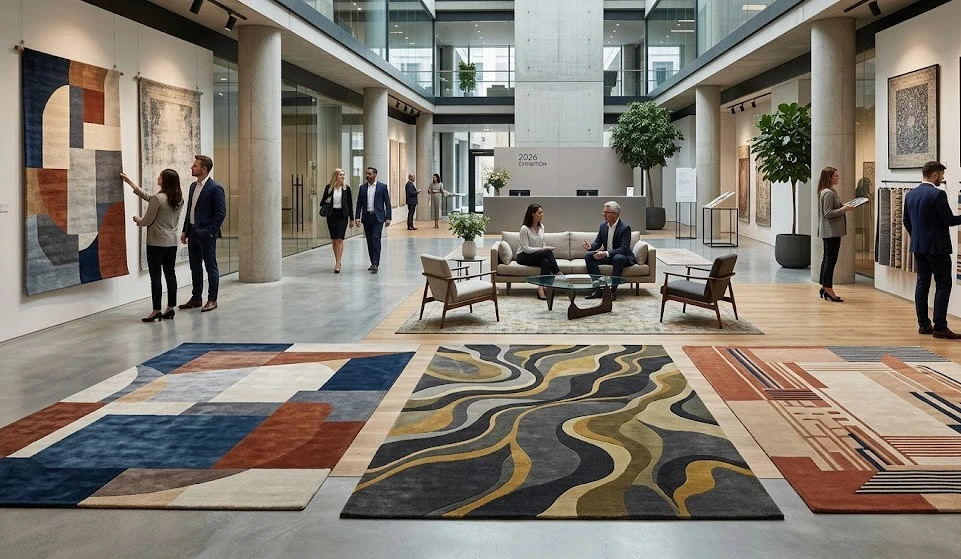
In the world of interior design, modern rugs are more than just floor coverings – they’re essential elements that define a space’s character and enhance its overall aesthetic. Modern rugs, characterized by clean lines, simple patterns, and a focus on functionality and minimalist aesthetics, are highly relevant in contemporary design. They play a crucial role in creating a visually appealing and functional environment. Their simple patterns and easy maintenance make them ideal for high-traffic areas like offices, hotels, and retail stores. Whether you’re looking to create a welcoming lobby, a stylish office space, or a chic retail environment, this guide will help you understand the versatility and benefits of modern rugs.
Defining Modern Rug Styles: Focus on Minimalism
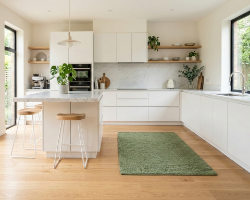
Moving beyond the introduction, let’s explore the diverse range of styles within modern rugs. One of the most prominent trends is minimalist design. Minimalism in rug design adheres to the principle of “less is more,” using minimal patterns, simple shapes, and a focus on the essential elements of design. A core element of this style is neutral minimalist rugs. A neutral color palette, including whites, grays, beiges, creams, and subtle pastels, creates a calming and versatile foundation for a space.
In commercial settings, neutral minimalist rugs offer numerous benefits. They are incredibly versatile, adapting seamlessly to different decor styles. Furthermore, they create a sense of spaciousness and cleanliness, a crucial element for commercial appeal. Minimalist designs make a strong visual impact because of their clean lines and uncluttered appearance, allowing other design elements to stand out, offering flexibility to adapt to changing commercial needs. A neutral minimalist rug in a reception area immediately conveys professionalism and sophistication. Its versatility allows for easy integration with different furniture and decor styles, making it a sound investment for any commercial space.
Geometric Rug Designs: The Backbone of Modern Aesthetics
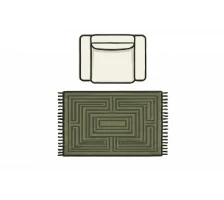
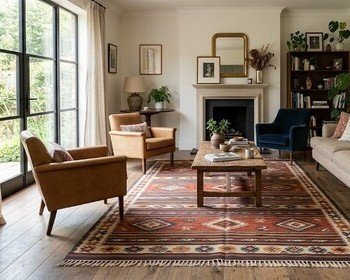
Following the concept of minimalist design, let’s examine geometric patterns, a significant characteristic of modern design. Geometric rug designs are a hallmark of modern aesthetics, adding visual interest and a sense of structure. Various geometric patterns are used in rugs, including chevrons, stripes, hexagons, triangles, and abstract shapes. The interplay of lines, shapes, and colors creates a dynamic and engaging environment, adding interest and visual appeal, preventing a space from feeling monotonous.
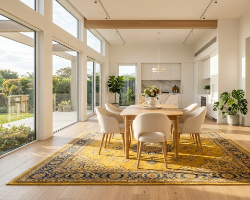
Geometric rug designs offer designers a lot of control over the level of visual impact. They can range from subtle to bold, depending on the desired effect. A geometric rug design featuring bold stripes can instantly invigorate a conference room, while a more subtle geometric pattern can provide a sense of calm and order in a waiting area.
Scandinavian Style Rugs: A Subcategory of Modern
Scandinavian style rugs represent a popular subcategory within modern rug design. With a brief history, the design principles of Scandinavian design is very unique. The core design principles are:
- Simplicity: It is important to emphasize the importance of simplicity in design, clean lines, uncluttered spaces, and a minimalist approach.
- Functionality: It is important to highlight the functional aspect, with emphasis on the practicality and durability of materials.
- Natural Materials: Discuss the use of natural materials, such as wool, cotton, and jute, which add warmth and texture to the space.
Scandinavian style rugs create a clean, modern aesthetic. The combination of simplicity, functionality, and natural materials creates a calming and inviting atmosphere, perfect for both residential and commercial settings. A Scandinavian style rug in a reception area immediately conveys professionalism and sophistication. Its versatility allows for easy integration with different furniture and decor styles, making it a sound investment for any commercial space.
Materials and Textures in Modern Rugs
The materials used in rugs greatly influence their look, feel, and durability. Here’s a look at some of the most popular options:
- Wool: Wool is a natural fiber known for its durability, softness, and excellent insulation properties. However, it can be more expensive.
- Synthetic Fibers: (e.g., nylon, polyester, polypropylene) These are known for their durability, stain resistance, and cost-effectiveness. However, they may not have the same luxurious feel as natural fibers.
- Cotton: Cotton is a soft, affordable, and easy-to-clean option, but it is less durable than wool or synthetic options.
- Jute: Jute is a natural, sustainable fiber that adds texture, but it can be less soft and durable.
- Silk: Silk is a luxurious and beautiful option but is expensive and requires special care.
Different textures influence the overall look and feel of a rug. The material often influences the texture, but the weave or construction also plays a big role. For instance, a looped pile will feel different from a cut pile. Additionally, the same material can have a variety of textures depending on how it’s made. It’s common to combine different materials to create interesting textures and visual effects. For instance, a rug might combine wool and silk to provide durability, softness, and visual appeal. A wool rug will provide a soft and luxurious feel underfoot, making it ideal for a waiting area, while a polypropylene rug can be a practical choice for high-traffic areas due to its stain-resistant properties.
Choosing Modern Rugs for Commercial Spaces
When selecting modern rugs for commercial applications, consider these key factors:
- Durability: Durability is paramount in commercial settings. Choose materials and construction methods that can withstand heavy foot traffic and wear and tear.
- Maintenance: Commercial rugs should be easy to clean and maintain to minimize costs and downtime. Look for stain-resistant options.
- Visual Appeal: The right rug can create a positive first impression and enhance the overall aesthetic of a commercial space.
- Color Palettes: Choose colors that complement the existing decor and create the desired ambiance.
- Role in Defining a Space: Rugs can be used to delineate zones, create focal points, and add personality.
For a busy office, opt for a rug made of durable synthetic fibers that are easy to clean. The visual appeal should also contribute to the positive environment of the office.
Integrating Abstract Area Rugs into Modern Interiors
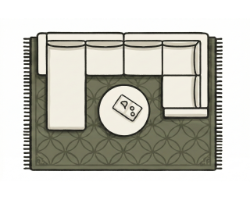
Abstract area rugs add personality and artistic flair to a space. They offer a unique way to introduce color, pattern, and texture, making them a good option for modern design schemes. You can use abstract area rugs to complement modern design schemes. Here are some key tips to consider:
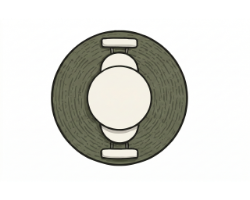
- Size: Consider the furniture layout and the overall space when deciding the ideal rug size.
- Placement: Position the rug relative to furniture, ensuring a balanced look.
- Color and Pattern: Choose colors and patterns that complement your existing decor.
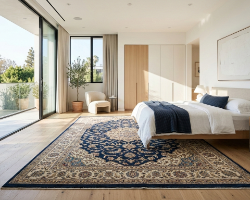
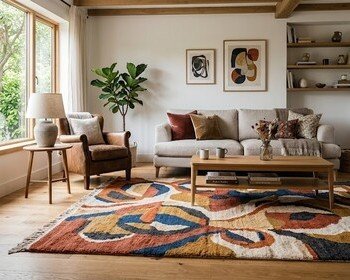
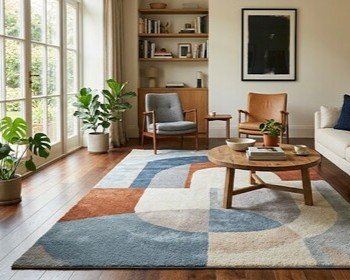
An abstract area rug with bold colors and geometric shapes can serve as a focal point in a minimalist living room, while a more subdued abstract design can add subtle visual interest to a bedroom.
Conclusion: The Enduring Appeal of Modern Rugs
Modern rugs are a timeless choice for any contemporary space. They offer versatility, aesthetic appeal, and practicality. Whether you’re designing an office, hotel, or retail space, modern rugs can enhance the overall look and feel. Explore the diverse world of modern rugs and discover how they can elevate your interior design. With their clean lines, versatile designs, and enduring appeal, modern rugs are a timeless choice for any contemporary space.
