






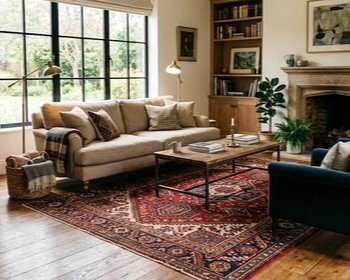
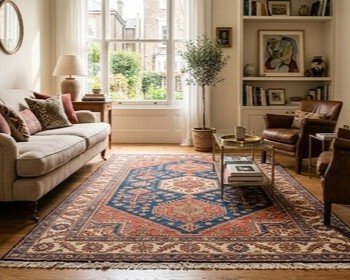

Rug pile height measures the distance from the top of the backing to the tip of the exposed fiber — and getting it right determines whether a rug lasts five years or fifteen, whether a door swings freely, and whether your vacuum actually cleans it. As a quick rule: low pile (under 0.25") for entryways, kitchens, and hallways; medium pile (0.25"–0.5") for living rooms, dining rooms, and home offices; high pile and shag (0.5"+) for bedrooms and kids’ rooms where softness matters more than durability.
Standard categories at a glance:
- Flatweave / very low: 0"–0.25" (0–6 mm)
- Low pile: 0.0"–0.25" (0–6 mm)
- Medium pile: 0.25"–0.5" (6–13 mm)
- High pile: 0.5"–0.75" (13–19 mm)
- Deep plush / shag: 0.75"+ (19 mm+)
Rugsonlinemarket carries options across all these categories, from flatweave kilims to deep-pile Gabbeh rugs, so you can compare textures before committing.
Key Takeaways
Pile height is the single most practical spec to check before buying a rug — it determines comfort, durability, maintenance effort, and whether the rug physically fits your space.
| Point | Details |
|---|---|
| Match pile to room use | Low pile (0"–0.25") for entryways and kitchens; medium (0.25"–0.5") for living rooms; high (0.5"+) for bedrooms. |
| Verify what’s being measured | Ask whether the listed number is pile-only or total product thickness — the difference can exceed 0.25". |
| Check door clearance first | Add pile height plus pad thickness and compare to the gap under your door before ordering anything over 0.5". |
| Medium pile is the general default | Medium pile (0.25"–0.5") balances comfort, vacuuming ease, and resistance to chair casters for most households. |
| Rugsonlinemarket for every category | Browse flatweave to deep-pile Gabbeh options with free shipping over $300 and 30-day returns to test at home. |
Table of Contents
- What rug pile height actually measures (and what it doesn’t)
- Pile height chart: standard categories with inch and mm ranges
- How pile construction changes the way a rug looks and feels
- Which pile height works best in each room?
- Tradeoffs by pile height: durability, comfort, and upkeep
- How to measure rug pile height accurately
- Cleaning and care by pile height
- How pile height pairs with rug materials and styles
- The pile height choice most buyers get wrong
- Find the right pile height at Rugsonlinemarket
- Sources
What rug pile height actually measures (and what it doesn’t)
Pile height is a single, specific measurement: the distance from the top of the rug’s backing to the tip of the fiber. It does not include the backing itself, the latex or jute base layer, or any rug pad underneath. That distinction matters when you’re checking door clearance or calculating total floor-to-furniture height.
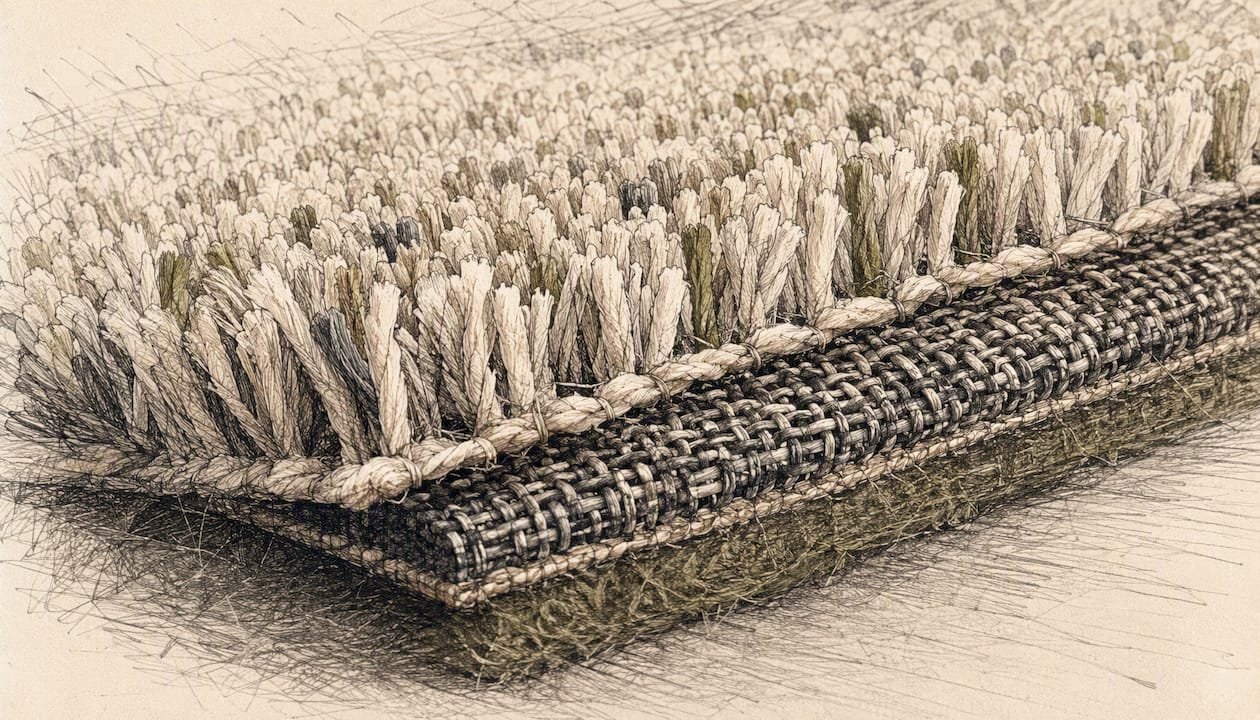
Shoppers often confuse pile height with two related but different specs. Pile density describes how tightly the fibers are packed together — a rug can be low-pile and dense, or high-pile and loosely tufted. Face weight measures the weight of the fiber per square yard, which signals durability more directly than height alone. A dense, medium-pile wool rug often outlasts a tall, loosely tufted synthetic one, even though the synthetic looks thicker.
Manufacturers label these specs inconsistently. Some list pile height in inches, others in millimeters, and a few list total product thickness (pile plus backing), which runs noticeably higher. Catalog measurements can vary by 1–2 mm from production, so treat any listed number as a close approximation rather than a guarantee. When precision matters, ask for a cross-section photo or a physical swatch.
The rug industry defines pile as the raised surface yarn that gives a rug its texture and visual character. In hand-knotted rugs, pile height varies by regional tradition and directly affects how crisp a pattern reads from a distance.
Pile height chart: standard categories with inch and mm ranges
The table below maps the five standard categories to their numeric ranges, typical style names, and best-use rooms. Ranges follow homeowner-friendly inch-based standards cross-referenced with technical millimeter ranges.
| Category | Inches | Millimeters | Common Style Names | Best Rooms |
|---|---|---|---|---|
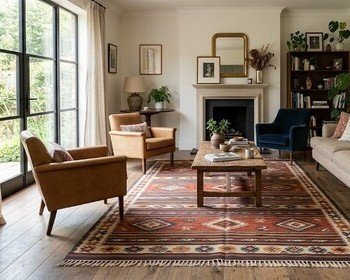
| Flatweave / very low | 0"–0.25" | 0–6 mm | Kilim, flatweave, dhurrie | Entryways, kitchens, outdoor |
| Low pile | 0.0"–0.25" | 3–8 mm | Berber, sisal-look, low-loop | Hallways, dining rooms, offices |
| Medium pile | 0.25"–0.5" | 6–13 mm | Traditional, transitional, cut pile | Living rooms, family rooms |
| High pile | 0.5"–0.75" | 13–19 mm | Plush, frieze, cut-and-loop | Bedrooms, reading nooks |
| Deep plush / shag | 0.75"+ | 19 mm+ | Shag, flokati, deep plush | Bedrooms, kids’ rooms |

Practical notes: flatweave and low-pile rugs resist matting under rolling furniture and heavy foot traffic. Medium pile hits the balance most households need. High pile and shag add warmth and sound absorption but show footprints and vacuum tracks.
Pro Tip: When a product listing says “plush” without a number, translate that into inches before buying. Ask the retailer whether the listed measurement is pile-only or total product thickness — the difference can be 0.25" or more, which is enough to catch a door or create a trip hazard at a threshold.
How pile construction changes the way a rug looks and feels
Construction type and pile height work together. The same height reads completely differently depending on how the fibers are cut or looped.

Cut pile is the most common construction. Fibers are sheared at the top, creating a soft, upright surface. At low heights, cut pile looks neat and tailored. At medium heights, it develops a slight sheen and a plush feel underfoot. At high heights, it becomes the classic “plush” rug that shows every footprint.
Loop pile (also called level-loop or Berber) leaves the fiber ends intact in a loop. This makes the surface firmer and more resilient, which is why it performs well in high-traffic areas. Loop pile at low heights is nearly as durable as flatweave. At medium heights, it still resists crushing better than cut pile at the same measurement.
Cut-and-loop combines both constructions to create sculptural patterns and textural contrast. The height variation within a single rug creates visual depth, but it also means cleaning requires more attention — a beater-bar vacuum can snag the loops.
Shag is cut pile taken to its extreme: long, loose fibers that create a dramatic, tactile surface. The pile in traditional hand-knotted rugs varies by regional tradition, and shag’s modern form echoes that same logic of using fiber length as a design element.
One thing most buyers don’t account for: pile direction. Every cut-pile rug has a nap, and light hits it differently depending on which way you view it. A rug that looks charcoal in a product photo can read as medium gray in your room, simply because the nap runs toward you instead of away. Always check a swatch in your actual lighting before committing to a color.
Which pile height works best in each room?
Room use, traffic level, and practical constraints should drive the decision more than aesthetics alone. Here’s how the categories map to real spaces:
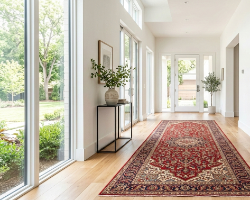
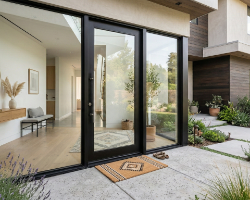
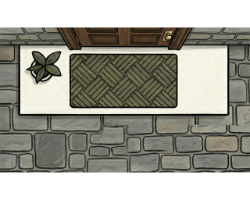
- Entryways: Flatweave or low pile (0"–0.25" / 0–6 mm). Dirt and moisture track in here first. A low-profile rug is easier to shake out, won’t catch the door, and holds up under daily foot traffic without matting.
- Hallways: Low pile (0.0"–0.25" / 3–8 mm). Runner rugs in hallways need to lie flat and stay put. Low pile reduces trip hazard and pairs well with a thin non-slip pad.
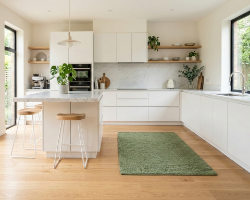
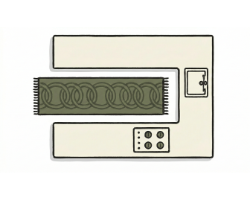
- Kitchens: Flatweave or low pile. Spills happen. A low-profile rug dries faster, is easier to spot-clean, and won’t trap crumbs the way a shag will.
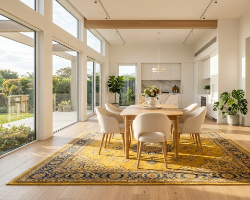
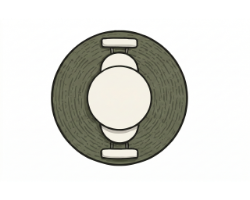
- Dining rooms: Low to medium pile (0.0"–0.5" / 0–13 mm). Chair legs drag constantly. Anything above medium pile will show wear tracks within months and may catch chair feet mid-slide.
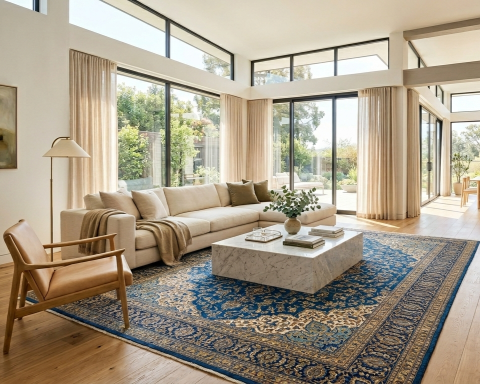
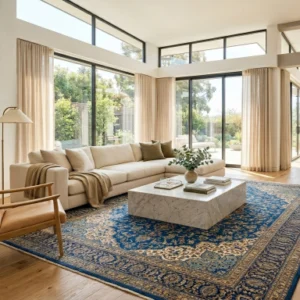
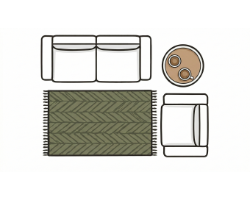
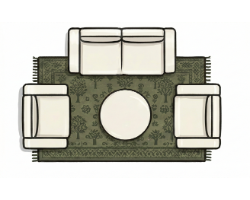
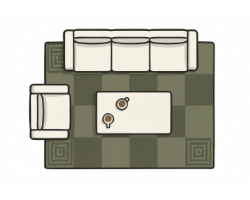
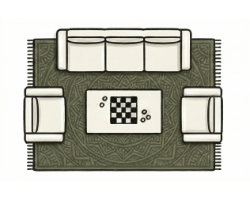
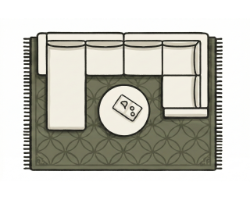
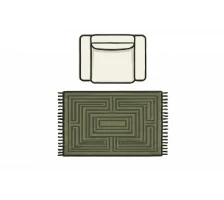
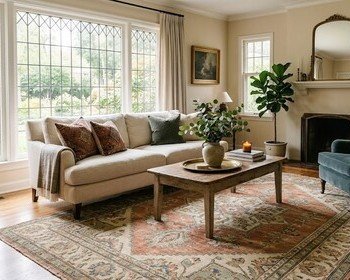
- Living rooms: Medium pile (0.25"–0.5" / 6–13 mm). This is the sweet spot for family spaces — enough cushion to feel comfortable, firm enough for a standard vacuum and rolling furniture. For living room placement guidance, medium pile also photographs well under furniture arrangements.
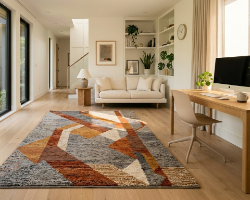
- Home offices: Low to medium pile. Chair casters are the deciding factor. Most standard office chair casters need a firm surface; medium pile is the upper limit before casters start sinking and rolling becomes an effort.
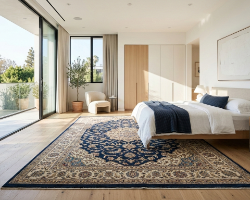
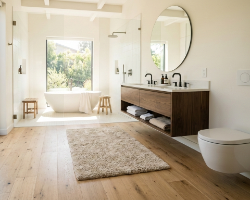
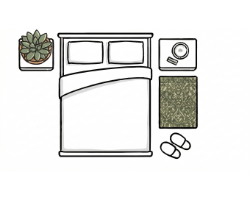
- Bedrooms: High pile or deep plush (0.5"–0.75"+ / 13–19 mm+). Traffic is minimal, and the payoff — stepping onto something soft first thing in the morning — is real. Bedroom rug placement works well with high-pile options positioned beside and at the foot of the bed.
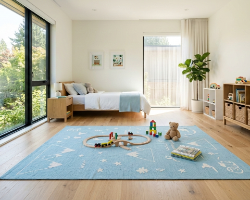
- Kids’ rooms: High pile or shag. Cushioning for play, warmth for sitting on the floor, and the fact that kids don’t drag dining chairs across it make this the one room where shag makes practical sense.
Pro Tip: Before ordering any rug over 0.5" pile, measure the gap between your door’s bottom edge and the floor. A standard interior door needs at least 0.75" of clearance. Add your rug pad thickness (typically 0.25"–0.5") to the pile height and compare. If the total exceeds the gap, size down one pile category or choose a thinner pad. Layering rugs can add cushion without increasing the pile profile of the top rug.
Tradeoffs by pile height: durability, comfort, and upkeep
Pile height alone doesn’t determine how long a rug lasts. Fiber type, density, and construction all matter more than height in isolation. That said, height does create real tradeoffs worth understanding before you buy.
Low and flatweave rugs are the most durable under heavy traffic. Shorter fibers have less surface area to absorb grit, and they don’t crush under repeated pressure. The tradeoff is comfort — flatweave rugs feel firm underfoot and offer almost no acoustic benefit.

Medium pile is where most households land for good reason. It resists matting better than high pile, cleans easily with a standard upright vacuum, and doesn’t show furniture indentations as dramatically. Higher piles increase softness and sound absorption but require more grooming and are less suitable for dining rooms and high-traffic areas — medium pile avoids both problems.
High pile and shag are the comfort leaders and the maintenance challenge. Deep fibers trap pet hair, crumbs, and fine dust below the surface where a standard vacuum can’t reach. Furniture legs sink into the pile and leave permanent indentations unless you rotate the rug regularly and use furniture coasters. Stains also penetrate deeper, which means spot-cleaning needs to happen faster.
One nuance worth knowing: deep piles create visible vacuum lines and footprints. Some buyers love the effect — it signals that the rug is plush and freshly groomed. Others find it looks perpetually messy. That’s a deliberate choice worth making intentionally before you spend money on a shag.
How to measure rug pile height accurately
Whether you’re verifying a product spec or assessing a sample swatch, measuring pile height takes about two minutes with the right approach.
- Lay the rug flat on a hard surface. Carpet or padding underneath will compress the pile and give you a false reading.
- Use a caliper or a small ruler. A digital caliper gives the most accurate result; a metal ruler works fine for a quick check.
- Part the fibers at the measurement point so you can see the backing clearly. Place the caliper or ruler base flush against the top of the backing.
- Measure to the tip of the fiber — not to the average fiber height, but to the tallest standing fiber at that spot.
- Take measurements in at least three spots across the rug (center, edge, corner) and average them. Pile height varies slightly across a hand-knotted or hand-tufted rug, and catalog measurements can differ from production by 1–2 mm.
- Compare to the product listing. If the number is higher than listed, the manufacturer may be quoting total product thickness rather than pile-only. If it’s lower, the rug may have been compressed in shipping — let it rest 24–48 hours and re-measure.
For online purchases, ask the retailer for a cross-section photo or a physical swatch before ordering a large size. A swatch lets you check both pile height and fiber feel in your actual room lighting.
Cleaning and care by pile height
The right cleaning approach depends almost entirely on how tall the pile is. Using the wrong vacuum mode on a shag rug can pull fibers loose; under-vacuuming a medium pile lets grit work its way to the backing and cut fibers from below.
Flatweave and low pile:
- Vacuum weekly with a standard upright or canister, beater bar on.
- Shake out smaller rugs monthly.
- Spot-clean spills immediately with a damp cloth and mild detergent.
- Professional cleaning every 12–18 months for heavily used pieces.
Medium pile:
- Vacuum weekly, beater bar on low setting.
- Rotate the rug 180° every six months to even out wear.
- Use furniture coasters under heavy legs to prevent permanent indentations.
- Professional cleaning every 12–18 months, or sooner if you have pets.
High pile and shag:
- Vacuum with suction-only mode (no beater bar). A beater bar tangles long fibers and accelerates shedding.
- Shake out smaller pieces outdoors monthly.
- Use a wide-tooth rug rake or soft brush to restore the pile direction after vacuuming.
- Professional cleaning every 12 months. Deep fibers trap allergens and pet dander that home vacuums can’t fully extract.
- For wool high-pile rugs, avoid soaking. Wool is resilient but slow to dry, and moisture trapped near the backing causes mildew.
Fiber type adds another layer. Wool rugs at any pile height resist staining naturally and bounce back from compression better than synthetics. Silk rugs — typically low pile — need professional cleaning only; water and DIY cleaners damage the fiber. Synthetic rugs (polypropylene, nylon) tolerate more aggressive cleaning but flatten faster under heavy traffic than wool at the same height.
To prevent permanent matting: rotate regularly, use furniture coasters, and never fold a high-pile rug for storage. Roll it pile-side out.
How pile height pairs with rug materials and styles
Pile height and fiber type interact in ways that affect both how a rug looks and how long it lasts. Matching them deliberately is one of the clearest ways to get more value from a purchase.
- Wool at medium pile (0.25"–0.5"): The most practical pairing for living rooms and family spaces. Wool’s natural crimp gives medium pile good resilience — it springs back after compression and holds color well. Rugsonlinemarket’s natural rug collection includes wool options across traditional and transitional styles.
- Silk at low pile (under 0.25"): Silk fibers are fine and lustrous, and a low pile lets the pattern and sheen show clearly. Taller silk piles tend to look uneven and are harder to maintain. Persian and Turkish rugs in silk almost always use low pile for this reason.
- Cotton at low to medium pile: Cotton is affordable and easy to wash, which makes it a natural fit for kitchens and kids’ rooms. It doesn’t have wool’s resilience, so keeping it at low to medium pile reduces the risk of matting.
- Synthetic fibers (polypropylene, nylon) at any height: Synthetics are stain-resistant and budget-friendly. At low pile, they work well in high-traffic areas. At high pile, they’re soft but flatten faster than wool — a reasonable tradeoff if you’re furnishing a guest bedroom rather than a daily-use living room.
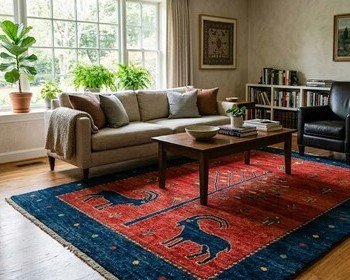
- Gabbeh rugs: These traditional Persian pieces use a thick, dense wool pile — typically medium to high — that gives them their characteristic chunky texture. Rugsonlinemarket’s Gabbeh collection shows how pile height and tribal patterns work together.
When ordering online, request a swatch before committing to a large size. Rugsonlinemarket offers a 30-day return window and free shipping on orders over $300, which reduces the risk of ordering a pile height that doesn’t work in your space. A swatch also lets you test the rug in your room’s actual lighting — the single most reliable way to avoid a color or texture surprise.
The pile height choice most buyers get wrong
Most buyers default to the tallest, softest option they can find, then regret it six months later when the rug mats under the sofa, the vacuum leaves tracks, and the dining chairs start catching. The instinct makes sense — a deep pile looks luxurious in a showroom or a product photo. But a rug that’s hard to maintain stops feeling luxurious fast.
The smarter move is to choose pile height based on the room’s actual use, then find the most beautiful rug within that constraint. A well-chosen medium-pile wool rug in a living room will look better at year five than a shag that’s been flattened by a sectional sofa. And a low-pile kilim in an entryway will still look sharp after years of daily traffic, where a plush rug would have matted and stained.
Order a swatch. Test it in your lighting, with your furniture, under your actual conditions. The difference between a pile height that works and one that doesn’t is often something you can only feel in person.
Find the right pile height at Rugsonlinemarket
Choosing pile height is easier when you can see and feel the options before committing to a full-size purchase. Rugsonlinemarket carries rugs across every pile category — from flatweave kilims and low-pile traditional Persian designs to medium-pile wool pieces and deep-pile Gabbeh rugs — organized by room, style, and material so you can filter by what actually matters for your space.

Free shipping applies to orders over $300, and every purchase comes with a 30-day return window. If you’re deciding between pile heights, start with the washable low-maintenance options for high-traffic rooms, or browse the full shop to compare textures side by side. When you’re ready to narrow down, the shop lets you filter by style, size, and material to find the right pile for every room in your home.
Sources
For technical measurement definitions and millimeter-based pile categories, the most detailed trade-level guidance comes from Kapetto’s pile height guide, which covers the full range from flatweave to deep plush and explains how to verify manufacturer specs. For homeowner-focused inch-based ranges and room recommendations, D and G Flooring’s pile height chart is the clearest practical reference. The Rug Industry glossary entry on pile provides the standard trade definition. For a straightforward comparison of high-pile versus low-pile tradeoffs, Living Spaces’ guide covers the comfort and maintenance balance clearly. Product examples across pile categories are available directly through Rugsonlinemarket’s Gabbeh collection and the broader shop.
