












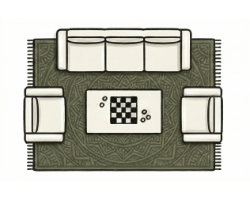
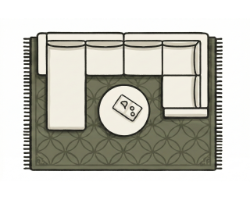
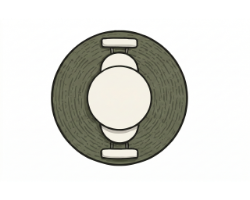
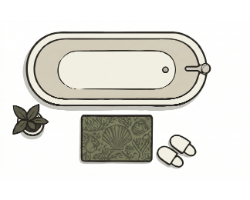








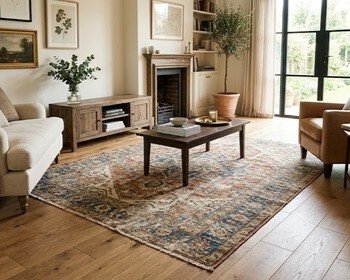








Wool-and-silk rugs earn their keep in low- to medium-traffic rooms where you want a sheen and color depth pure wool can’t match. If your household sees heavy foot traffic, pets, or daily spills, lean toward a wool-dominant blend or skip the silk entirely. If you’re dressing a formal living room or a primary bedroom, a higher silk percentage rewards you with a rug that catches light differently depending on where you stand.
- High-silk blends (40% or more): formal living rooms, dining rooms used occasionally, low-traffic bedrooms.
- Wool-dominant blends (80% wool or higher): hallways, family rooms, homes with kids or pets, any space that gets walked on daily.
Key Takeaways
Wool-and-silk rugs deliver a sheen and color depth wool alone can’t match, but that beauty trades off against durability in exact proportion to how much silk the blend contains.
| Point | Details |
|---|---|
| Match blend to room traffic | Use wool-dominant blends (80%+) in hallways and family rooms; save higher silk content for formal or low-traffic spaces. |
| Construction affects lifespan | Hand-knotted rugs hold detail and durability longer than tufted or machine-made pieces. |
| Care requires gentler methods | Blot spills instead of rubbing, and confirm dry-cleaning is recommended before hiring a professional cleaner. |
| Budget for the full total | Add shipping, sales tax, and any import duties to the listed price before comparing options. |
| Shop Rugsonlinemarket for transparency | Rugsonlinemarket lists fiber percentages, care guidance, free shipping over $300, and 30-day returns on its wool-and-silk listings. |
Table of Contents
- What Are Wool and Silk Rugs Made Of?
- How Durable Are Wool and Silk Rugs, Really?
- How to Choose the Right Wool-and-Silk Rug
- Cleaning and Caring for Wool and Silk Rugs
- Where to Buy and What Prices to Expect
- Why Shop Wool-and-Silk Rugs at Rugsonlinemarket
- How Long Does Shipping Take for These Rugs?
- What Does a Wool-and-Silk Rug Actually Cost You?
- What to Know About Warranties and Returns
- Certifications and Authenticity to Look For
- How Do Wool-and-Silk Rug Makers Compare?
- An Editor’s Take on Buying Wool-and-Silk Rugs
- Ready to Shop Wool-and-Silk Rugs?
- Sources
- FAQ
What Are Wool and Silk Rugs Made Of?
A wool-and-silk rug combines two fibers with very different jobs. Wool forms the structural backbone, the fiber that gives a rug its resilience, springiness, and ability to hide dirt between cleanings. Silk gets layered in, either woven throughout the pile at a set ratio or concentrated in specific motifs, to add a sheen and depth of color that wool alone can’t produce.
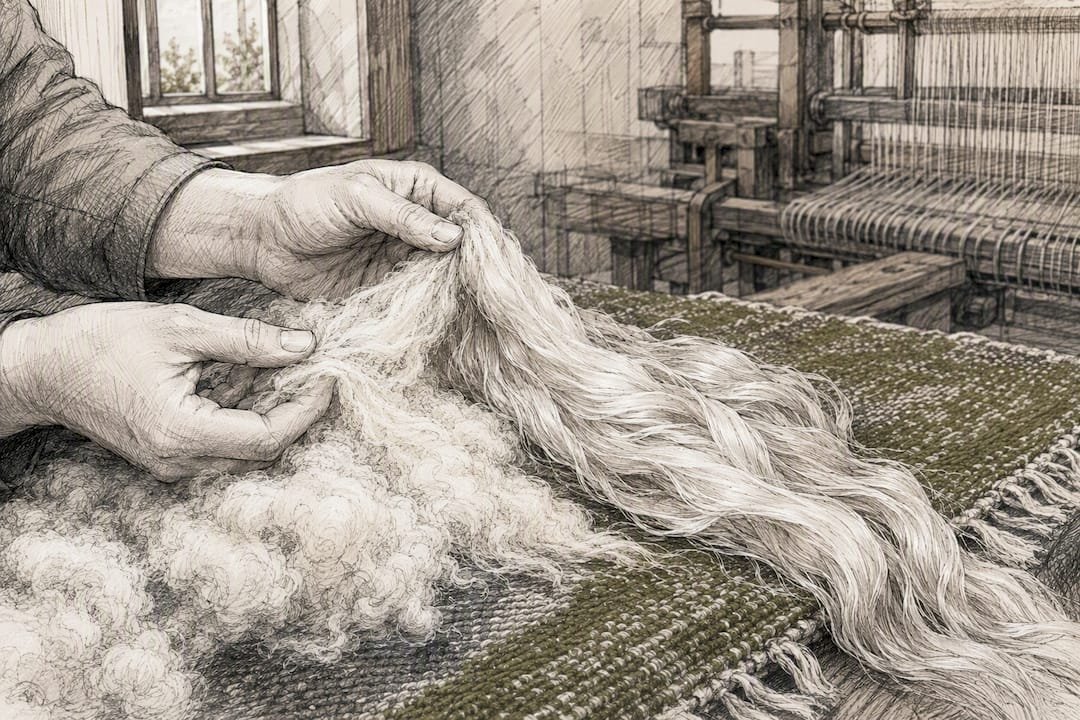
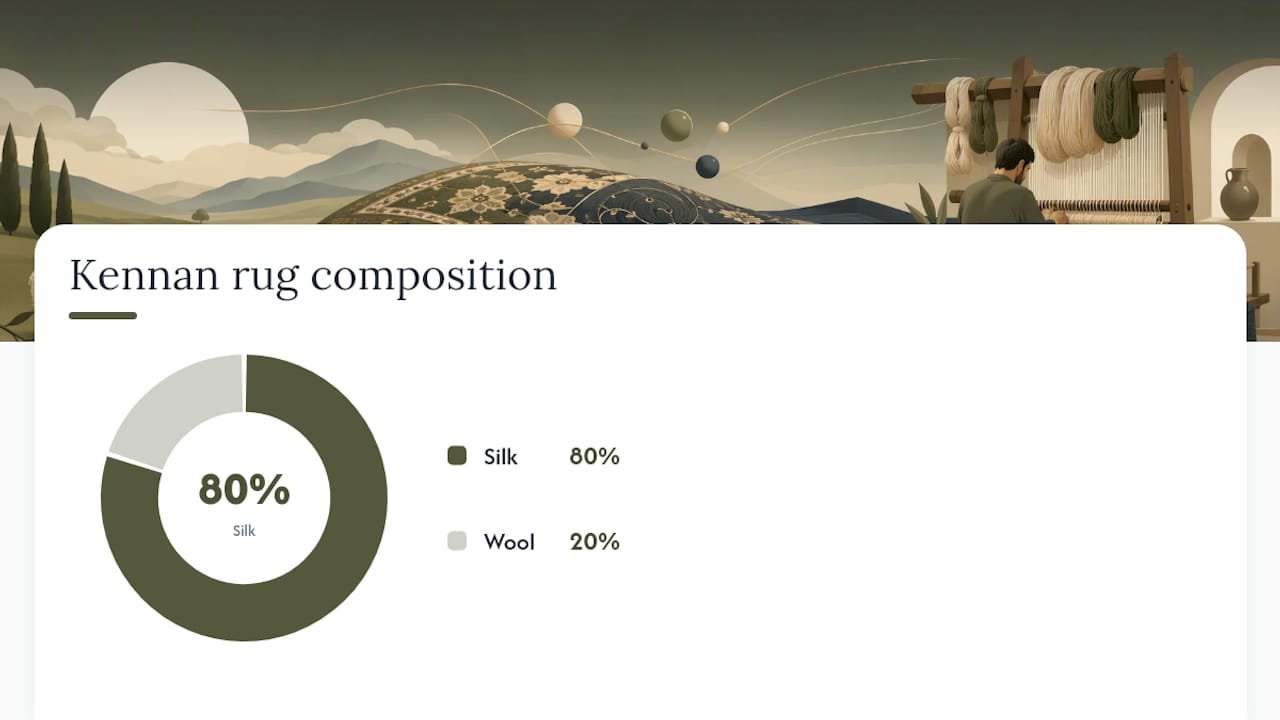
Blend ratios vary widely by maker and intended use. Some rugs use silk sparingly, just enough to highlight a border or a floral motif against a wool field. Others push silk much higher: the Kennan Hand-Knotted Silk Blend Rug is built from 80% silk and 20% wool, a ratio that produces intense shine and fine detail but shifts the piece firmly into decorative, statement-rug territory rather than everyday flooring.
How silk changes what you see and feel:
- Sheen: silk reflects light along the fiber, so the same rug can look lighter or darker depending on your viewing angle. Wool alone has a flatter, more matte look.
- Color vibrancy: dyes take to silk differently than wool, which is why silk-highlighted motifs often look richer or more saturated than the surrounding wool field.
- Hand feel: silk threads are finer and smoother, giving high-silk areas a cooler, slicker touch compared to wool’s warmer, springier feel underfoot.
Construction matters as much as fiber content. Hand-knotted rugs, where each knot is tied individually around the warp threads, take the longest to produce and hold detail and durability better over decades. Tufted rugs use a hand-held gun to punch yarn through a backing, which is faster and cheaper but less durable long term. Machine-made rugs are the most affordable option but rarely use real silk in any meaningful percentage, since the fiber doesn’t behave well on power looms. When a listing says “silk-look” or “art silk,” that’s usually viscose or another synthetic, not genuine silk.
How Durable Are Wool and Silk Rugs, Really?
Wool holds up to daily abrasion far better than silk does. Wool fibers have a natural crimp and a protective outer layer that lets them flex and spring back under repeated pressure, which is why a wool-dominant rug can handle years of foot traffic without matting flat. Silk fibers are smoother and more delicate. They don’t have that same resilience, so a high-silk rug wears faster in the exact spots where feet land most.
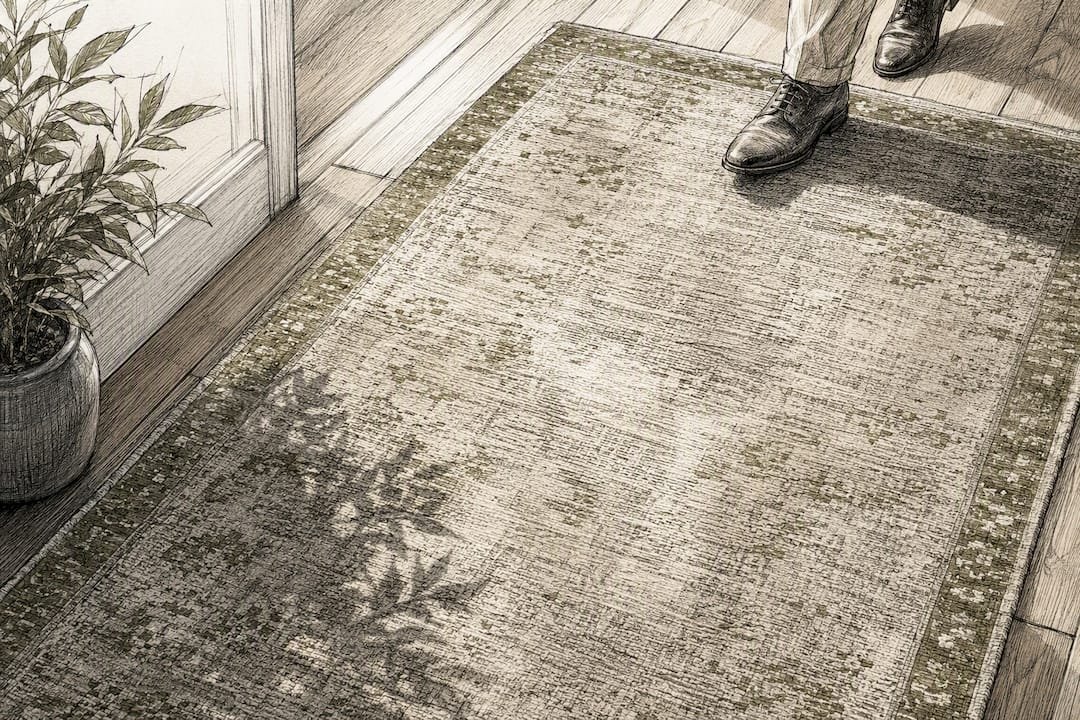
Statistic to keep in mind: the Kennan rug’s 80/20 silk-to-wool split illustrates the trade-off directly, according to Stark’s product specifications. At that ratio, you’re buying luxury appearance in exchange for durability, and the maker’s own care notes flag the fiber’s sensitivity to harsh cleaning as a direct result of that composition.
Knot density and pile height shift the equation further. A tighter knot count per square inch produces a denser pile that resists crushing and holds pattern detail longer, regardless of fiber. A shorter, tighter pile also wears more evenly than a plush, high pile, which tends to show traffic patterns sooner.
Here’s how that plays out room by room:
- Living room with kids or pets: stick to wool-dominant blends (80% or higher) with a tight, low pile. Save silk for a smaller accent rug that stays out of the main path.
- Low-traffic bedroom: a higher silk percentage works well here, since foot traffic is light and mostly barefoot, which is gentler on the fiber than shoes.
- Formal dining room: moderate silk content is fine if chairs are lifted rather than dragged, but expect faster wear directly under the table if silk content runs high.
- Hallway: wool should dominate almost entirely. Hallways see concentrated, repetitive foot traffic that wears out delicate fibers faster than any other room in the house.
How to Choose the Right Wool-and-Silk Rug
Buying a wool-and-silk rug is less about finding “the best one” and more about matching the rug’s construction to the room it’s going in. Work through this checklist in order.
- Pick the room first, then the blend. Rooms with heavy footfall need wool-dominant construction. Formal or low-traffic rooms can support more silk. Check a bedroom rug guide or living room rug picks if you’re unsure which category your space falls into.
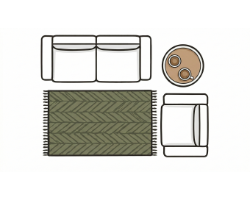
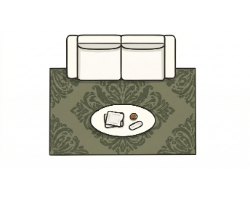
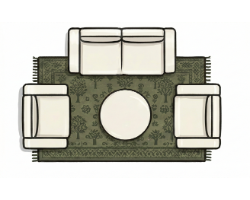
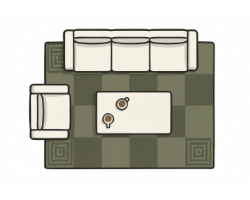
- Settle on a size using your furniture layout, not the room’s square footage. Front legs of major furniture pieces should sit on the rug in most living room arrangements. This guide to size and placement walks through the standard rules.
- Decide pile height based on how the room is used. Low pile suits high-traffic zones and rooms with furniture that gets moved often. Plush pile suits bedrooms and formal spaces where comfort underfoot matters more than wear resistance.
- Match style and color to the room’s existing palette. Silk-highlighted motifs tend to read more dramatic in a room with simple furnishings, since the sheen becomes the focal point rather than competing with other patterns.
- Ask the seller direct questions before you buy. Get the exact fiber percentage in writing, not just “wool and silk blend.” Ask whether the rug is hand-knotted, hand-tufted, or machine-made. Ask about country of origin, recommended cleaning method, and the specific return and exchange window.
Watch for a few red flags on any listing. A vague fiber claim like “luxury blend” with no percentage is a sign the seller either doesn’t know or doesn’t want to say. No stated care instructions is another warning sign, since silk-containing rugs need specific handling that a reputable seller should spell out. And any listing that’s fuzzy on shipping costs or omits a return policy entirely deserves extra scrutiny before you commit to a rug that can run into four figures.
Pro Tip: If you love the look of a high-silk rug but worry about durability, ask whether the seller offers it in a lower-silk version of the same pattern. Many hand-knotted designs come in multiple blend ratios, so you can get the same motif with more wool underfoot.
Cleaning and Caring for Wool and Silk Rugs
Routine care is what separates a wool-and-silk rug that looks good for 20 years from one that looks tired after five. Vacuum weekly using a suction-only setting or a beater bar set to its highest position, since a bar set too low can snag and pull silk fibers. Rotate the rug every six months so foot traffic and sunlight wear it evenly rather than concentrating damage in one spot. A quality rug pad underneath reduces friction against the floor and cuts down on the crushing that shortens pile life.
Spot cleaning silk-containing areas requires more restraint than cleaning a pure wool rug. Blot spills immediately with a dry cloth, working from the outside of the stain inward. Never rub, since rubbing pushes moisture deeper into the pile and can distort silk’s smooth surface permanently. Skip harsh detergents and anything with bleach or ammonia. Rug sellers routinely publish dedicated care guidance for silk-blend rugs precisely because silk needs gentler treatment and a different cleaner selection than wool alone.
Pro Tip: Keep the manufacturer’s care tag or product listing saved somewhere you’ll actually find it. When you eventually call a professional cleaner, telling them the exact fiber content upfront (rather than “I think there’s some silk in it”) gets you a cleaner who knows to skip steam and use dry-cleaning methods instead.
For anything beyond a fresh spill, professional cleaning is worth the cost. Tell the cleaner the rug contains silk before they touch it, and ask specifically whether they recommend dry cleaning over wet extraction. Improper cleaning is also one of the fastest ways to void a manufacturer’s warranty or complicate a return, so keeping care records matters even after the return window closes.
Bullet recap for everyday care:
- Vacuum weekly, suction-only or high beater-bar setting
- Rotate every six months
- Use a rug pad
- Blot, don’t rub, on any spill
- Confirm dry-clean recommendation before hiring a professional cleaner
Where to Buy and What Prices to Expect
Wool-and-silk rugs show up through three main channels, each with trade-offs. Direct e-tailers offer the widest selection and the most transparent pricing, since you can compare fiber percentages and construction details side by side without a showroom visit. Specialist rug shops offer hands-on inspection, which helps if you’ve never felt the difference between hand-knotted and tufted construction in person. Designer labels command the highest prices, often for provenance and name recognition as much as materials.
Price is driven mainly by size, silk percentage, and knot density. A small hand-knotted wool-and-silk rug (roughly 3×5 feet) with modest silk content typically starts in the low hundreds of dollars, while a large room-sized piece (9×12 feet or bigger) with high silk content and hand-knotted construction can run into the thousands. Antique or designer pieces push higher still.
Before buying from any seller, check for:
- A stated fiber percentage, not a vague “silk blend” label
- Clear construction method (hand-knotted, tufted, or machine-made)
- Shipping costs and delivery estimates
- A defined return window
- Some form of authenticity or sourcing statement
Rugsonlinemarket’s natural rugs collection lists these details on each product page, which is exactly what you want to see before spending on a wool-and-silk piece.
Why Shop Wool-and-Silk Rugs at Rugsonlinemarket
Rugsonlinemarket stocks a range of natural-material rugs, including wool-and-silk blends, alongside cotton, wool-only, and other options, so you can compare fiber types on the same site rather than hopping between retailers.
- Free shipping on orders over $300, which matters given how much a large hand-knotted rug can weigh to ship
- Hassle-free returns within 30 days, useful for a rug that looks different in your room than it did on screen
- A 100% feedback guarantee backing every purchase
Product pages include the material details and care guidance you need to make an informed choice before checkout, not after you’ve already unrolled the rug on your floor.
How Long Does Shipping Take for These Rugs?
Delivery timelines for wool-and-silk rugs depend heavily on whether the piece is in stock or made to order. In-stock rugs from most direct e-tailers typically ship within a few business days and arrive within one to two weeks domestically. Custom or made-to-order hand-knotted pieces are a different story entirely: because each one is knotted by hand, production alone can take several weeks to a few months before the rug even ships.
Large area rugs also take longer to process than smaller accent pieces simply because of their weight and the freight logistics involved in shipping something that size. A 9×12 rug typically ships via freight carrier rather than standard parcel service, which adds a delivery appointment step that smaller rugs skip entirely.
If you’re working toward a deadline, whether that’s a move-in date or a holiday gathering, ask the seller directly whether the specific rug you want is in stock or made to order before you check out. A listing that doesn’t specify this upfront is worth a quick message to customer service. Building in a buffer of at least two to three weeks beyond the stated delivery estimate is a reasonable habit when you’re ordering a hand-knotted piece, since craftsmanship and freight shipping both carry more variability than a standard parcel delivery.
What Does a Wool-and-Silk Rug Actually Cost You?
The sticker price on a rug listing is rarely the full number you’ll pay. Shipping costs for large area rugs can add a meaningful amount to your total, particularly for freight-shipped pieces that require a delivery appointment rather than a simple doorstep drop.
Sales tax applies based on your state and, in some cases, your local jurisdiction, the same as any other retail purchase within the United States. If you’re ordering from an international seller or importing a hand-knotted rug sourced overseas, import duties can apply depending on the rug’s country of origin and declared value, so it’s worth asking the seller directly whether their listed price already accounts for duties or whether that cost lands on you separately at delivery.
Domestic purchases from U.S.-based online retailers typically simplify this considerably, since the seller handles any import steps before the rug ever reaches their warehouse. That’s one practical advantage of buying from an established online shop over sourcing directly from an overseas maker: the total at checkout is closer to the total you actually pay. Before finalizing any purchase, add up the listed price, shipping charge, and applicable sales tax to get your real number, and confirm in writing whether that figure is final or subject to additional fees at delivery.
What to Know About Warranties and Returns
Return policies vary more than shoppers expect, and for a purchase in the hundreds or thousands of dollars, that variation matters. Some sellers offer no returns at all on custom or made-to-order rugs, since a hand-knotted piece produced to your specifications can’t easily be resold. Others offer a defined window, commonly somewhere between 14 and 30 days, for in-stock pieces.
Rugsonlinemarket offers hassle-free returns within a 30-day window, which gives you time to actually live with the rug in your space and see how it reads in your room’s lighting before deciding whether it stays. That matters more with wool-and-silk rugs than with plain wool ones, since silk’s sheen genuinely does look different under different light sources, something a product photo can’t fully capture.
Customer service responsiveness is worth testing before you buy, not after something goes wrong. Send a question about fiber content or construction before checkout and see how quickly and specifically the seller answers. A vague or slow response to a pre-sale question is a reasonable predictor of how a return or complaint will be handled later. Warranty coverage on hand-knotted rugs typically addresses manufacturing defects, like unraveling knots or dye issues, rather than normal wear, so read the specific terms rather than assuming broad coverage.
Certifications and Authenticity to Look For
Wool-and-silk rugs don’t carry a single universal certification the way some other product categories do, which makes seller transparency the main substitute for a formal stamp. The most useful indicators are practical rather than official: a stated fiber percentage in writing, a clear construction method, and a country-of-origin disclosure.
Reputable sellers and specialty retailers routinely highlight hand-knotted or hand-loomed construction explicitly on product pages, along with material sourcing details, precisely because that craftsmanship claim is central to justifying a higher price point. If a seller won’t confirm whether “hand-knotted” actually means hand-knotted versus hand-tufted, treat that as a gap worth pressing on before you buy, since the two construction methods carry very different price and durability profiles despite sometimes looking similar in photos.
For ethical sourcing concerns specifically, ask where the wool and silk were sourced and whether the maker discloses labor practices at the production facility. A seller that can answer these questions specifically, rather than with a generic “ethically sourced” claim, is generally more trustworthy than one that can’t.
How Do Wool-and-Silk Rug Makers Compare?
The wool-and-silk category spans a wide range of makers, from designer labels producing museum-quality pieces to production houses turning out consistent, mid-range blends at scale. Designer and heritage labels, the kind you’ll find through specialty retailers, tend to emphasize provenance, hand-knotting credentials, and limited production runs, which is reflected directly in price. A single designer piece can run into the thousands, with much of that cost tied to reputation and craftsmanship documentation as much as raw materials.
Mid-range specialists and established online retailers occupy the middle ground, offering hand-knotted or hand-tufted construction at more accessible prices, typically because production runs are larger and distribution is more direct. This is where most home shoppers land, since the durability and appearance gap between a mid-range hand-knotted rug and a top-tier designer piece is often smaller than the price gap suggests.
Rather than chasing a specific brand name, focus on what any given maker actually discloses: fiber percentage, construction method, and country of origin. A lesser-known maker that’s transparent on all three is a safer bet than a recognizable name that’s vague on specifics.
An Editor’s Take on Buying Wool-and-Silk Rugs
They don’t. The real decision isn’t “wool or silk,” it’s how much silk your room’s traffic pattern can actually tolerate, and most shoppers get that backward by falling for the sheen in a product photo before checking the fiber percentage.
The conventional advice to “just ask about knot count” also undersells how much construction type matters versus knot density alone. A hand-tufted rug with a high knot count is still less durable than a hand-knotted rug with a moderate one, because the knotting method itself determines how the pile holds together over years, not just how tightly packed it is.
If you take one thing from this guide, prioritize seller transparency over brand name. A seller who states fiber percentage, construction method, and country of origin plainly, and who backs that with a real return window, is a safer bet than a recognizable label that leaves those details vague.
— Kian
Ready to Shop Wool-and-Silk Rugs?
Rugsonlinemarket gives you what the buying checklist above actually asks for: stated fiber percentages, construction details, and care guidance on every wool-and-silk listing, instead of a vague “luxury blend” label you have to chase down through customer service.

That transparency pairs with real shopping conveniences that make a higher-ticket purchase less risky. Browse the natural rugs collection to compare wool-and-silk options by size, blend, and price, and check the fiber percentage and care notes on each listing before you check out.
FAQ
Are Wool and Silk Rugs Durable?
Wool-dominant blends hold up well to years of regular foot traffic, but durability drops as silk content rises, since silk fibers wear faster under repeated abrasion than wool does.
Where Can I Buy Silk and Wool Rugs?
You can buy them through direct e-tailers, specialist rug shops, and designer labels; Rugsonlinemarket offers wool-and-silk options with stated fiber percentages, free shipping over $300, and 30-day returns.
Is a Silk-Wool Blend Good?
A silk-wool blend is a strong choice for formal or low-traffic rooms where you want sheen and color depth, but it’s not ideal for heavy-traffic spaces since silk wears faster than wool.
What’s the Difference Between a Wool Rug and a Wool-and-Silk Rug?
A pure wool rug offers a flatter, more matte look with strong durability across nearly any room. A wool-and-silk rug adds silk highlights or blended pile for extra sheen and color vibrancy, at the cost of some wear resistance.
How Much Silk Should a Wool Blend Contain?
It depends on the room.
