

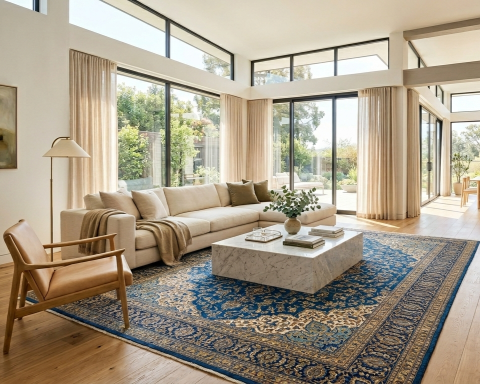
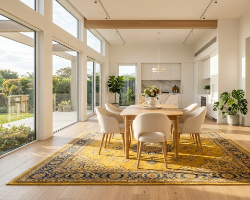
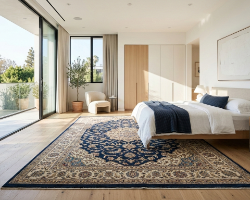
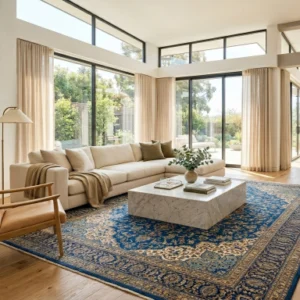
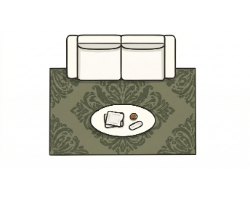
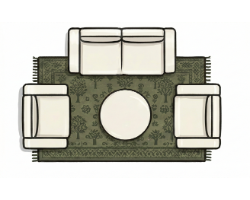
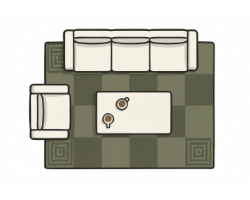
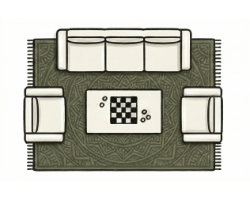



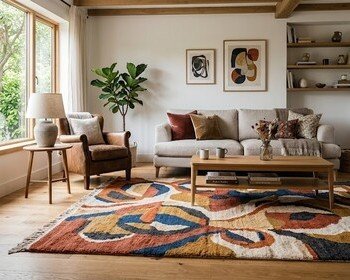
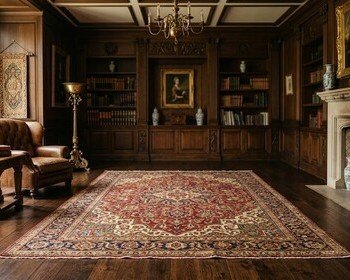
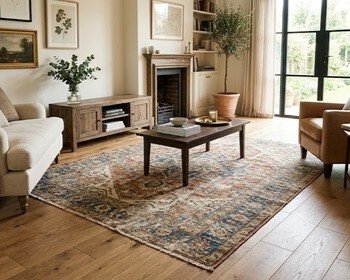
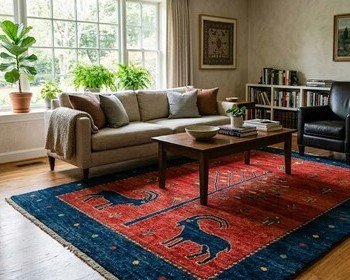
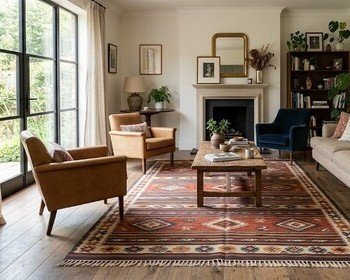
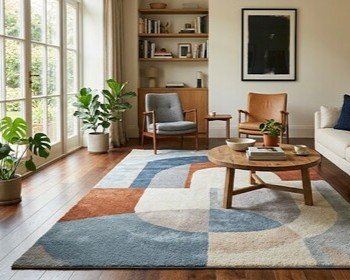
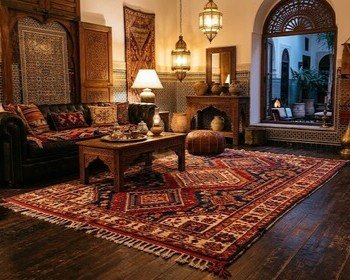
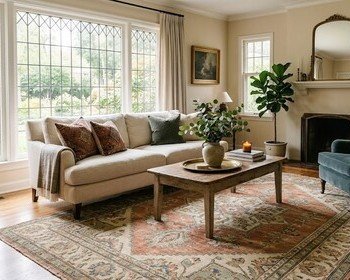
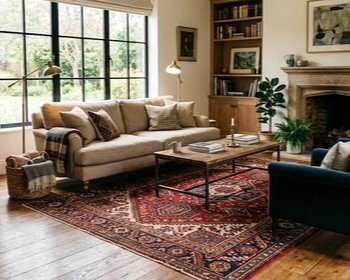
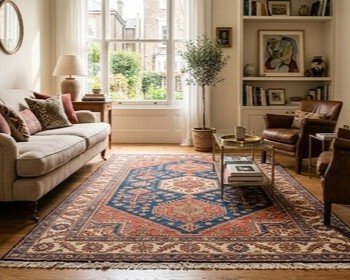
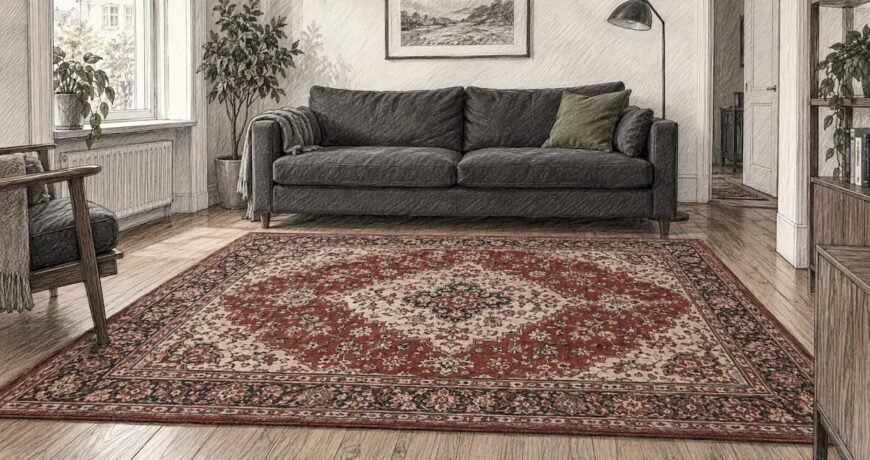
Yes, a Persian rug can anchor and elevate a modern living room when you choose the right size, placement, and palette. Three approaches work especially well: bold anchor-and-contrast, layered eclectic, and muted medallion as a neutral base. For sizing, keep the front legs of your main seating on the rug and leave 12 to 24 inches of floor exposed around the edges.
TL;DR:
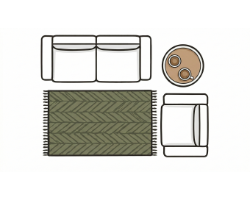
- Keep the main seating’s front legs on the rug, leave 12 to 24 inches of floor around it, and tape the footprint before buying.
- Use a bold medallion with plain furniture, or choose faded colors when another focal point leads; repeat one or two rug colors elsewhere.
- Wool suits busy living areas because it resists wear; reserve silk for accents or low traffic areas, and choose lower pile near seating and walkways.
- Use a rug pad to prevent slipping and protect floors, and schedule professional cleaning for wool rugs every 12 to 18 months.
Table of Contents
- Styling approaches: three practical ways to use a Persian rug in modern rooms
- Size and placement rules that make a Persian rug feel intentional in a living room
- Color, pattern, and scale: pairing Persian motifs with modern furniture and palettes
- Materials, pile, and maintenance: pick the right Persian-style rug for a modern living room
- Layering and texture: how to combine a Persian rug with other floor coverings and furniture finishes
- Author perspective and quick how-to checklist
- Choosing the right Persian rug design to complement different modern room themes
- Incorporating Persian rugs in various modern room types beyond living rooms
- Tips for mixing Persian rugs with other modern decor elements
- Using Persian rugs as statement pieces or subtle accents in modern interiors
- Advice on selecting rug shapes (rectangular, round, runner) suitable for modern spaces
- Designer’s quick take: why traditional rugs work in modern homes today
- How Rugs Online Market helps you achieve the look
- FAQ
- Sources
Styling approaches: three practical ways to use a Persian rug in modern rooms
Each approach solves a different design problem, and picking the right one depends on how bold you want the room to feel.
Anchor and contrast works when your furniture is clean-lined and low on pattern. Place a rug with a strong central medallion under a neutral sofa and let the rug carry all the visual weight in the room. A charcoal sectional with a deep red and ivory medallion rug underneath reads as curated rather than busy, because nothing else competes for attention.
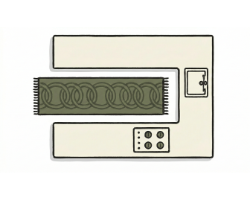
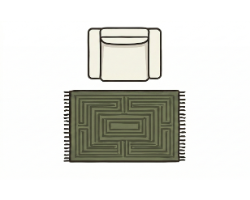
Layered eclectic builds a collected look by stacking textures. Lay a smaller Persian rug or a Persian runner over a flatwoven jute or wool rug so the edges of the base rug peek out. This works in a living room with a reading nook, where the runner defines the chair’s footprint inside the larger room.
Muted medallion as neutral treats a faded or distressed-colorway Persian rug almost like a solid. A warm, washed-out rust and cream rug under minimalist Scandinavian furniture softens the room without introducing new colors to coordinate.
- Anchor and contrast: bold medallion, plain furniture, rug as the room’s focal point.
- Layered eclectic: Persian rug or runner over a flatweave, furniture arranged to show both layers.
- Muted medallion: faded palette under minimalist pieces, rug reads as texture rather than pattern.
Size and placement rules that make a Persian rug feel intentional in a living room
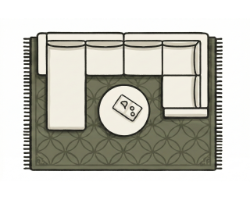
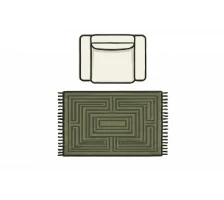
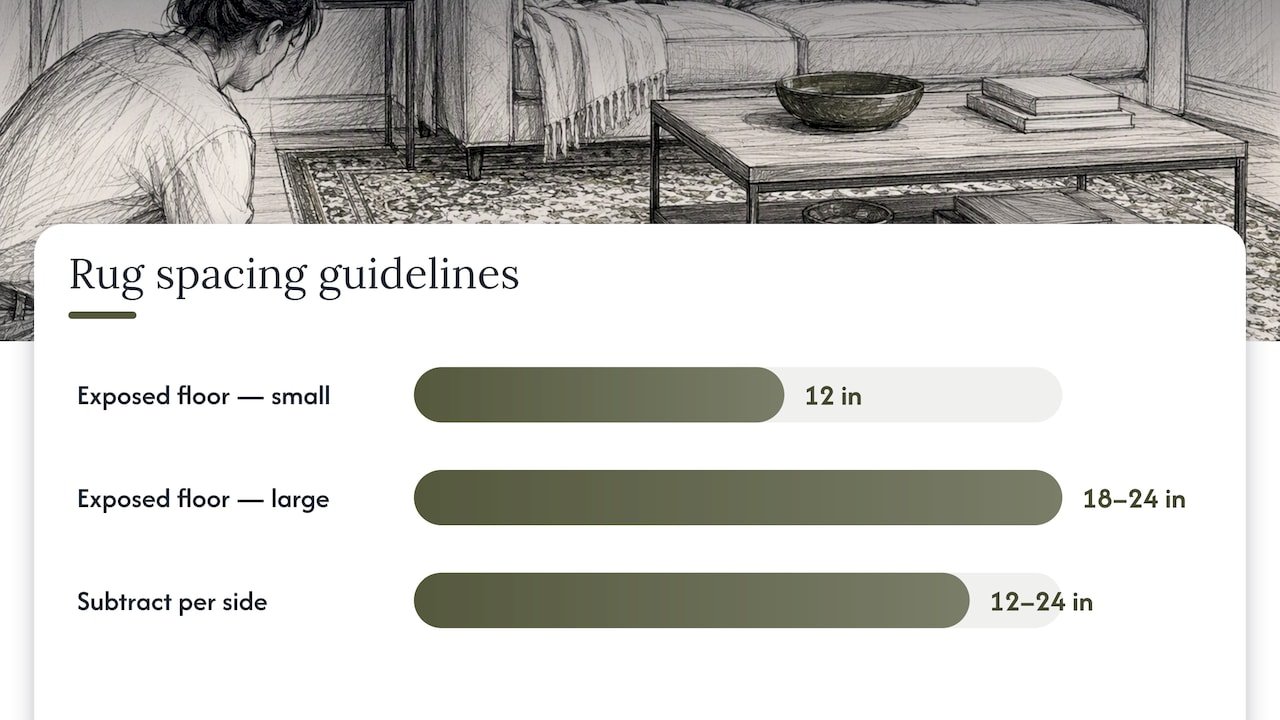
Getting the size wrong is the single fastest way to make a Persian rug look like an afterthought. Design authorities recommend sizing a living room rug so at least the front legs of your main seating rest on it, with 18 to 24 inches of exposed floor around the perimeter in larger rooms and closer to 12 inches in smaller ones.
- Measure the full seating area, including coffee tables and side chairs, before shopping.
- Subtract 12 to 24 inches from each side to find your target rug dimensions.
- Tape out the rug’s footprint on the floor with painter’s tape or kraft paper.
- Walk the space for a few days to check that circulation paths still feel open.
- Adjust up a size if the taped outline looks tight against furniture legs.
A 9×12 rug suits most living rooms meant to anchor a full seating group, while an 8×10 fits smaller rooms or secondary sitting areas. In floating layouts, where the sofa sits away from the wall, center the rug under the entire grouping so it reads as one zone. In sofa-against-wall layouts, the rug can extend slightly beyond the front edge of the sofa cushions. Either way, keep the coffee table centered on the rug rather than pushed to one edge.
Pro Tip: Tape out your rug size before ordering, since a rug that looks right in a photo can feel cramped once furniture legs land on the edges instead of a few inches inside them.
For a deeper walkthrough, our guide to sizing and placement covers room-by-room measurements, and our tape-out comparison between 5×7 and 8×10 rugs shows how a few inches changes the feel of a room.
Color, pattern, and scale: pairing Persian motifs with modern furniture and palettes
A Persian rug works best as the room’s color anchor rather than one more pattern competing for attention. Pull one or two colors from the rug, often a deep red, indigo, or mustard, and repeat them in a throw pillow, a piece of art, or a lamp shade so the rug feels tied to the rest of the room instead of dropped into it.
Scale matters as much as color. A large medallion suits a large furniture grouping and an open room, while a tighter, more intricate all-over pattern reads better in a smaller room or as part of a layered look where it shares space with another rug or runner.
- Pull an accent color from the rug and repeat it twice elsewhere in the room.
- Match large medallions to large seating groups, and fine patterns to smaller rooms or layered setups.
- Keep one major surface quiet, solid upholstery or plain walls, so the rug has room to stand out.
- Avoid pairing a heavily patterned rug with heavily patterned curtains or an equally busy accent wall.
For more on building a palette around a statement rug, this color scheme guide breaks down pairing strategies for different light conditions and wall colors.
Materials, pile, and maintenance: pick the right Persian-style rug for a modern living room
Fiber choice affects both how the rug looks and how long it lasts under daily traffic. Design experts generally recommend wool for its durability, natural texture, and resistance to wear, which makes it the practical choice for a living room rug that gets walked on daily. Silk works well as an accent, either in a small decorative rug or as highlights woven into a wool piece, but it wears faster underfoot and suits low-traffic spots better than a main walkway.
Pile height should match how the space gets used. A lower, denser pile holds up under furniture legs and foot traffic near seating, while a higher pile feels better in a lounge corner that sees less wear. A rug pad underneath protects hardwood or tile floors and keeps the rug from shifting, which matters on the smooth floors common in modern interiors.
- Choose wool for main living room rugs; reserve silk for accents or low-traffic areas.
- Match pile height to traffic: lower pile near seating and walkways, higher pile in lounge corners.
- Use a rug pad to stop slipping and protect both the rug and the floor underneath.
Pro Tip: Vacuum a wool Persian rug weekly on a low suction setting, blot spills immediately with a clean cloth rather than rubbing, and schedule professional cleaning every 12 to 18 months to keep natural fibers from matting.
Layering and texture: how to combine a Persian rug with other floor coverings and furniture finishes
Layering solves two problems at once: it softens hard floors and it defines zones in an open floor plan. On polished concrete or wide-plank wood, a Persian rug placed over a plain jute or sisal base rug adds warmth without covering the entire floor in pattern.
For texture, pair a high-pile Persian rug with a low-pile modern rug underneath, or mix a flatweave kilim with a slightly distressed Persian piece for contrast between crisp and worn textures.
Modern concrete-floor living room: lay a neutral 8×10 flatweave as the base, center a 5×8 Persian medallion rug on top at a slight angle, and keep furniture legs on the base layer only.
Midcentury wood-floor living room: use a round jute rug under a low console table, then place a runner-sized Persian rug perpendicular to it to connect the reading nook to the main seating area.
- Layer over hard floors to add warmth and reduce the bare, echoing feel of concrete or polished wood.
- Combine high-pile Persian rugs with low-pile bases to avoid a lumpy, uneven look underfoot.
- Angle the top rug slightly off the base rug’s lines to make the layering look intentional, not accidental.
Author perspective and quick how-to checklist
Persian rugs have been reworked into modern interiors for long enough that the rules for doing it well are fairly settled, which is the focus of this guide. At Rugs Online Market, we carry a wide range of rug styles, including traditional Persian designs alongside modern minimalistic options, so readers can compare looks side by side. Orders over $300 ship free, and returns are accepted within 30 days if a rug does not work once it is on the floor.
- Measure your seating area and subtract 12 to 24 inches per side for your target rug size.
- Tape out that footprint on the floor before you order anything.
- Decide on material and pile based on traffic: wool and lower pile for busy areas.
- Request a sample swatch when one is available to check color under your room’s lighting.
- Add a rug pad to your order to protect floors and keep the rug in place.
Choosing the right Persian rug design to complement different modern room themes
The right Persian rug depends heavily on the modern style it needs to sit inside, since a design that works in one theme can clash in another.
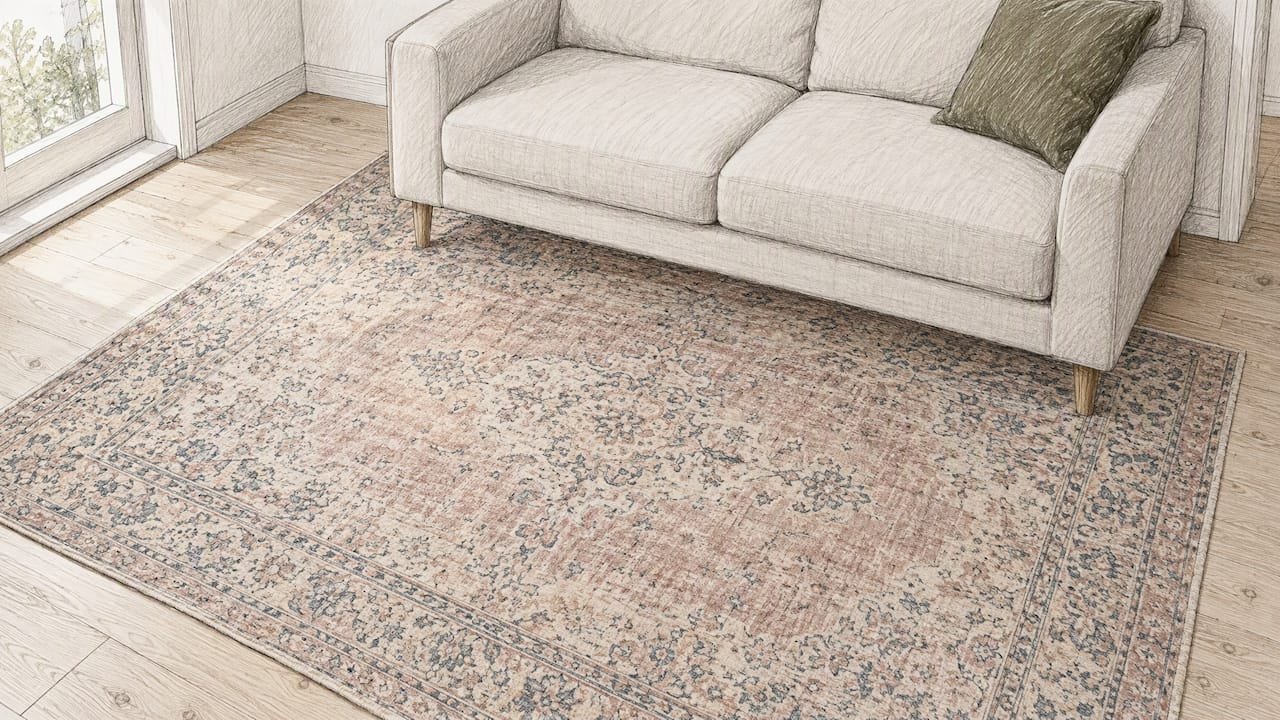
Scandinavian rooms lean on light woods, white walls, and minimal ornamentation, so a faded or low-contrast Persian rug in soft blush, cream, or dusty blue fits without overwhelming the pared-back palette. Avoid saturated jewel tones here, which tend to fight the room’s quiet backdrop.
Industrial rooms feature exposed brick, metal fixtures, and darker palettes, which pair well with a Persian rug in deep reds, indigos, or black grounds. The rug’s intricate pattern softens the room’s hard edges while the darker tones hold their own against raw materials.
Mid-century modern rooms often mix warm wood tones with bold but limited color accents, so a Persian rug with a strong central medallion in mustard, rust, or teal complements the era’s graphic furniture shapes without duplicating them. Keep the rug’s secondary colors close to the room’s existing wood and accent tones so the pairing feels planned rather than coincidental.
In each case, the rug does not need to match the room’s furniture exactly. It needs to share one or two colors or a similar contrast level so the whole space reads as considered.
Incorporating Persian rugs in various modern room types beyond living rooms
Persian rugs work well outside the living room once you adjust size and placement to the room’s function.
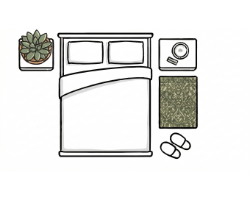
In a bedroom, a Persian rug placed so it extends 18 to 24 inches beyond each side of the bed creates a soft landing underfoot and frames the bed as a focal point, which works especially well on hardwood or tile floors in colder months.
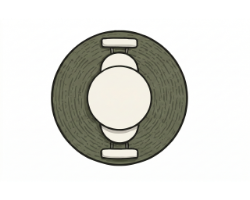
In a dining room, size the rug so it extends at least 24 inches beyond the table’s edge on all sides, allowing chairs to pull out without catching on the rug’s edge. A tightly patterned Persian design here holds up visually under a table and chairs without feeling lost.
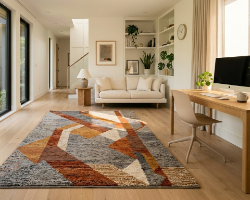
In a home office, a smaller Persian rug under a desk and chair adds warmth to a functional space and works well as a layering piece over a neutral base rug. Choose a lower pile here so an office chair rolls smoothly without catching on fringe or thick pile.
Across all three rooms, the sizing logic from the living room still applies: leave enough rug around the furniture’s footprint that the room doesn’t feel cramped, and let the rug’s pattern and color tie back to whatever palette already exists in curtains, bedding, or wall art.
Tips for mixing Persian rugs with other modern decor elements
A Persian rug rarely stands alone successfully. It works best when a few other elements in the room echo its color or craftsmanship.
For artwork, pull one color from the rug’s palette into a framed piece nearby rather than matching the whole rug. A single abstract print in the rug’s accent red keeps the connection subtle instead of matchy. Original paintings and museum-quality prints, like those found through curated art collections, can pick up an accent tone without competing with the rug’s pattern.
For lighting, warm-toned bulbs and fixtures with some texture, such as woven or metal shades, complement a Persian rug’s handmade character better than stark white light or glossy chrome. Floor lamps and table lamps with decorative, textured finishes tend to sit more comfortably next to a Persian rug than minimalist fixtures with no visual weight.
For textiles, keep throw pillows and curtains mostly solid or very subtly patterned, and use them to repeat one or two rug colors rather than introducing new ones. A room with a patterned rug, patterned curtains, and patterned pillows reads as cluttered no matter how nice each piece is on its own.
Using Persian rugs as statement pieces or subtle accents in modern interiors
Whether a Persian rug reads as a statement or a background detail comes down to color saturation and the furniture around it.
As a statement piece, a rug with a bold medallion in saturated colors becomes the room’s focal point when placed under simple, solid-colored furniture. This works especially well in a room with otherwise minimal decor, where the rug effectively replaces art or an accent wall as the main source of visual interest.
As a subtle accent, a faded or distressed-colorway Persian rug recedes into the background, adding texture and history to the room without demanding attention. This fits rooms that already have a strong focal point, like a large piece of art or a statement light fixture, where a loud rug would compete rather than complement.
Neither approach is more correct than the other. A statement rug suits a reader who wants the rug to do most of the design work, while a subtle accent suits someone building a room around another feature and wanting the rug to support it quietly.
Advice on selecting rug shapes (rectangular, round, runner) suitable for modern spaces
Shape should follow room layout and furniture arrangement, not personal preference alone.
Rectangular rugs are the default for most living rooms and dining rooms because they match the rectangular footprint of a typical seating group or dining table. They are also the easiest shape to size using the standard measure-and-subtract method.
Round rugs work well under circular or oval furniture, such as a round dining table or a cluster of accent chairs around a small side table, and they soften the straight lines common in modern furniture layouts. A round Persian rug under a square coffee table can also create intentional visual contrast.
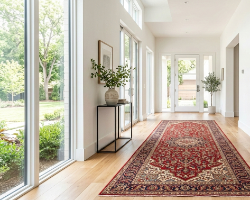
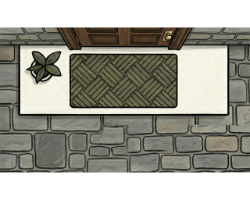
Runners suit hallways, narrow entryways, or layering scenarios, such as placing a Persian runner over a larger flatweave rug to define a reading nook within a bigger room. Our runner rug category includes narrower Persian-style options sized for these spaces.
Choose the shape that mirrors the furniture or architecture it sits near. A room with mostly straight lines and rectangular furniture rarely needs a round rug to feel balanced, while a room with curved furniture or an awkward narrow space often benefits from breaking the rectangular default.
Designer’s quick take: why traditional rugs work in modern homes today
Layered, lived-in interiors have come back into favor, and a Persian rug’s patina fits that shift better than a flawless, factory-perfect rug ever could. Beyond looks, rugs genuinely soften hard floors and cut down on room echo in minimalist spaces. If you want calm, choose faded tones; if you want drama, go jewel-toned.
— Kian
How Rugs Online Market helps you achieve the look
We carry a wide range of rug styles built for exactly this kind of project, from traditional Persian patterns to modern minimalistic designs, so you can compare looks in one place instead of hunting across multiple sites. Shipping and return policies are detailed on our site.
- Measure your space and tape out the footprint before choosing a size.
- Browse our Traditional Rugs category for medallion and floral patterns suited to anchor-and-contrast styling.
- Check Handmade Rugs for hand-knotted wool and silk options built for daily use.
- Add a rug pad to your order to protect floors and keep the rug in place.
FAQ
What patterns go with Persian rugs?
Solid or very subtly textured furniture and textiles pair best with a Persian rug, since the rug’s floral motifs and central medallion already carry plenty of visual detail. Repeating one or two of the rug’s colors in plain upholstery, curtains, or art ties the room together without adding competing patterns.
Should a rug be lighter or darker than a couch?
Either works, but the choice should create enough contrast that the rug and sofa read as separate elements rather than blending together. A dark sofa against a lighter, patterned Persian rug tends to make both pieces stand out clearly, while a very close match can make the room feel flat.
What is a Persian rug?
A Persian rug is a hand-knotted carpet from a tradition defined by complex floral motifs, central medallions, and natural materials like wool or silk. Many historic examples use an asymmetrical knotting technique that distinguishes them from later mass-produced reproductions.
How to make a Persian style rug?
Authentic Persian rugs are hand-knotted over months using wool or silk and an asymmetrical knot structure tied to specific regional traditions, a process documented in collections like the Metropolitan Museum’s carpet holdings. For home decor, most buyers choose a ready-made Persian or Persian-style rug rather than attempting to reproduce that knotting process themselves.
Sources
- Rug sizes: How to figure out the best area rug for your space | Architectural Digest
- Persian carpet tradition: design evolution (Asia Archive / Smithsonian context)
- Carpet with a Compartment Design – The Metropolitan Museum of Art
